TikTok is the current app parents love to hate. A mobile app that allows users to create and share short videos, it was the most downloaded app of 2020. TikTok challenges continue to fill the news alongside reports of the big bucks that young TikTok stars are pulling down from endorsement deals — both of which terrify parents.
As the name suggests, a TikTok challenge asks or “challenges” the viewer to take some action and record it for sharing on TikTok. Challenges are found using hashtag searches and typically start from trending TikTok videos based on songs, dance moves, movie quotes, or documenting some activity. A successful challenge inspires a lot of people to make the same type of video. Most are benign; some are dangerous or downright offensive.
You may wonder why making a copy-cat version of another TikTok video — good or bad — is so popular. The app has some distinguishing features that enhance its appeal: a low barrier to entry, artistic control, the illusion of fame, and being part of something new and cool. Joining a trending TikTok challenge means that you don’t even have to think up original content ideas; you can just add your version of the latest dance, lip-sync or prank and ride the trend. These factors make TikTok the ideal app for anyone with spare time and a creative bent who enjoys performing in public, loves to share, is easily amused, and likes a lot of changing stimulus. It’s no wonder that over half the users in the US are under 35. However, for those who crave social validation and lack the critical thinking skills or developmental maturity to judge risk, TikTok and TikTok challenges can be a less positive and sometimes dangerous experience.
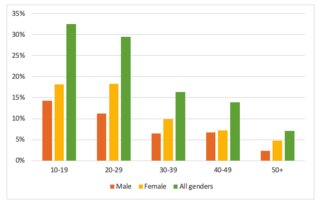
Despite all the warnings about the dreaded “screen time,” the psychological impact of social media isn’t as much a factor of time or how much you use social media as it is what you’re doing on social media — how you use it. Active engagement is crucial, meaning that posting, sharing, commenting, and interacting are more positive than passive observation.
The door’s wide open on TikTok. Pretty much anyone can play. (They say you have to be over 13, but anyone who can add and subtract can get by that.) If you have a smartphone that shoots video — and what smartphone doesn’t? — you can post for free, anytime, and no specific talent is required other than energy, intention, internet access, and possibly some extroversion.
You also have a lot of ways to flex your creativity will all kinds of editing. Adding music, speeding up, slowing down, adding text, color filters, pre-shooting effects, stickers, and custom backgrounds are all on the growing list of options. Energy, intention, and creativity are actually meaningful strengths in the game of life.
TikTok Upsides
TikTok challenges invite active participation and social engagement. Connection is extremely important to overall well-being for everyone. For tweens, teens, and young adults, it is also critical to the developmental task of identity development. As we have seen, social media is a major way to reach out to others, especially during the pandemic’s social isolation.
TikTok challenges can be a powerful way to feel connected. Users actively participate through content creation and sharing; self-image expands as people feel like they are members of something larger and have common experiences to discuss with friends. TikTok is the new water cooler, but unlike office cliques, you don’t have to be special to be popular on TikTok. It normalizes public performance and that, like selfies, anyone can do it.
And finally, some of TikTok is very entertaining. Laughing, smiling, and positive emotions, in general, are a good antidote to the stress and anxiety of COVID.
TikTok Downsides
The structure of TikTok with its scrolling feed, short-form content, and “For You” algorithm is compelling, which is good news for engagement but bad news in that “TikTok culture” emphasizes the importance of getting noticed. Many parents worry that the attention of likes, comments, and shares from strangers will be interpreted and internalized as meaningful social validation and accurate reflections of self-image and value.
Attention, likes, and shares of dangerous challenges that have enough traction to trend increase the risk that someone will get hurt. Popularity tells our primitive brains that something is of value unless we stop and question it. The adolescent brain is vulnerable to these pitfalls of social influence because they don’t have the cognitive maturity to question the challenge or consider the consequences.
The prefrontal cortex is the part of the brain that handles rational thought, the ability to engage in long-range planning and assess risk. It is also not fully developed until our mid-20s. This is why teens tend to be more reactive, impulsive, and act before thinking, particularly when social influence is involved.
Social media caters to basic needs to feel connected and competent. We all want to feel like we’re connected, and long before TikTok, copying others was a way of learning, showing affiliation and loyalty. Belonging is a powerful motivator and “peer acceptance” can amplify appeal with the promise of inclusion. These pressures can short circuit rational thought and leave no room for consideration to the harm or risk a challenge might present. And with social isolation, there are also no groups of friends on hand to call for help if something goes wrong.
TikTok Guidelines
It’s important for parents not to freak out over the latest trends and fads — TikTok or otherwise. Remember that technology is just a tool. Tools can be used well to great benefit and they can be used poorly and dangerously.
Parents have the power to help kids make the right choices by developing the critical thinking necessary to make those distinctions. It starts with building an open and trusting relationship, talking early and often about ever-changing digital behaviors, pressures, and what it means to be a responsible digital citizen, so you know (most of) what your kids do online. The goal is that they feel safe and supported talking with you about it and you are empowering them to make the right kinds of decisions. A solid relationship lets you discuss your worries about every new app that your kids adopt and provide them with some guidelines to keep them thinking critically.
TikTok can be a positive experience, especially during social isolation.
Do:
- Be lighthearted
- Create and enjoy social connection
- Acknowledge the sense of belonging by contributing
- Learn new dance moves, songs, and crafts
- Laugh and enjoy some bragging rights
- Create and collaborate with others to make entertaining content
- Find challenges that are safe and fun — invite the whole family
Remember to:
- Look at the privacy settings and parental controls
- Point out challenges to your kids that focus on body image and can trigger an unhealthy social comparison
- Explain dangers and unnecessary risks
- Avoid parental over-reactions, stalking, monitoring, and blocked that will drive behaviors underground
- Use examples of a tragedy such as a challenge gone wrong as teaching moments to raise awareness and fuel conversations (not lectures)
When in Doubt, Get It in Writing
I’m always in favor of having a technology use contract so that kids and parents have a good understanding of each other’s needs and expectations. See www.cyberwise.org for an excellent example.
References
Mansoor, I. (2021, February 10). TikTok Revenue and Usage Statistics (2021) https://www.businessofapps.com/data/tik-tok-statistics/

 Dr. Pamela Rutledge is available to reporters for comments on the psychological and social impact of media and technology on individuals, society, organizations and brands.
Thanks Pam! I hope all is well with you and yours. I enjoyed this piece since my 15 your old is spending a lot of time on the app.
Thanks Dana – love to hear your experiences!