South Korea’s “dopamine sites” split the emotions of consumption from the financial transactions and show that a lot enjoyment comes from anticipation, not ownership.
Key Points
- Anticipation is a big part of the reward response, even when nothing is purchased or consumed.
- Simulated experiences can satisfy emotional needs without real-world costs.
- Familiar rituals provide comfort, structure, and a sense of control.
- Virtual experiences help when they supplement life, not when they replace it.
Have you ever filled a shopping cart but not checked out? Or looked at homes you have no intention of buying? Or browsed travel sites for a vacation you didn’t book?
If so, you may also have experienced the surge of desire, happiness, or excitement generated by mentally simulating the future purchase. The anticipation often generates a psychological reward equal to, or sometimes greater than, the actual purchase (Shah & Asghar, 2023).
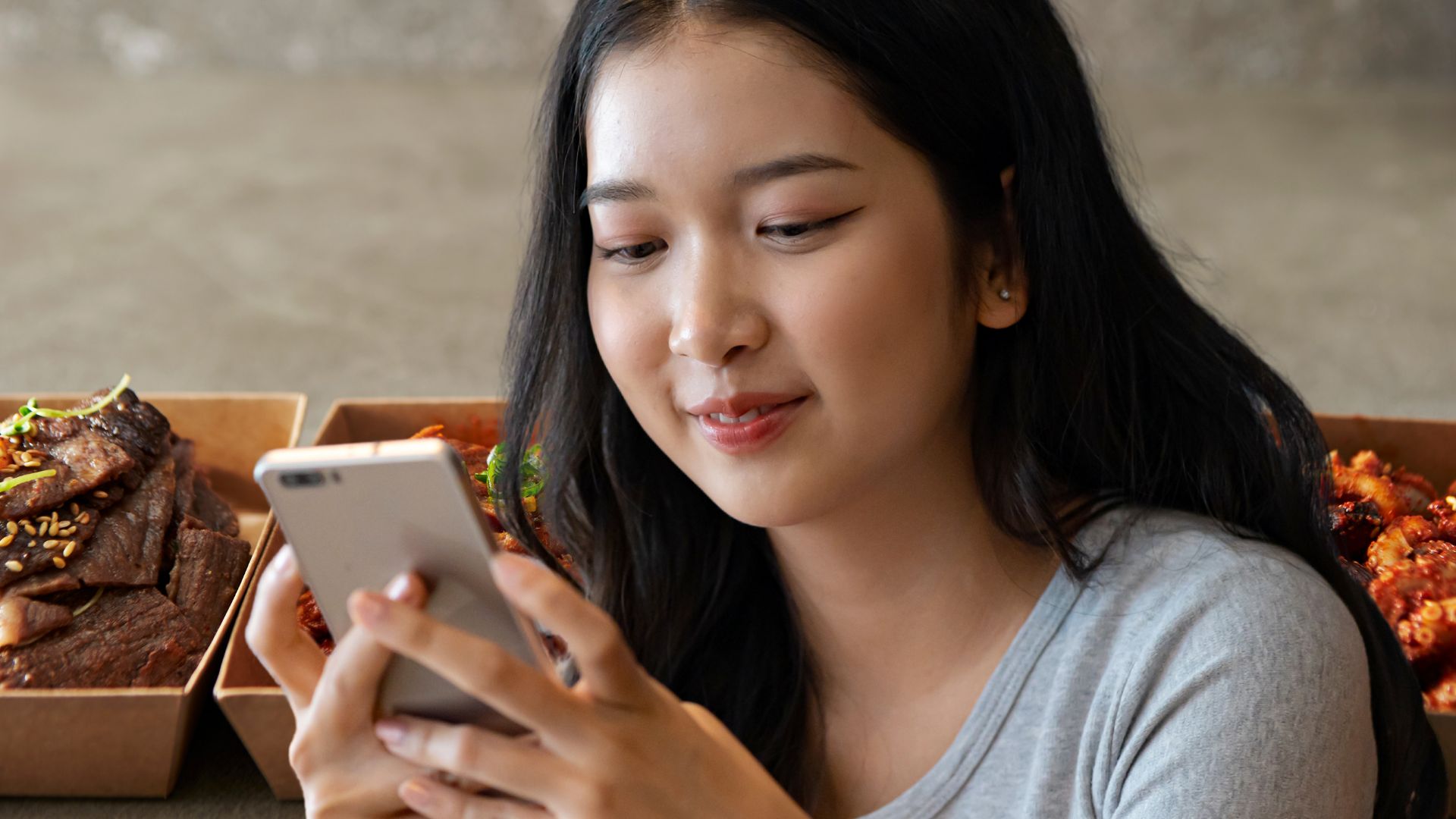
Online “dopamine sites” trending among young people in South Korea have taken this phenomenon to a whole new level by offering fake consumption experiences. These sites capture the pleasure associated with buying without the financial cost, splitting the emotional experience of anticipation from any real-world consequences.
The sites are hyper-realistic, mocking major Korean e-commerce giants and food delivery apps. One popular site, FoodNeverComes, mimics a food delivery app where you can compare menu items, read reviews, pick your favorites, fill your cart, and even watch a virtual courier make progress toward your house on a live map. Some fake shopping sites display a small reward message, such as the calories or cash saved by not placing a real order, further reinforcing the behavior by providing immediate positive feedback for not making the purchase. Other platforms simulate cigarette breaks, allowing users to sit in virtual break rooms with strangers that recreate the ritual of stepping away from work without lighting a cigarette.
The trend has gone viral among young South Koreans facing rising living costs and growing pressure to consume. Instead of spending money, these sites offer a form of digital role-play, capturing the experience of consumption while protecting your bank account. According to the Korean Times, one user finds the fake delivery site helpful for managing late-night cravings, and a college student reported visiting a smoke-break site during exams to be comforting (Hankook ilbo, 2026).
Wanting Feels Good
We often hear dopamine described as the brain’s “pleasure chemical,” but that description overlooks the role of anticipation. Dopamine plays a major role in motivation, learning, and anticipating rewards. Much of the activity in dopaminergic reward systems occurs before a reward is received.
Looking forward to a vacation can feel almost as enjoyable as the trip itself. Anticipating a meal can make us hungry before we take the first bite. The excitement of shopping often peaks before a purchase is completed.
The mind is constantly running simulations of possible futures. We imagine what an experience will feel like, how it might improve our lives, and how we will feel once we get there. Those simulations can generate real emotions even if the event itself never occurs. The experience activates memories, expectations, preferences, and possibilities. Browsing a takeout menu can be enjoyable even without placing an order.
Living in Possible Futures
People have always used symbolic experiences to satisfy emotional needs. We read novels that transport us to far-off places. We watch cooking shows, fully absorbed in the process. We play simulation games, fantasize about future successes, and daydream about possibilities.
All these activities allow us to experience emotions, perspectives, and aspirations without taking direct action in the real world. Imagination helps us plan, solve problems, rehearse future situations, and explore alternatives. The ability to mentally simulate possible futures is one of the cognitive abilities that distinguishes humans from many other species.
The Comfort of Rituals
Ordering food, shopping, and taking cigarette breaks are social rituals. They tap into familiar and enjoyable behaviors that provide structure, anticipation, a sense of control, and temporary relief from stress. Virtual breaks replicate the social and restorative aspects of stepping away from work. Sitting in a simulated break room with anonymous others creates a sense of presence and social connection that, for some users, takes the edge off loneliness, and you don’t have to smoke. In digital environments, neural systems involved in empathy and social cognition can bridge the physical gap. By processing virtual people as real, the brain creates the sense of shared experiences that can support empathy and connection (Dickerson et al., 2017)
Coping Skill or Digital Detour?
Reactions to the popularity of dopamine sites have been mixed. On the positive side, some users report that the sites have helped them reduce compulsive spending and impulse purchases, seeing them as a low-cost substitute that protects both finances and well-being.
Critics, on the other hand, argue that these sites are part of a larger shift in consumer behavior driven by economic pressures and rising prices. Some compare them to the endless scrolling of social media feeds, which may provide temporary stress relief but do not address the underlying sources of stress, loneliness, financial insecurity, or compulsive shopping behaviors.
From novels and films to emojis, media has always allowed people to experience emotions, social connection, and meaning symbolically. Digital platforms just offer more interactive and immersive ways to do it. But can simulated environments provide the emotional benefits of an activity without its costs?
The benefits depend on how the platform is used. A virtual experience can be beneficial as entertainment, stress relief, or imaginative play. It’s also possible that the sites will function as a behavior substitution intervention. Associating the simulated experience with a sense of accomplishment may strengthen the habit of using the platform as a substitute for the real behavior (Patey et al., 2023).
However, if virtual experiences replace meaningful real-world activities, if simulated purchases increase a sense of deprivation, or if they reinforce rather than address compulsive behaviors, then the benefits may come with longer-term costs, just not financial ones.
Whether fake takeout sites catch on in the West remains to be seen. By splitting the emotional experience of anticipation from the financial transaction, the “dopamine site” trend highlights how much of our enjoyment of consumption rests in the emotions associated with imagined futures rather than ownership itself. Have a better understanding of that distinction in our own lives can help us make more intentional choices about how we spend both our time and our money.
References
Dickerson, K., Gerhardstein, P., & Moser, A. (2017). The role of the human mirror neuron system in supporting communication in a digital world. Front Psychol, 8, 698. https://doi.org/10.3389/fpsyg.2017.00698
Hankook ilbo. (2026). Gen Z turn to ‘dopamine sites’ for quick comfort. The Korean Times. https://www.koreatimes.co.kr/lifestyle/trends/20260527/gen-z-turn-to-dopamine-sites-for-quick-comfort
Patey, A. M., Grimshaw, J. M., & Francis, J. J. (2023). The big six: Key principles for effective use of behavior substitution in interventions to de-implement low-value care. JBI Evid Implement, 21(2), 115–119. https://doi.org/10.1097/xeb.0000000000000351
Shah, S. S., & Asghar, Z. (2023). Dynamics of social influence on consumption choices: A social network representation. Heliyon, 9(6), e17146. https://doi.org/10.1016/j.heliyon.2023.e17146

 Dr. Pamela Rutledge is available to reporters for comments on the psychological and social impact of media and technology on individuals, society, organizations and brands.