DR. PAM | MEDIA PSYCHOLOGIST
THE PSYCHOLOGY OF DIGITAL BEHAVIORS
  • Home
  • Blog
  • About
    • About Dr. Pamela Rutledge
    • Media Psychology
      • What Is A Media Psychologist?
      • 8 Reasons Why We Need Media Psychology
      • Careers in Media Psychology
      • Example Careers in Media Psychology
      • Media Psychology at Fielding Graduate University
      • Positive Media Psychology
    • MPRC
      • Media Psychology Research Center
    • Media Psychology Review
  • Consulting
    • Speaking & Consulting
    • Audience Engagement: Why Use Personas?
      • How to Build a Persona
    • Adapting to Change
    • Transmedia Storytelling
      • Storytelling Across Platforms
      • Transmedia Storytelling Starts with the Power of Story
      • Our Transmedia World
      • Transmedia Case Study: The Three Little Pigs
      • Transmedia Storytelling Workshop
  • Story Power
    • Brand Storytelling
    • Storytelling: Brands, Entertainment & Organizations
      • Storytelling for Organizations
      • Core Story: Case Study
  • In the News
    • Press Quotes & Interviews 2022-2025
    • 2021-2019
    • 2018-2016
    • 2016-2017
    • 2015-2013
    • 2012 & EARLIER
    • Video Interviews & Webinars
  • Resources
    • Mindful Media & Digital Literacy
      • Positive Media Psychology
      • Benefits of Video Games Part 1
      • Benefits of Video Games Part 2
      • Benefits of Video Games Part 3
      • Becoming Mindful: Exercises
      • Mindful Media Journal
    • Academic Materials
      • Media Psychology Syllabus 2021
      • Media Psychology Syllabus 2012
      • Media Psychology Syllabus 2015
    • Articles
      • Persuasion & Augmented Reality
      • Psychology of Transmedia Engagement
      • Theories of Attention
      • The Psychology of Color
      • Website Design: How to Use Psych Theory
      • Data Strategy: Listen to Your Consumers’ Stories
      • The Psychology of Story
  • Archives
  • Contact
DR. PAM | MEDIA PSYCHOLOGIST
  • Home
  • Blog
  • About
    • About Dr. Pamela Rutledge
    • Media Psychology
      • What Is A Media Psychologist?
      • 8 Reasons Why We Need Media Psychology
      • Careers in Media Psychology
      • Example Careers in Media Psychology
      • Media Psychology at Fielding Graduate University
      • Positive Media Psychology
    • MPRC
      • Media Psychology Research Center
    • Media Psychology Review
  • Consulting
    • Speaking & Consulting
    • Audience Engagement: Why Use Personas?
      • How to Build a Persona
    • Adapting to Change
    • Transmedia Storytelling
      • Storytelling Across Platforms
      • Transmedia Storytelling Starts with the Power of Story
      • Our Transmedia World
      • Transmedia Case Study: The Three Little Pigs
      • Transmedia Storytelling Workshop
  • Story Power
    • Brand Storytelling
    • Storytelling: Brands, Entertainment & Organizations
      • Storytelling for Organizations
      • Core Story: Case Study
  • In the News
    • Press Quotes & Interviews 2022-2025
    • 2021-2019
    • 2018-2016
    • 2016-2017
    • 2015-2013
    • 2012 & EARLIER
    • Video Interviews & Webinars
  • Resources
    • Mindful Media & Digital Literacy
      • Positive Media Psychology
      • Benefits of Video Games Part 1
      • Benefits of Video Games Part 2
      • Benefits of Video Games Part 3
      • Becoming Mindful: Exercises
      • Mindful Media Journal
    • Academic Materials
      • Media Psychology Syllabus 2021
      • Media Psychology Syllabus 2012
      • Media Psychology Syllabus 2015
    • Articles
      • Persuasion & Augmented Reality
      • Psychology of Transmedia Engagement
      • Theories of Attention
      • The Psychology of Color
      • Website Design: How to Use Psych Theory
      • Data Strategy: Listen to Your Consumers’ Stories
      • The Psychology of Story
  • Archives
  • Contact
May 29
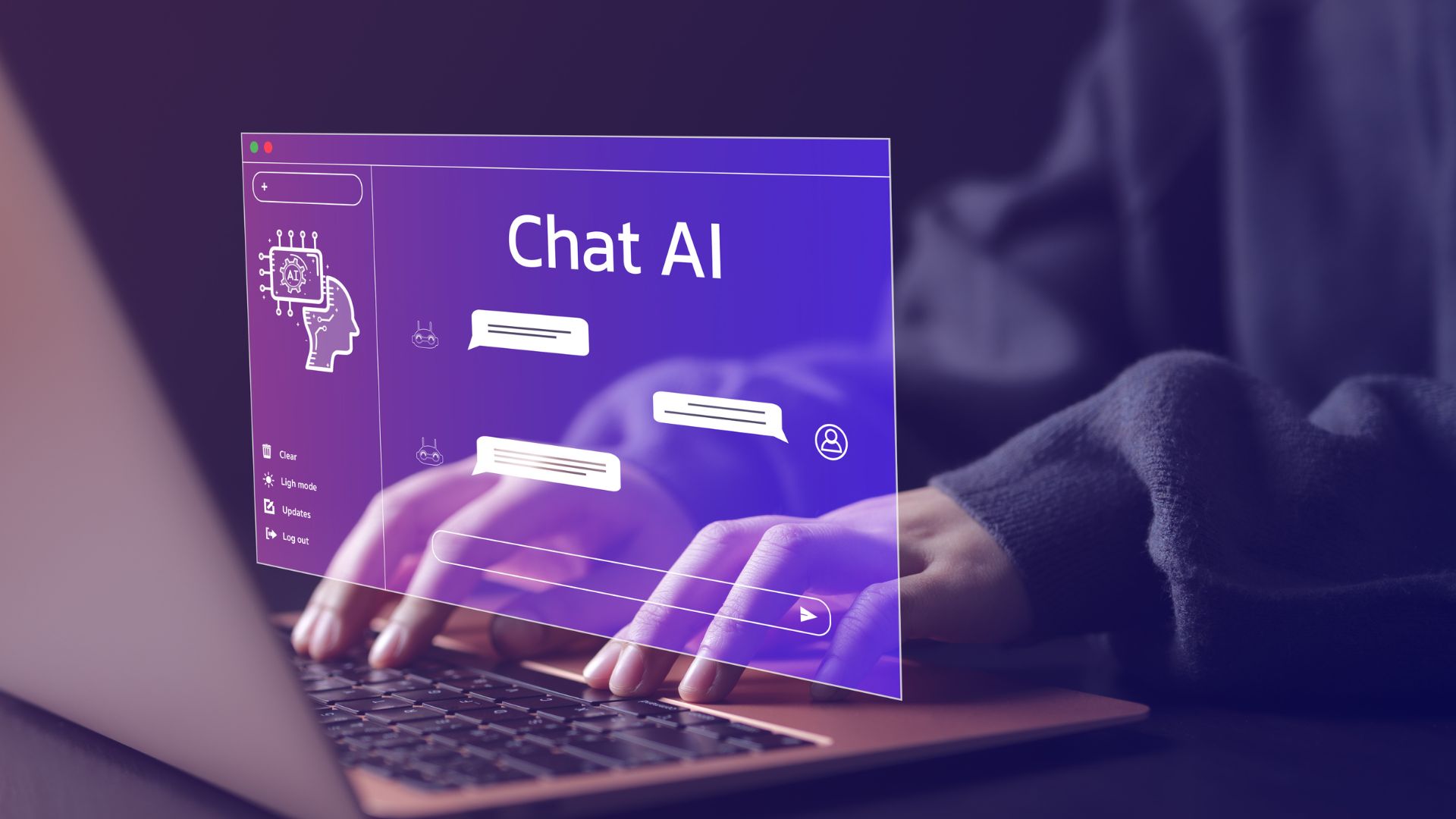
Protecting kids from AI is impossible. Teaching judgment and digital literacy is not. Photo: Supatman/Getty Images

We Didn’t Prepare Kids for Social Media: Will We Do Better with AI?

  • May 29, 2026
  • Pamela Rutledge
  • No Comments

We failed to prepare kids for social media by focusing on restriction instead of education.

Can we do better with AI by giving them the skills they need for a digital world?


Key points

  • AI is changing how young people learn, create, and solve problems.
  • Restriction without education leaves kids unprepared for digital life.
  • Kids need help understanding AI’s strengths and weaknesses, not just avoiding the tools.
  • Digital literacy builds judgment and critical thinking through practice.

We didn’t prepare kids for social media. Instead, we argued about screen time and whether “social media is good or bad.” We treated mobile phones and social media as if they were interchangeable. We got scared and overlooked what our kids really need: the preparation to handle the digital world they are growing up in. The problem is not the tools. We left most kids to figure out this new environment on their own. We gave them access to powerful systems without teaching them how those systems worked, what they rewarded, or how to think critically about what they were seeing and sharing. Now AI is here, and it is developing at a pace that makes social media look slow by comparison. Its implications reach far beyond distraction and social comparison. AI is already reshaping how students search, write, create, solve problems, and even seek companionship. Are we going to make the same mistake again? We will if we ask, “How do we protect kids from AI?” when we should be asking, “What do kids need to understand so they can safely navigate an AI‑saturated world?” Protection without preparation is an illusion. The minute the restrictions disappear, the kids are on their own. Right now, we’re preoccupied with picking up pennies in front of a steamroller. Bans, filters, and one‑off rules feel protective but do little to help kids navigate a world where AI is built into search, schoolwork, jobs, relationships, and everyday decisions. The only real safety comes from digital literacy, critical thinking, and practice, not from pretending we can keep them off the road.

Why the Phone Bans Miss the Point

The recent enthusiasm for cell phone bans is easy to understand. Cell phones are an easy target. The majority of U.S. adults support bans to reduce distractions, improve mental health, and curb cyberbullying. Teachers report calmer classrooms and fewer visible distractions. But the promised academic and mental‑health payoffs have not materialized (Figlio & Özek, 2025; Goodyear et al., 2025). The biggest problem with the cellphone ban debate is that it distracts us from a much more important question: “Are we teaching kids the skills they need to manage digital life for themselves?”

We focused on devices instead of literacy

The social media era should have taught us that access is only part of the story. Kids did not just need restrictions and warnings. They needed understanding about how digital environments influence attention, identity, and social expectations. They needed to learn how to handle bullies, how to evaluate the quality of information, how algorithms curate feeds, how likes and views can affect self‑worth, and how to tell the difference between connection, performance, and manipulation. We can’t do the same with AI.

Why AI Is Different

Protecting kids from AI is impossible. Teaching judgment and digital literacy is not. Photo: Alfred Evelina's Images

AI is not just one more app or device to regulate. It is increasingly part of the digital environment, whether we see it or not. It is in search engines, writing tools, tutoring systems, creative apps, and countless everyday platforms. Many kids already use chatbots for brainstorming, homework help, entertainment, digital art, and companionship. AI brings fundamentally different challenges than social media. AI is conversational. Chatbots adapt to users by analyzing context, tone, and prior interaction. They mirror language styles, personalize responses, and sound socially fluent. That can make AI tools feel helpful, trustworthy, and even emotionally responsive, especially for young users who are still developing judgment and social boundaries. AI also changes how people, kids included, complete tasks, solve problems, and think about knowledge and originality. If a student can generate a decent essay in seconds, then the question is not “How do we stop cheating?” It is: “What do students need to learn in a world where AI can produce acceptable work on demand?”

Protection Without Preparation Fails

Bans are appealing because they are visible, concrete, and easy to explain. They let adults feel like they are doing something. But banning a tool does not teach a child how to evaluate it, question it, or use it wisely. Bans also do not help them practice self‑regulation. If we respond to AI by trying to block or demonize it, we might reduce some use in the short term. The bigger risk is that young people will be left unprepared for a future in which AI is embedded in school, work, media, and daily decision‑making. In practice, we can:
  • Make AI discussable by treating it as something you explore together instead of a secret or a sin.
  • Explain the basics so kids understand how AI learns, how it can sound confident and still be wrong, how it can amplify bias, and how it can mimic social cues.
  • Redesign assignments and expectations so that we assess thinking instead of output.
  • Be concrete about where the line is for ethical use, helping young people develop judgment, not compliance.


Preparing Kids for Their World

Technology is not the enemy. New tools bring both opportunities and vulnerabilities, and young people need guidance for both. Social media expanded connection, creativity, and entertainment. It also amplified misinformation, social comparison, and new avenues for scams and bullying. We did not give kids the skills to navigate either one. We have a chance to do better with AI, but only if we resist the temptation to focus on what is easiest to ban, easiest to blame, or easiest to see. The real goal should be preparing kids for the world they inhabit, not the simpler world we wish they did.

References

Figlio, D. N., & Özek, U. (2025). The impact of cellphone bans in schools on student outcomes: Evidence from Florida. NBER Working Paper, 34388. https://doi.org/10.3386/w34388 Goodyear, V. A., Randhawa, A., Adab, P., Al‑Janabi, H., Fenton, S., Jones, K., Michail, M., Morrison, B., Patterson, P., Quinlan, J., Sitch, A., Twardochleb, R., Wade, M., & Pallan, M. (2025). School phone policies and their association with mental wellbeing, phone use, and social media use (SMART Schools): A cross‑sectional observational study. The Lancet Regional Health – Europe, 51, 101211. https://doi.org/10.1016/j.lanepe.2025.101211
  • Facebook
  • Twitter
  • Reddit
  • LinkedIn
  • E-Mail

About The Author

Pamela Rutledge, PhD, MBA is the Director of the Media Psychology Research Center. A consultant, author, speaker, and professor, she consults on a variety of media projects developing audience engagement and brand storytelling strategies.

Leave a reply

Your email address will not be published. Required fields are marked *

This site uses Akismet to reduce spam. Learn how your comment data is processed.

FOR THE PRESS

Dr. Pam Rutledge, media psychologistDr. Pamela Rutledge is available to reporters for comments on the psychological and social impact of media and technology on individuals, society, organizations and brands.  pamelarutledge@gmail.com

SEARCH THE SITE

RECENT POSTS

  • We Didn’t Prepare Kids for Social Media: Will We Do Better with AI?
  • Do You Want Your Kids Arguing Like a Politician?
  • U.S. Politics Look Like a Bad Marriage
  • We’re Being Played: Propaganda, Memes and War
  • The Legacy of Daytime Talk Shows Lives in Your Feed

MEDIA PSYCHOLOGY RESEARCH

The Media Psychology Research Center (MPRC) is an independent research organization directed by Dr. Pam Rutledge.  Read about MPRC at www.mprcenter.org.

CONSULTING PROJECTS

Dr. Rutledge consults on a variety of media projects using psychology to translate data into human behavior for powerful results.

  • Parenting in a Digital World webinar series
  • Persona Development for audience segmentation
  • Fan and Audience Engagement: Identifying audience narratives to satisfy needs
  • Brand Storytelling: Supercharging brand meaning

RECENT POSTS

  • We Didn’t Prepare Kids for Social Media: Will We Do Better with AI?
  • Do You Want Your Kids Arguing Like a Politician?
  • U.S. Politics Look Like a Bad Marriage
  • We’re Being Played: Propaganda, Memes and War
  • The Legacy of Daytime Talk Shows Lives in Your Feed

SEARCH

Content copyright Pamela Rutledge 2026.