Jan
11
The talk shows never disappeared. Their conflict, confessions, and emotional manipulation became shareable spectacles on social media. Key Takeaways Talk shows turned emotional exposure into entertainment, but what was episodic is now continuous Algorithms replaced studio audiences and reward emotional intensity, not reflection or accuracy. Social media inherited “talk show”...
read more →
Jan
10
Oprah Winfrey’s shift away from sensationalism reframed vulnerability and altered how audiences engaged with emotional storytelling. Key Takeaways Oprah reframed vulnerability as a tool for growth rather than entertainment. Upward comparison can be motivating when examples are relatable and achievable. Redemption narratives support meaning-making and increase hope. Trust-based parasocial bonds...
read more →
Jan
10
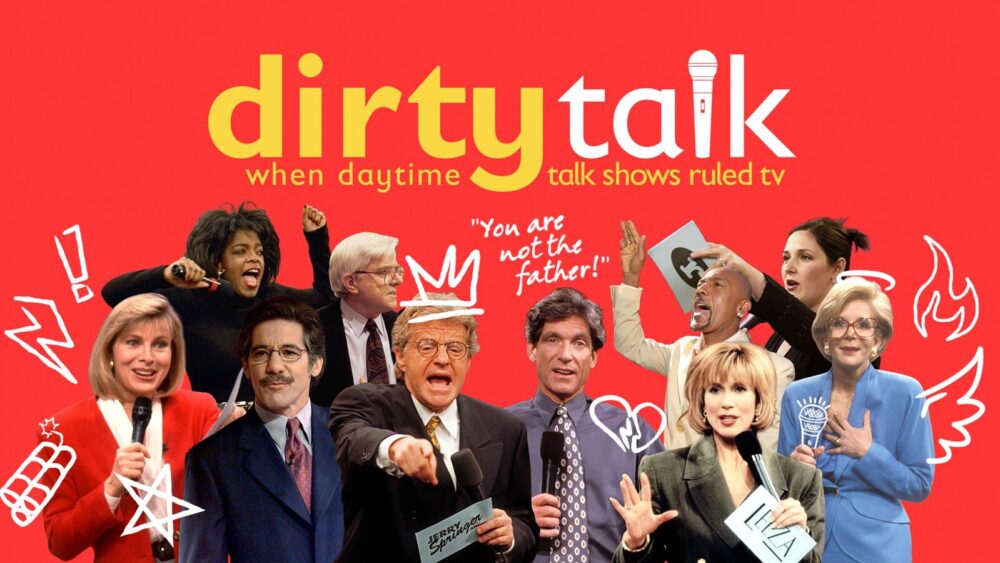
The psychology behind the rise of 1990s daytime talk shows. Back in July 2025, I had the privilege of talking with Steve Morrison, the director and executive producer of a docuseries on daytime television, about the psychology behind the appeal and evolution of shows like Jerry Spring and Sally Jessy...
read more →
Nov
13
The latest parenting trend on social media says let kids experience the consequences of their actions rather than intervening. Sounds good. Does it work? Key Points FAFO parenting emphasizes natural consequences but requires age-appropriate judgment and emotional support. Social media turns parenting into identity markers and morality, amplifying comparison and...
read more →
Nov
03
Meta will begin using AI chat as data for ad targeting and content personalization across the Meta ecosystem. Here's what we can do. Recently, I got an email from Meta Privacy saying that they’ll start using my interactions with Meta’s AI tools to “personalize” my experience by suggesting content I...
read more →
« Previous Page — Next Page »




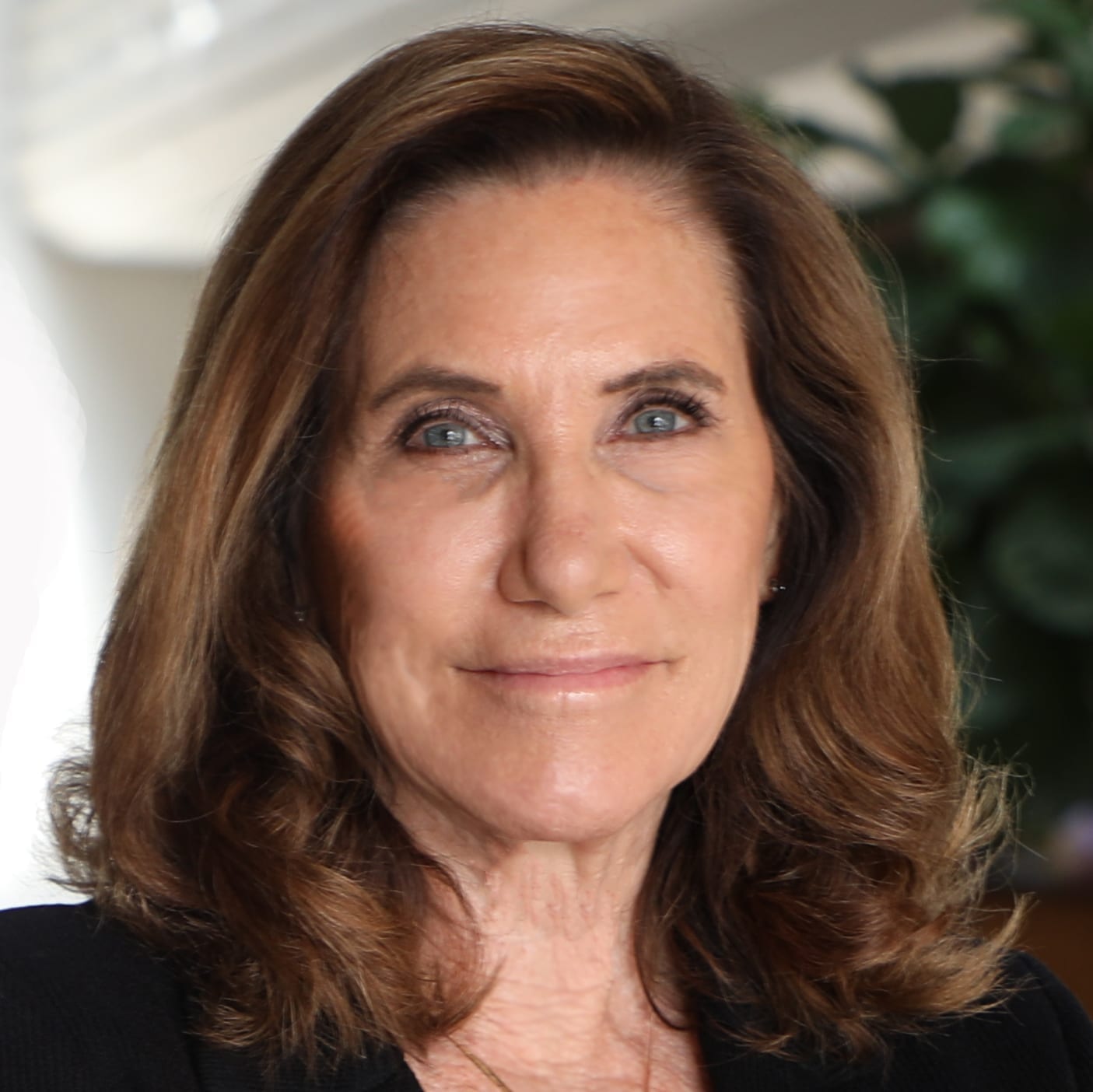 Dr. Pamela Rutledge is available to reporters for comments on the psychological and social impact of media and technology on individuals, society, organizations and brands.