Jul
18
Location sharing can enhance connection and feelings of safety, but raises questions about privacy, personal boundaries, and what it means to be constantly visible. Key Points Location sharing has become a sign of closeness and belonging among young people. Tracking friends creates an ambient awareness that delivers feelings of connection,...
read more →
Jun
27
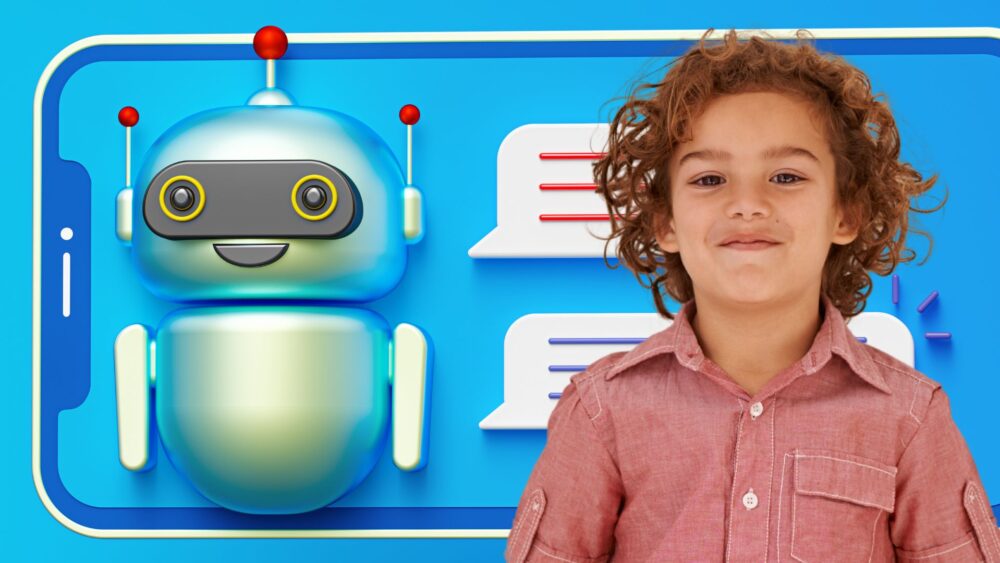
Here's how to talk to your child about AI, starting in preschool. A free downloadable Parent Guide with tips and conversation starters is included. Chatbots are computer programs that use AI to tell stories, offer advice, provide information, or chat with you using text, voice, or video. Popular tools include...
read more →
Jun
27
Kids are forming emotional bonds with chatbots. With digital literacy and parental guidance, kids can use chatbots to support learning and creativity. Key Points Kids treat bots like people—even knowing better—because emotions drive connection. Age shapes how kids understand, trust, and confide in chatbots. Curious, open conversations help kids build...
read more →
May
14
True crime media isn’t just a guilty pleasure—it can fulfill deep emotional and cognitive needs, especially for women. Key Points True crime media fulfills psychological needs like safety, mastery, and emotional regulation. Women may be especially drawn to true crime because it offers a sense of control and preparedness. Modern...
read more →
Apr
21
When markets drop, it's not only our 401Ks that disappear—it's our future stories. No amount of financial doomscrolling can appease our anxiety or offset the grief for lost hopes and dreams. Key Points Doomscrolling during financial crises is deeply personal—it’s your future on the line. Compulsive balance-checking is driven...
read more →
« Previous Page — Next Page »




 Dr. Pamela Rutledge is available to reporters for comments on the psychological and social impact of media and technology on individuals, society, organizations and brands.