DR. PAM | MEDIA PSYCHOLOGIST
THE PSYCHOLOGY OF DIGITAL BEHAVIORS
  • Home
  • Blog
  • About
    • About Dr. Pamela Rutledge
    • Media Psychology
      • What Is A Media Psychologist?
      • 8 Reasons Why We Need Media Psychology
      • Careers in Media Psychology
      • Example Careers in Media Psychology
      • Media Psychology at Fielding Graduate University
      • Positive Media Psychology
    • MPRC
      • Media Psychology Research Center
    • Media Psychology Review
  • Consulting
    • Speaking & Consulting
    • Audience Engagement: Why Use Personas?
      • How to Build a Persona
    • Adapting to Change
    • Transmedia Storytelling
      • Storytelling Across Platforms
      • Transmedia Storytelling Starts with the Power of Story
      • Our Transmedia World
      • Transmedia Case Study: The Three Little Pigs
      • Transmedia Storytelling Workshop
  • Story Power
    • Brand Storytelling
    • Storytelling: Brands, Entertainment & Organizations
      • Storytelling for Organizations
      • Core Story: Case Study
  • In the News
    • Press Quotes & Interviews 2022-2025
    • 2021-2019
    • 2018-2016
    • 2016-2017
    • 2015-2013
    • 2012 & EARLIER
    • Video Interviews & Webinars
  • Resources
    • Mindful Media & Digital Literacy
      • Positive Media Psychology
      • Benefits of Video Games Part 1
      • Benefits of Video Games Part 2
      • Benefits of Video Games Part 3
      • Becoming Mindful: Exercises
      • Mindful Media Journal
    • Academic Materials
      • Media Psychology Syllabus 2021
      • Media Psychology Syllabus 2012
      • Media Psychology Syllabus 2015
    • Articles
      • Persuasion & Augmented Reality
      • Psychology of Transmedia Engagement
      • Theories of Attention
      • The Psychology of Color
      • Website Design: How to Use Psych Theory
      • Data Strategy: Listen to Your Consumers’ Stories
      • The Psychology of Story
  • Archives
  • Contact
DR. PAM | MEDIA PSYCHOLOGIST
  • Home
  • Blog
  • About
    • About Dr. Pamela Rutledge
    • Media Psychology
      • What Is A Media Psychologist?
      • 8 Reasons Why We Need Media Psychology
      • Careers in Media Psychology
      • Example Careers in Media Psychology
      • Media Psychology at Fielding Graduate University
      • Positive Media Psychology
    • MPRC
      • Media Psychology Research Center
    • Media Psychology Review
  • Consulting
    • Speaking & Consulting
    • Audience Engagement: Why Use Personas?
      • How to Build a Persona
    • Adapting to Change
    • Transmedia Storytelling
      • Storytelling Across Platforms
      • Transmedia Storytelling Starts with the Power of Story
      • Our Transmedia World
      • Transmedia Case Study: The Three Little Pigs
      • Transmedia Storytelling Workshop
  • Story Power
    • Brand Storytelling
    • Storytelling: Brands, Entertainment & Organizations
      • Storytelling for Organizations
      • Core Story: Case Study
  • In the News
    • Press Quotes & Interviews 2022-2025
    • 2021-2019
    • 2018-2016
    • 2016-2017
    • 2015-2013
    • 2012 & EARLIER
    • Video Interviews & Webinars
  • Resources
    • Mindful Media & Digital Literacy
      • Positive Media Psychology
      • Benefits of Video Games Part 1
      • Benefits of Video Games Part 2
      • Benefits of Video Games Part 3
      • Becoming Mindful: Exercises
      • Mindful Media Journal
    • Academic Materials
      • Media Psychology Syllabus 2021
      • Media Psychology Syllabus 2012
      • Media Psychology Syllabus 2015
    • Articles
      • Persuasion & Augmented Reality
      • Psychology of Transmedia Engagement
      • Theories of Attention
      • The Psychology of Color
      • Website Design: How to Use Psych Theory
      • Data Strategy: Listen to Your Consumers’ Stories
      • The Psychology of Story
  • Archives
  • Contact
Jul 14

The Psychology of Selfies

  • July 14, 2014
  • Pamela Rutledge
  • No Comments

The World Cup in Brazil was a great example of how something as simple as a selfite can bring so many people together. The fact that both Rihanna and German Chancellor Angela Merkel documented their attendance at the World Cup final with selfies lets you know just how normal taking selfies has become.

In fact, the tournament in Brazil produced a mother lode of selfies from team photos, individual player photos, to fan photos on the fly by the thousands. Selfies can capture never-again moments between spectators and their heroes on the world’s biggest stage and simple events back home.

Selfies have redefined how we document experiences both historic and pedestrian.

No more autographs or empty vacation shots of a monument. Selfies are authentic, immediate, and personal. People have always taken photographs to document, share, and remember life’s events. Lens-enabled smartphones introduced a new fluidity and personalization. You no longer had to flag down passersby to help you capture special moments—and you can choose to share with a few, several, or the whole world. And like any visual image, selfies can deliver more “information” than text, because they include physical cues and context to the main message. In the raggedness of a selfie, you actually feel more of what’s going on.

By their nature, selfies are authentic, casual, and unmediated. Yes, there are some celebrity set-ups, but by and large, selfies are a product of the exuberance of the moment(link is external) and allow communication directly from the individual on the scene. It’s hard not to feel like you know Rihanna a bit better if you follow her on Instagram and Twitter—or even Chancellor Merkel, whose exuberance during Germany’s matches clearly gave her a new set of fans.

It’s hWorld cup fans selfieard to hide your human side in the hastily posed and often unflattering angles inherent to the selfie.

Why We Feel Closer

In 1956, Horton and Wohl proposed the theory of parasocial interaction to explain how television audiences developed perceptions of having a relationship with celebrities, talk-show hosts, and others who appeared frequently on their screens. Horton and Wohl viewed parasocial interaction as a unidirectional experience. The advent of social technologies like Twitter, Instagram, and Facebook have changed the potential directionality of communications between celebrities and their audiences, allowing them to flow both ways. While some might argue that this no longer qualifies as parasocial interaction, a case can be made that tools like Twitter and Facebook create Horton and Wohl’s “intimacy at a distance” and not genuine relationships.

Exchanging tweets with Rihanna does not constitute a “real” relationship, of course. As Lueck (2012) noted, after studying social media activity of Kim Kardashian and her fans, a single post elicits hundreds of responses without any further action by Kardashian, and yet her followers experience the connection parasocially through the frequency of personal disclosures and images.

TV enabled the manipulation visual imagery that enhanced intimacy through techniques such as close-up shots of faces and direct address to the camera. Selfies provide an equally powerful sense of intimacy through the authenticity that comes from the ownership of the lens by the subject.

Beyond the high-profile selfies, we also get to vicariously experience the World Cup, concerts, and other high-profile gatherings through the visual exuberance of millions of “regular people” from around the world, rather than having our window onto the event curated by the aesthetics and storytelling of professional photographers. Granted, the pros’ shots are usually higher quality, but selfies are about “being there”—with another person. How many times have you wished you could share a moment with someone far away? Now you can, in a heartbeat.

Clearly it is to an event’s advantage to enable social media communication, whether via selfies, tweets, or Facebook posts. Six of the twelve Brazilian stadiums hosting World Cup matches offered WiFi, and the final match set a new Twitter record of 618,725 tweets per minute. How many had selfies we don’t know, but we can assume they had world-class impact.

Horton, D., & Wohl, R. R. (1956). Mass Communication and Para-Social Interaction. Psychiatry, 19, 215-219.

Lueck, J. A. (2012). Friend-Zone with Benefits: The Parasocial Advertising of Kim Kardashian. Journal of Marketing Communications, 1-19.

Previously posted on Psychology Today.

  • Facebook
  • Twitter
  • Reddit
  • LinkedIn
  • E-Mail

About The Author

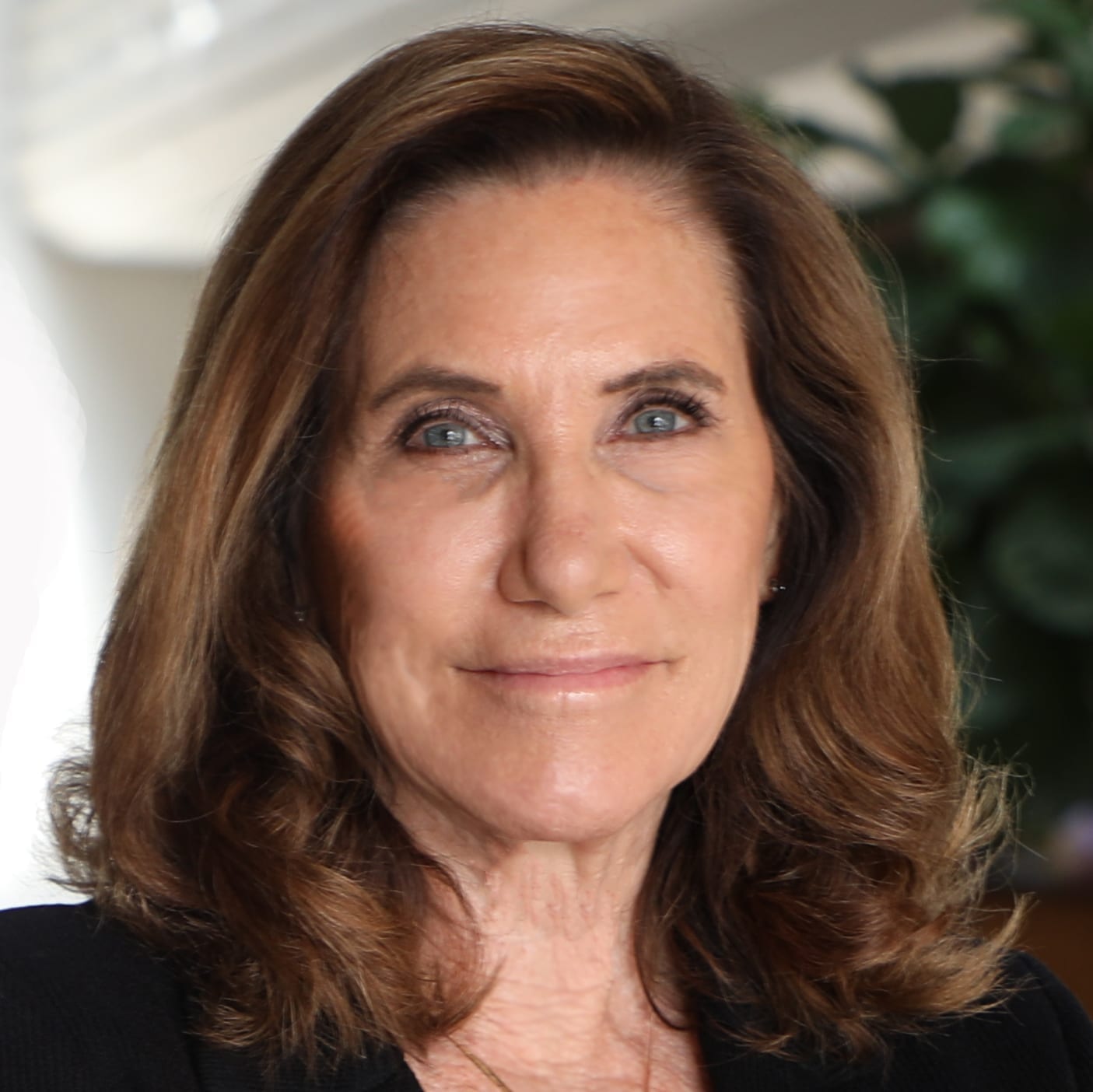
Pamela Rutledge, PhD, MBA is the Director of the Media Psychology Research Center. A consultant, author, speaker, and professor, she consults on a variety of media projects developing audience engagement and brand storytelling strategies.

Leave a reply

Your email address will not be published. Required fields are marked *

This site uses Akismet to reduce spam. Learn how your comment data is processed.

FOR THE PRESS

Dr. Pam Rutledge, media psychologistDr. Pamela Rutledge is available to reporters for comments on the psychological and social impact of media and technology on individuals, society, organizations and brands.  pamelarutledge@gmail.com

SEARCH THE SITE

RECENT POSTS

  • Do You Want Your Kids Arguing Like a Politician?
  • U.S. Politics Look Like a Bad Marriage
  • We’re Being Played: Propaganda, Memes and War
  • The Legacy of Daytime Talk Shows Lives in Your Feed
  • Oprah's High Road: Diverging Paths in Daytime Talk Shows

MEDIA PSYCHOLOGY RESEARCH

The Media Psychology Research Center (MPRC) is an independent research organization directed by Dr. Pam Rutledge.  Read about MPRC at www.mprcenter.org.

CONSULTING PROJECTS

Dr. Rutledge consults on a variety of media projects using psychology to translate data into human behavior for powerful results.

  • Parenting in a Digital World webinar series
  • Persona Development for audience segmentation
  • Fan and Audience Engagement: Identifying audience narratives to satisfy needs
  • Brand Storytelling: Supercharging brand meaning

RECENT POSTS

  • Do You Want Your Kids Arguing Like a Politician?
  • U.S. Politics Look Like a Bad Marriage
  • We’re Being Played: Propaganda, Memes and War
  • The Legacy of Daytime Talk Shows Lives in Your Feed
  • Oprah's High Road: Diverging Paths in Daytime Talk Shows

SEARCH

Content copyright Pamela Rutledge 2026.