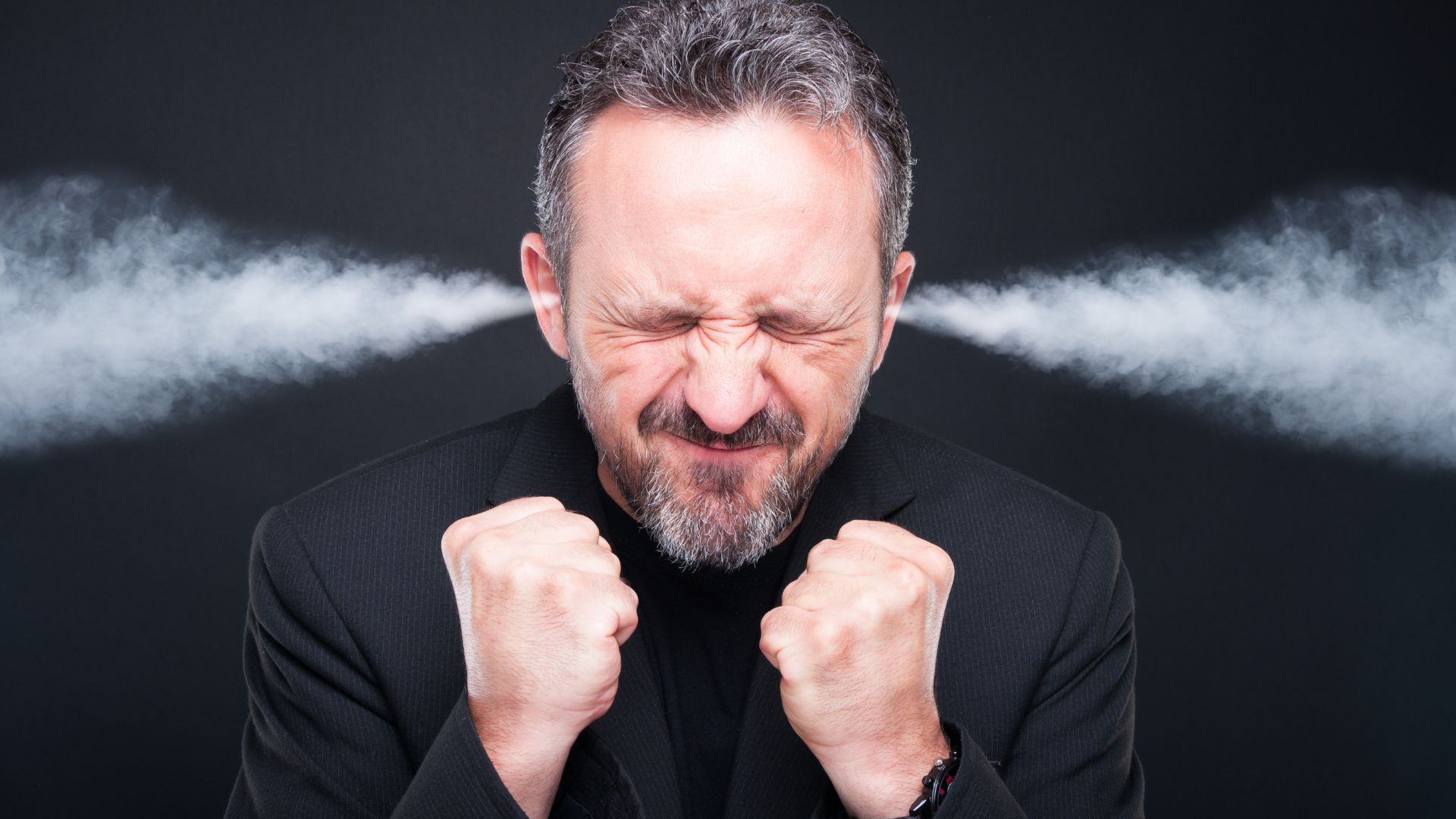
Political campaigns can increase stress and strain relationships. These strategies will help you build resilience and keep your cool during elections.
Key Points
- Political turmoil keeps stress hormones high with adverse psychological and physical consequences.
- Social media amplifies biased information, encourages partisanship, and undermines the motivation to discern fact from fiction.
- Fear of social rejection can increase political group compliance and support for misinformation.
- Sustained anxiety and fear make people more susceptible to political manipulation and extreme viewpoints.
- Limiting exposure and seeking balanced information sources can reduce stress during election season.
I dread the upcoming election season. I feel like each successive election devolves further into name-calling and deceit. It’s not just me. A 2020 Science study found that the contempt level between parties has risen over the previous 30 years (Finkel et al., 2020). However, I found the study especially interesting because the authors highlight two types of polarization. One is based on differing political ideals. The second is more psychological, what the authors call political sectarianism, where political affiliation is integrated into identity and becomes, in their words, a “holy war.” This is a trend that I’ve been watching and has me very concerned. People don’t just disagree; they see their opponents as immoral and detestable. Campaign rhetoric has less to do with policy than it does to vilify and dehumanize the other side.
The lack of compassion and cooperation that comes with feeling morally superior is troubling for democracy. This attitude has permeated all through the media and society, implicitly endorsing meanness and insensitive behavior as acceptable social norms. This trickles down to us all, no matter our level of political involvement or time spent on Instagram. This hostility has a significant impact on us by perpetuating the chronic stress from the pandemic. We are simultaneously emotionally volatile and demoralized. I worry that it will undermine the motivation to vote. Understanding how and why some of this is happening can help us take positive actions to protect our mental health. The best defense is to build resilience and, of course, to vote.
Thanks for reading!
Political polarization has worsened to the point where 40% of Americans describe politics as a chronic stressor, blaming it for increased depression and anxiety, loss of sleep, greater impulsivity, such as posting social media comments they later regret, and damage to relationships with family and friends. We are on the cusp of election season, where political polarization and misinformation are frequent levers to incite fear, anger, and hatred, inundating us with media coverage that undermines our well-being. How do we protect ourselves from the uncertainty and emotional stress of politics and still show up to vote?
Information Seeking as a Coping Strategy
Uncertainty can feel dangerous. We are hardwired to pay attention to any potentially hazardous situation as a survival response. One way we deal with uncertainty is by getting more information. In an environment of limitless content and data and no easy means of telling evidence from opinion, information seeking can quickly turn obsessive. Ironically, continuously surfing through more news that makes us feel anxious and frustrated in the first place doesn’t help.
We’ve had lots of practice doomscrolling during the past few years, between the loss, fear, and social and economic challenges of the pandemic, exacerbated by the continuing conflict filling social media, such as the Ukraine war, the Israel-Hamas war, and social unrest. Parsing through the flood of information, misinformation, and whipsawing threat created a psychological version of long COVID, leaving us in a state of chronic stress, in a perpetual orange alert.
Chronic Stress Can Do a Lot of Damage
Chronic stress leads to a bodily imbalance by keeping the stress response system in the hypothalamus, pituitary gland, and adrenal glands (HPA axis) activated and stress hormone levels high. The brain manages the adaptive processes that maintain homeostasis (called allostasis) by producing chemical messengers, such as adrenalin and cortisol. When our stress levels exceed our ability to cope, we experience an allostatic overload, leaving us “stressed out” (McEwen, 2005). Like old socks, our biological and psychological systems do not just snap back into shape after overuse.
Digital Media Opened the Flood Gates to Unfiltered Information
Digital media, peer-to-peer connectivity, and instant and unlimited access to the Internet play a significant role in news consumption, with social media as the go-to news source for a frighteningly high percentage of users: 53% of X /Twitter users, 43% of Facebook users, 43% of TikTok users, 34% of Instagram users (Pew Research Center, 2023, November 15). Social media has democratized access to information distribution and, as a by-product, has amplified the amount of mis- and disinformation with little ability to enforce accuracy or accountability. Social media has pulled users away from mainstream sources, so traditional news platforms have become increasingly partisan to satisfy target audiences and stay economically viable. Competing news versions may attract audiences, but it comes at the longer-term cost of trust..
On the viewer side, increased anxiety and cognitive dissonance are driving people to selectively seek sources that make them feel better and avoid those that don’t. As the chasm between political groups grows, news and misinformation become forms of social capital. Being part of a group makes people feel safer, and the world seems simpler, reducing it to binary constructs: us/them, in/out, write/wrong. Viewer criteria shift from accuracy to loyalty, making the distribution of misinformation a form of social capital that affirms belonging and loyalty (Morrison & Ybarra, 2009).
The Danger of Identity Politics
There is a longer-term cost here, too. When misinformation and conspiracy theories become symbols of tribal allegiance, it is impossible to have a rational discussion or healthy debate over policy differences. Compromise becomes impossible when challenges to policies and legal structures are experienced as attacks on ego, identity, and beliefs. We all need to feel a social connection. It is central to our mental and physical well-being. In our current orange alert state, however, affiliation increasingly takes precedence over reality.
Open disagreement puts you at risk of rejection from your tribe, whether it’s family, friends, political party, or all three. The threat of social expulsion has been used to exact compliance throughout history, from excommunication to time-out. Social rejection is a significant source of stress. Studies have shown that rejection activates the same brain areas as when we experience physical pain. Unlimited information channels, social pressures to conform, and the cognitive discomfort of processing conflicting information all reduce the motivation to fact-check. The firehose of information makes it impossible to evaluate source accuracy, driving people to rely on “tribe-approved” pundits who benefit from further fueling distrust in any opposing views, from traditional media sources and trained experts to empirical evidence. If the last two elections are evidence, things will get worse. We need to prepare for the world to feel meaner, more chaotic, and uncertain.
Hypervigilance as a Form of Long COVID
A hostile political and social environment can cause uncertainty as negative emotions interfere with our ability to evaluate, avoid, or minimize potential future threats. Ambiguity impairs the brain’s ability to anticipate outcomes, so we cannot adapt. Without these anticipatory processes, we also lose our belief that we can be effective. This loss of agency leads to an increased sense of helplessness, further increasing anxiety (Grupe & Nitschke, 2013).
Chronic Stress Makes Us Vulnerable to Political Manipulation & Crazy Ideas
Sustained anxiety rewires the brain, creating a state of hypervigilance. This heightened sensitivity to threat is linked with increased political polarization as we attempt to navigate fear and anger to feel more in control. Campaigns that blame others as threats to ‘our way of life’ validate our worries, heighten our anxiety, and increase our internal need for certainty. This makes us susceptible to politicians and bad actors who offer easy solutions as moral superiority. That need to join a tribe to feel safe increases the likelihood of accepting biased political information and conspiracy theories, further deepening the ‘us-them’ gap (Fraser et al., 2022).
As we’ve seen, the cost to social systems is enormous. What lurks under the surface is all the physiological and psychological fallout that comes with chronic stress, such as diminished immune function and an imbalance in neural communication related to cognitive function, anxiety, and mood (McEwen, 2017). The result is continued conflict and an increasing burden on the healthcare system.
Managing Wellness Without Checking Out
The volume of information far outpaces our ability to keep up, much less figure out what’s true, and adds to our anxiety, creating a downward emotional spiral. This downward spiral only stops when we act with intention and counteract our innate tendencies by demanding self-awareness and self-regulation. Yes, that is far easier said than done. It takes significant cognitive energy to overcome behavior’s instinctive and emotional drivers. Try using the metaphor of the elephant as the instinctive, emotional brain and the rider as the cognitive, rational brain to illustrate the relative power of emotion in decision-making and the burden on the rider to get the elephant back under control. We are up against algorithms that drive us to filter bubbles and promote sensational content. It takes conscious awareness and intention to harness our emotions and take back our news feeds. Without our active intervention, online information flows will continue to feed the elephant.
Here are 8 Tips for Getting Through the Upcoming Elections
- Check in with yourself and watch for political fatigue symptoms, such as anxiety, higher blood pressure, mood changes, and sleep disturbances. These are signs that you need to make changes.
- Monitor how you engage with political content. Keep a journal for a few days to identify your consumption and emotional patterns and determine if politics interfere with your life or cause problems in your relationships. You have to know what’s not working to make changes for the better.
- Restrict your content to reputable sources and confirm the validity of information to avoid reacting emotionally or sharing misinformation. Save social media for what it’s best at—entertainment and socializing.
- Be conscious of where and how you share your opinions. If you can’t discuss something with colleagues or family without getting emotional, make political talk off-limits.
- Be curious about other points of view. You may believe you’re right, but you can’t change how other people think or feel without understanding their perspectives and where the disagreements lie.
- Watch out for a tendency to doomscroll, repeatedly viewing (and sharing) content that activates negative emotions. If all politics gets you down, but you want to know what’s going on, front-load happy stuff to provide an emotional buffer and limit the time you spend.
- Step away to help reset your brain. Take a deep breath, grab a moment of mindfulness, take a walk in nature, have a cup of coffee, or just put down your device for a few moments. Taking a break or doing some deep breathing relaxes the vagal nerve and will help you be more analytical and less emotional.
- Watch media content with a critical eye to see when and how it targets your emotions, diminishes your cognitive resistance, and makes you vulnerable to manipulation. Critical thinking is the enemy of misinformation.
Put Your Mental Health Before Politics
You don’t have to put your head in the sand or ignore important events during the election season. Good citizenship means taking the time to be informed and to vote. However, you can pay more attention to what you find valuable and necessary and avoid what you find emotionally activating. This shift will increase your emotional regulation skills and make you more effective in other aspects of your life, from relationships and work to political participation. Anger and fear impair your ability to think rationally and strategically (and make you more unpleasant to be around.) More importantly, they diminish your empathy and compassion for others and hamper your ability to hear different points of view. These are qualities we badly need right now.
References
Finkel, E. J., Bail, C. A., Cikara, M., Ditto, P. H., Iyengar, S., Klar, S., Mason, L., McGrath, M. C., Nyhan, B., Rand, D. G., Skitka, L. J., Tucker, J. A., Van Bavel, J. J., Wang, C. S., & Druckman, J. N. (2020). Political sectarianism in America. Science, 370(6516), 533-536. https://doi.org/doi:10.1126/science.abe1715
Fraser, T., Aldrich, D. P., Panagopoulos, C., Hummel, D., & Kim, D. (2022). The harmful effects of partisan polarization on health. PNAS Nexus, 1(1). https://doi.org/10.1093/pnasnexus/pgac011
Grupe, D. W., & Nitschke, J. B. (2013). Uncertainty and anticipation in anxiety: An integrated neurobiological and psychological perspective. Nat Rev Neurosci, 14(7), 488-501. https://doi.org/10.1038/nrn3524
McEwen, B. S. (2005). Stressed or stressed out: What is the difference? J Psychiatry Neurosci, 30(5), 315-318.
McEwen, B. S. (2017). Neurobiological and systemic effects of chronic stress. Chronic Stress (Thousand Oaks), 1. https://doi.org/10.1177/2470547017692328
Morrison, K. R., & Ybarra, O. (2009). Symbolic threat and social dominance among liberals and conservatives: SDO reflects conformity to political values. European Journal of Social Psychology, 39(6), 1039-1052. https://doi.org/https://doi.org/10.1002/ejsp.606
Pew Research Center. (2023, November 15). Social media and news fact sheet: News consumption by social media site.

 Dr. Pamela Rutledge is available to reporters for comments on the psychological and social impact of media and technology on individuals, society, organizations and brands.