
- Technology tops kids’ holiday wishlists
- Covid changed kids’ expectations about digital devices
- Decide if your child is mature enough by discussing with them the benefits and risks of any connected technology
- Use a written technology ‘contract’ that spells out privileges and responsibilities so you and your child are on the same page
- Tech is more than cellphones ; lots of tech toys teach digital skills like critical thinking and collaboration
- Digital skills are foundational to STEM skills and are a minimum standard for most careers
From an iPhone to Nintendo Switch, a tablet to a smartwatch, what’s on your kid’s wish list? How can you make sense out of what tech experiences are positive? How do you match technology choices with your kid’s maturity?
After over a year of Covid, our perception of technology has changed. It’s gone from being parent enemy #1 to a lifeline. Even my 89-year old mother happily zoomed her committee meetings. But now what? Will we go back to being anxious and outraged about technology now that things are opening up again? With news stories about the Facebook files and the irresponsible use of the term ‘addiction’ without regard for diagnostic criteria, you may be trying to figure out what makes sense for your kids today. But trust me, getting kids off their devices is going to be a much harder sell than ever before. As my grandma liked to say, “how ya gonna keep ‘em down on the farm after they’ve seen Paree?”

Embedded Technology is the New Normal
When you’re 11, two years of Covid represents about 20% of your life. That’s a lot in terms of a child’s experience and frame of reference. But more importantly, it’s a significant difference in the child’s cognitive, emotional, and social development. We adults may be a little road-weary from the pandemic. Our kids are entirely different people.
Technology has been the lifeline for young people whose developmental tasks are outward-focused and rely on social interaction with peers. You may think it’s time to get back to normal and ‘rein in all that screentime,’ but your idea of normal will probably not match up with that of your kids. For them, life flows from offline to on and back again; technology is integrated more than ever in their new normal. So don’t be shocked if even very young kids ask for tech this holiday. Cellphones may be at the top of the wish list this year precisely because they are multi-function devices and not just a portal to Instagram.
The Benefits and Risks of Cellphones for Kids
There are lots of ways to evaluate a child’s readiness for a cellphone and connected technologies. The first is to start a conversation with your child where both of you identify how you see the benefits and the risks. I guarantee that your lists of pros and cons won’t match your child’s. This is valuable information for crafting responsible use agreements. But you may be surprised at how both your and their ideas and expectations have changed post-pandemic. (You can also see the Cyberwise Chat Webinar on Tech Gifts on the Webinars tab.)
But tech gifts aren’t just about cellphones. The increased use of phones, tablets, and computers means kids have a lot more familiarity with all kinds of things that digital devices can do: from moviemaking, drawing and video games to apps like Headspace to address anxiety. (Yes, believe it or not, kids are asking for Headspace subscriptions.)
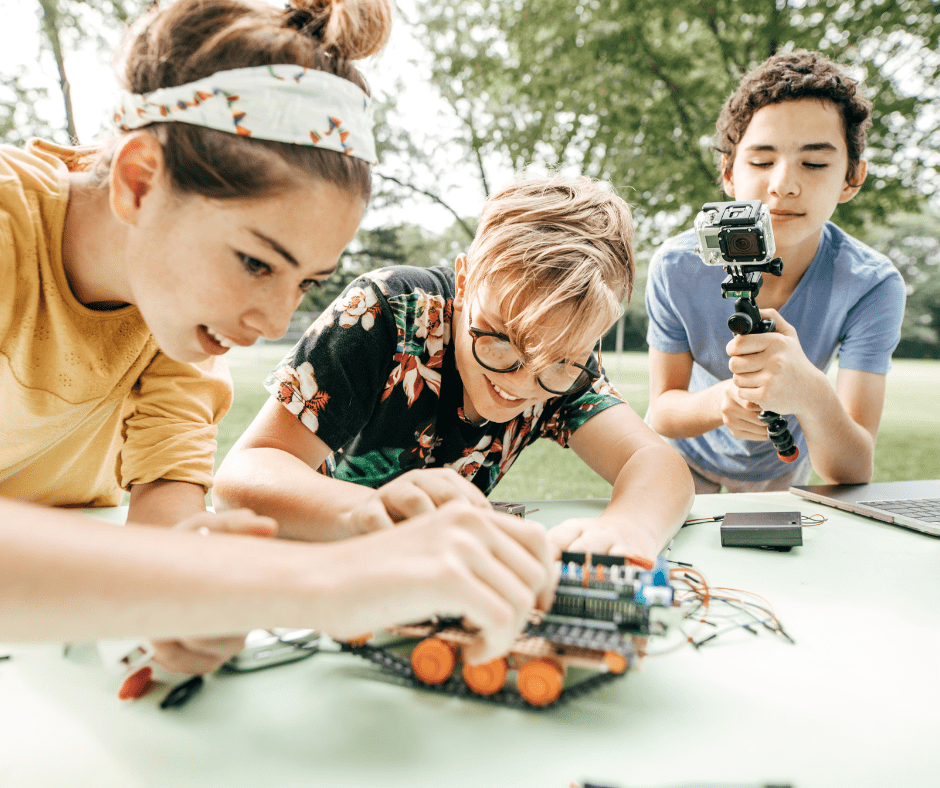
Introduce Kids to Digital Skills
Broader experience also means kids will be more interested in learning about how to make digital experiences themselves. Why do you think TikTok is so popular?
This makes the holidays a perfect opportunity to introduce your child to some gifts that will further expand their interest in technology and develop their skills, as well as help prepare them for more career opportunities. According to 2017 research funded by Capital One, 82% of middle-level jobs require digital skills, and jobs requiring advanced digital skills pay twice as much (Bradley & Restuccia, 2017). Digital skills and digital literacy have become a minimum standard for career opportunities. Yet less than half of all school programs integrate any form of computer science or digital skills training.
Research also shows that students need a foundation in digital skills to succeed in STEM subjects (science, technology, engineering, and math.) STEM education is increasingly important because the growth of STEM careers will far outpace non-STEM ones. You may not be worried about your 10-year old’s career choices, but STEM education helps all students, and it emphasizes the same foundation that is the backbone of media and digital literacy – critical thinking. Critical thinking enhances problem-solving, creativity, the ability to question, find and evaluate information, understanding how the world works, and collaboration.
Making STEM Skills Relevant
Your child may “hate math and science,” as some of mine did, but talk to them about making a video, creating a soundtrack, building a Minecraft mod, negotiating a trade for a rare, legendary pet in Roblox or even figuring out the value of likes and followers on YouTube and you will see their eyes light up. Now that’s useful stuff from their perspective!! And all these are based on digital skills and most on what we’d consider STEM.
Look for ways to expand your kids’ appreciation of technology and increase their skills by giving them more ownership over the skills. Robots that draw what you program or LED lights a teen can program to pulse with their favorite tunes on Spotify (another big holiday ask). And don’t underestimate the humble mobile phone. You may be worried about scrolling on Instagram, but kids are using their phones for everything from research to movie making. Self-esteem is a function of self-evaluation (e.g. Baumeister, et al, 2003). Technology is not going away. Peer-to-peer connectivity is here to stay. no matter what happens with Facebook. Using technology for kills development can contribute to successes and competencies that enhance self-confidence and emphasize intrinsic value, mitigating the potential negative effects of social comparison that plague growing up.
References
Baumeister, R. F., Campbell, J. D., Krueger, J. I., & Vohs, K. D. (2003). Does High Self-Esteem Cause Better Performance, Interpersonal Success, Happiness, or Healthier Lifestyles? Psychological Science in the Public Interest, 4(1), 1–44. https://doi.org/10.1111/1529-1006.01431
Bradley, B. & Restuccia, D. (2017). The Digital Edge: Middle-Skill Workers and Careers. Burning Glass Technologies/Capital One

 Dr. Pamela Rutledge is available to reporters for comments on the psychological and social impact of media and technology on individuals, society, organizations and brands.