Successful virtual exercise experiences targets agency, mastery and social connection to inspire intrinsic motivation
KEY POINTS
- Covid made hybrid experiences more acceptable and even desirable
- Self-determination theory is a framework for evaluating technology experience, focusing on core needs: agency, competence, and social connection
- Designed well, technology can contribute to the satisfaction of these needs and enhance wellbeing
- Peloton creates a virtual experience that simultaneously empowers members to achieve and increases a sense belonging

Like many, I purchased a Peloton bike at the start of Covid. It was a leap of faith as it is not the first home exercise equipment I’ve bought. However, most of it ended up gathering dust in the spare room. Surprisingly, I have never used anything as consistently as I do the Peloton bike. Even with the gyms open again, I have a 74-week streak going. I’m not alone in this commitment. There are many reports from riders who claim that the Peloton experience has not only inspired them to exercise but transformed how they think about themselves.
This is not a plug for Peloton as much as it is a reflection on the psychology behind what makes an engaging and motivating virtual experience. I can’t take any media experience at face value. As a proponent of positive media psychology, I always want to know the ‘why’ behind effective positive media experiences to influence the best practices for the design and use of other media. Personally, I am happy and somewhat dumbfounded that riding with Peloton is so sustainable.
Peloton as a Cultural Phenomenon
COVID made hybrid approaches to many things, from work and education to medical care, not only more acceptable but more desirable. Social isolation helped fuel 2020’s surge in Peloton bike sales and app memberships. However, while the sales velocity is slowing, Peloton users are unlikely to abandon their bikes en masse in favor of the gym.
It’s virtual, yet I “meet” for a weekly ride with a group of media psychology colleagues who live all over the country. The experience is sufficiently meaningful that off the bike, we have formed a group to research the psychological dynamics of the experience. (If you are a Peloton rider and willing to support academic research, follow this link to my research team’s short survey*.)
Exercise and Wellbeing
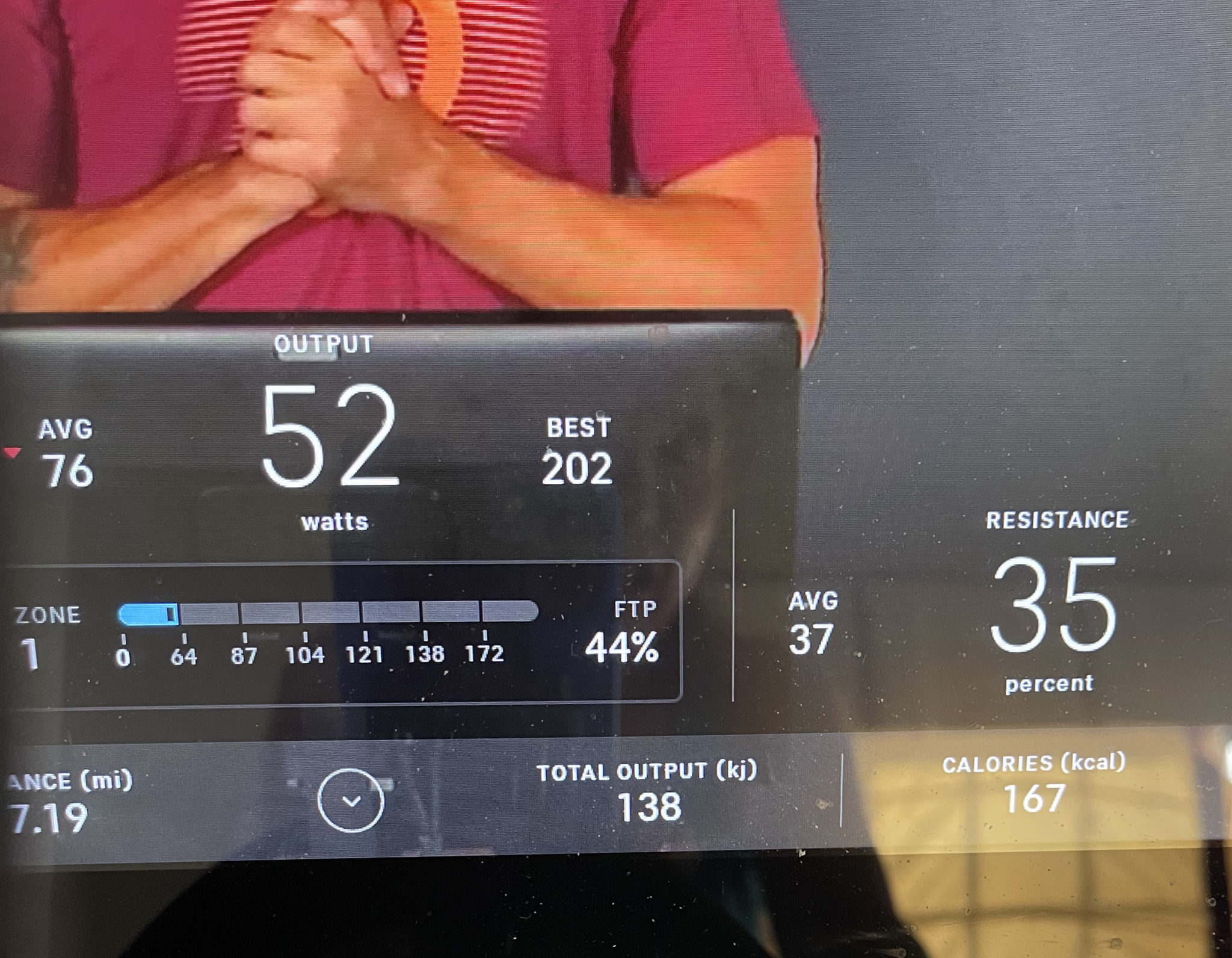
Every technology can intentionally or accidentally contribute to the satisfaction of the psychological needs that support wellbeing. Self-determination theory (SDT) is a broad framework for understanding motivation and engagement based on the core needs of autonomy, competence, and social connection (e.g. Deci & Ryan, 2000). Using SDT as a lens, Peloton ticks all the boxes. From real-time measures of effort, evidence of accomplishments, and interactive leaderboards to a vast range of choices, the design of the experience should reinforce agency and competence, enhancing the intrinsic motivations that support regular exercise (e.g., Teixeira et al., 2012). Beyond the importance of physical activity to health, however, anecdotal reports suggest the Peloton experience goes beyond exercise. It is relational.
Riding in the Presence of Others
Research has repeatedly shown that social connection is motivational (e.g., Baumeister & Leary, 1995). Beyond the ‘riding with the Peloton’ metaphor, social connection on Peloton is emphasized everywhere. Presence, that feeling of being connected with others through media, is created in a number of ways that cumulatively amplify the sense of belonging (e.g. Grigorovici, 2003). These include followers, hashtags, leaderboards, the ability to video chat with friends while you ride, and the growing team of dynamic, ridiculously fit, and attractive yet relatable instructors with exceptional camera skills who invite you to connect with them via social media. The human brain does not distinguish between virtual and real in how it reacts to social cues. I know that the instructors can’t see me, but it feels great when they tell me how awesome I’m doing. The physiological effect is real. And it doesn’t hurt that Peloton is a prestige brand. Brand prestige positively affects brand engagement and becomes a resource for self-expansion (de Kerviler & Rodriguez, 2019). It’s the exercise version of being a Harley rider. Shared experiences amplify social validation, affiliation, belonging, and positive emotions.
Top 4 Reasons I Climb on the Peloton Bike
Motivation and energy aren’t the same every day. Some days are just hard. I tried to make a shortlist of what motivates me to get on the bike when I’d rather not.
Here are my top four motivators and it reads like a list out of the Self-Determination Theory playbook:
- Social connection: Once you’ve experienced cascading high-fives, there’s no going back
- Choice: Long or short, hard or recovery, pop or hip hop, and perky, earnest or calming instructors allow me to craft a workout that seems doable even when I’m dragging.
- Presence: Other members are visible and encouraging
- Quantifiable Success: I don’t need the research to feel how keeping track of my workouts encourages accountability.
What about you?

References
Baumeister, R. F., & Leary, M. R. (1995). The need to belong: Desire for interpersonal attachments as a fundamental human motivation. Psychological Bulletin, 117(3), 497-529. https://doi.org/10.1037/0033-2909.117.3.497
de Kerviler, G., & Rodriguez, C. M. (2019). Luxury brand experiences and relationship quality for Millennials: The role of self-expansion. Journal of Business Research, 102, 250-262. https://doi.org/https://doi.org/10.1016/j.jbusres.2019.01.046
Deci, E. L., & Ryan, R. M. (2000). The “what” and “why” of goal pursuits: Human needs and the self-determination of behavior. Psychological Inquiry, 11(4), 227-268. https://doi.org/10.1207/s15327965pli1104_01
Grigorovici, D. (2003). Persuasive Effects of Presence in Immersive Virtual Environments. In G. Riva, F. Davide, & Ijsselsteign (Eds.), Being There: Concepts, effects and measurement of user presence in synthetic environments. IOS Press.
Peters, D., Calvo, R. A., & Ryan, R. M. (2018). Designing for Motivation, Engagement, and Wellbeing in Digital Experience. Frontiers in Psychology, 9, 797-797. https://doi.org/10.3389/fpsyg.2018.00797
Teixeira, P. J., Carraça, E. V., Markland, D., Silva, M. N., & Ryan, R. M. (2012). Exercise, physical activity, and self-determination theory: A systematic review. International Journal of Behavioral Nutrition and Physical Activity, 9(1), 78. https://doi.org/10.1186/1479-5868-9-78

 Dr. Pamela Rutledge is available to reporters for comments on the psychological and social impact of media and technology on individuals, society, organizations and brands.