I recently received this email inquiry from a college student:
I am very interested in obtaining some sort of degree in psychology. I have been researching all the different areas and was just wondering if the pathway would be to just get a psychology degree? Or specialize in something for the media? And then what careers would be possible?
Psychology has lots of avenues. Your interests will help you determine what degree path you should follow, but at the undergraduate level, majoring in psychology is a good place to start.
If you are interested in doing clinical work, I would recommend making sure you have classes like abnormal psychology, educational psychology, developmental, adolescent and look for anything that might allow you to have some hands-on experience in a clinical setting. Different schools have different opportunities, so look in departments other than psychology. There are some great education, sociology, and anthropology topics and programs that can give you a better understanding of humanity in context.
If you are interested in media psychology, you will still need a very good basis in psychology. While you don’t need clinical training, some training in interaction and group dynamics with people is very valuable to research (interviewing, focus groups). You can supplement psychology with communications classes, sociology, anthropology, and political science, depending upon your interests. For media psychology, you would emphasize things like human development, cognition, attitude, persuasion, learning styles, and narrative psychology rather than more clinical applications like abnormal psychology.
Make sure that whatever you do, you take something in the biological bases of behavior and neuropsychology. Biology and neuroscience are increasingly important in our understanding of pretty much everything–behavior, perception, cognition, and emotion. Also, if you are interested in media psychology, familiarity with media content production is helpful so you know the elements that constrain the construction of the images and messages (web, social media, educational media, virtual worlds, handheld devices, not just TV and movies.)
While not everyone agrees with me, I view a media psychologist as someone who understands both people and mediated communication technologies, not just someone trained in psychology that appears in the media. It is an important function to know how to translate information for public consumption , and clearly there are clinicians who are experienced in media production. But to generically call someone a “media X” because he/she talks about his/her area of expertise in the media (or provides a service via a media platform) just seems silly to me. We don’t say media chemist, media cardiologist, media gardener, media pet trainer, media economist…. However, sociologically, it does say something about our fascination with the media and celebrity.
I see psychology as a fundamental skill. (You may have noticed that people are everywhere trying to deal with each other in some capacity–increasingly at a distance using technology.) Media psychology is applicable to a number of areas with career potential wherever people interact with technology or wherever a message is distributed through technology. All of the following areas have multiple applications: developing stuff, assessing what someone else developed, research, and/or teaching it to someone else.
- Distance learning systems (e.g. interface development, content development, how to create a viable relationship without physical presence.)
- Healthcare (interface and content development for health education through media, such as public service messages, edu-entertainment, such as soap operas with social messages, or interactive websites; distance care; support groups).
- Education (educational materials for the classroom and home that teach critical thinking skills, creativity, and problem-solving as well as content areas such as math, history, science.)
- Program development for educational and corporate environments, from media literacy to communication styles
- Entertainment from films, web, and music to video games and whatever’s next–understanding enjoyment, engagement, and attention.
- Technology design (what makes a good system or physical interface)
- Technology training (how to make people comfortable with technology means understanding why they aren’t comfortable–often more complicated that simple understanding which buttons to push.)
- Marketing, advertising, global messaging – the ability to produce responsible and positive messaging; branding (product and country); conflict resolution; social change
These are just off the top of my head and I’m quite sure I have neglected some important and very cool things.
Personally, I find the intersection of human experience and media technologies incredibly exciting. The key is really understanding human experience, because the technologies change rapidly.
Most importantly, learn everything you can. I believe it is increasingly important to think in a transdisciplinary way. There are no set rules in a world that is moving so quickly. While this can make it confusing, it is also very exhilarating to be able to define yourself and your field. For me, the key is to figure out what you really care about in life (and it’s okay to change your mind). Keep coming back to that as the touchstone for decision-making. It makes it much easier to make judgments along the way about what fits. It also allows you to engage passionately in what you do. Passion turns a ‘job’ into a personally rewarding and expanding experience. Best of luck!

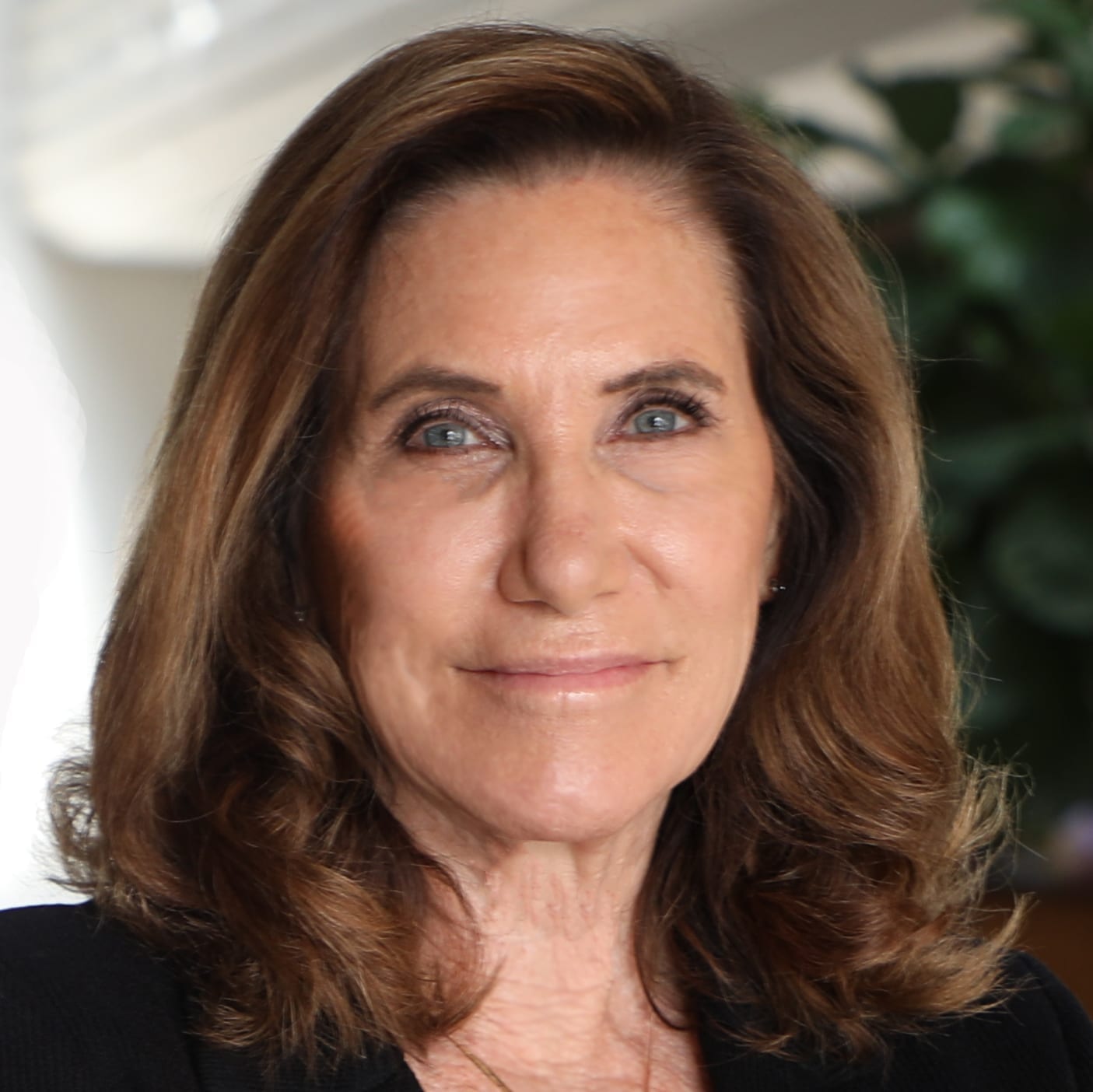 Dr. Pamela Rutledge is available to reporters for comments on the psychological and social impact of media and technology on individuals, society, organizations and brands.