A common response to the “what is media psychology” question is to assume that it refers to popular or broadcast media and connect it with psychologists who work, often quite visibly, within that realm or the persuasive power of advertising. This “Dr. Phil” point of view is echoed in Division 46 president Spielberger’s column in the recent Division 46 newsletter when he discusses the proposed name change for the division. The name change from “Media Psychology” to “Society for Media Psychology, Communications and Interactive Technologies” was, fortunately, effectively struck down by member response in spite of the overwhelming support of the board (favored 8 to 2), but what interested me, particularly in light of what we are undertaking with crafting a definition, is that the “leaders” of the Media Psychology division should have such a narrow view of Media Psychology. This is apparent in the proposed name which, rather than being the Psychologies of Media, Communications, and Interactive Technologies, isolates (and diminishes the role) of psychology by attaching it to media, and not positioning it semantically as fundamental to all the areas in the division. I thought their narrow vision was all the more remarkable given Bernie Luskin’s active involvement in the division; in fact the same issue has an article by Bernie talking about the breadth of the field and the essential role of psychology in a wide range of media with applications from education to technology development. Old visions die hard I guess.
At the same time, in the most recent issue of the journal Media Psychology , the editors say that in the seven years since its inception, “the journal has gained such stature and respect by media psychology scholars that it now ranks second in impact for communication in the latest issue of Journal Citation Reports.” (Oliver, Mary Beth; Shrum, L. J.; Vorderer, Peter, Media Psychology. 8(2), 2006, 61-63.) This view and enthusiasm is, of course, promoted by Bernie in “Casting the Net” among other places. So the good news is that while the view of many is still narrow, the work and research is broadening and gaining momentum.
In the essay by Stuart Fischoff (Media Psychology: A Personal Essay in Definition and Purview) he talks about the narrow focus in media psychology research on media effects, particularly focusing on children. Fischoff starts a definition as: media psychology uses the theories, concepts and methods of psychology to study the impact of mass media on individuals, groups and cultures, but concludes it is too broad to be useful.
The notion that something is too broad to be useful is worth thinking about. A colleague had a good description “Media Psychology is the study of how mediated communications impacts meaning making and world view construction, and also explores actions resulting from those constructs.” And I agree with him that all communication is mediated, but I wonder if the definition is too broad it then is not only not useful but meaningless as a definition. Fischoff discusses how disciplines are defined as much by what they exclude as by what they include. It’s kind of a binary approach and shows up a lot in nature and junior high cliques. But it does allow for testing the edges. Fischoff apparently draws the line at air counting as a mediating factor, but a colleague pointed out that even in face-to-face conversation there are mediating factors.
But I keep coming back to the question: what is the purpose of this definition? It isn’t for us – we already know what it is (although perhaps not articulately) or at least we have glimpses and glimmers of its broad potential. And if the definition were for us, what would that add to the broader realm–society, academia, etc?
If we begin by saying “when people ask me” or “when a colleague asks me” creating a definition must be for giving information to others. In responding, the quality of the information we give has the potential to do many things: (selfishly) promoting the field may create research and job opportunities, and validate our degrees; and (more altruistically) expanding others’ awareness and interest informs them of the range of significant contributions that psychology can offer to and through a range of media applications and interactions. Operationally, I agree with a broader view such as Marshall McLuhan’s idea that a medium, whatever it is, impacts the way the receiver interacts with both the medium and the transmitted content. At the same time, I am mindful of trying to articulate the “practical” goal –before the definition itself.
If a goal is to educate others, then what language best communicates the message? Does the definition differ with the audience. What words are limiting? What words create negative images? (For example, the term “mass media” has a pejorative connotation to me.) I wonder if the “problem” in other’s narrow perception of Media Psychology is in the word “media,” which appears to create a very defined and sticky mental model. The survey should be very helpful showing us some of these preconceived notions in the language.
From my perspective, the definition needs to make it clear that this discipline is grounded in psychology and that media is not restricted to entertainment media. I feel like that the word “psychology” is a successful definition in that it is moderately well understood across both academic and lay populations and at the same time implies some breadth. That may be the problem with the word “media”.
At the same time, I think Eddie Bernays would say that the solution to the problem is not in the words (although they do play a role), but in how we plan the actions to educate and change the perception of the receiver. The real challenge may lie in the strategy and campaign, creating the need or place for Media Psychology.
Here is my start at a definition. Based on anecdotal and personal evidence, I have rejected the use of the words “mediated,” “convergence,” and “nexus” due to the glazed eye problem.
Media psychology is the use of psychological theory to study and understand the interaction of different media forms with human experience.

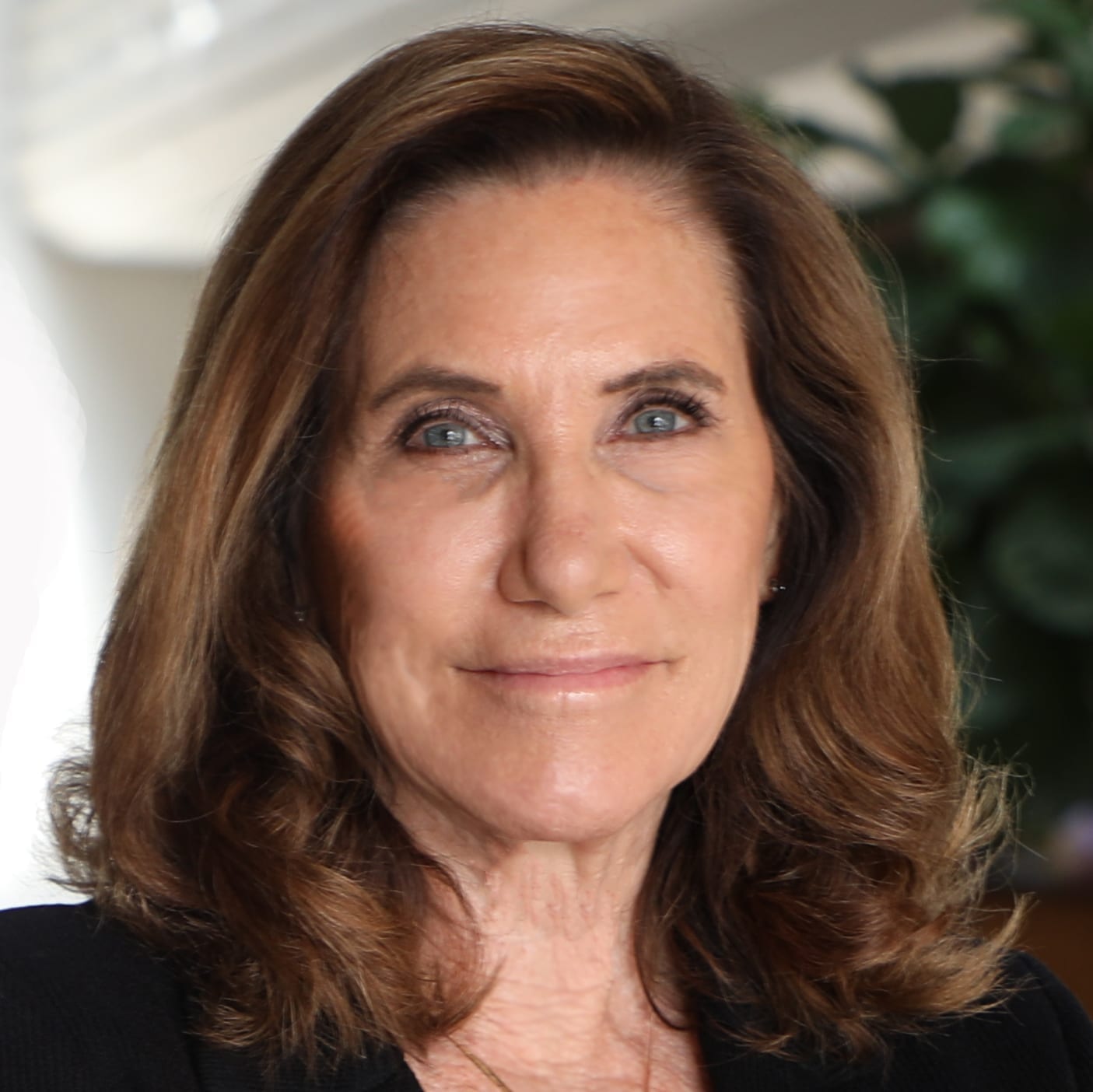 Dr. Pamela Rutledge is available to reporters for comments on the psychological and social impact of media and technology on individuals, society, organizations and brands.