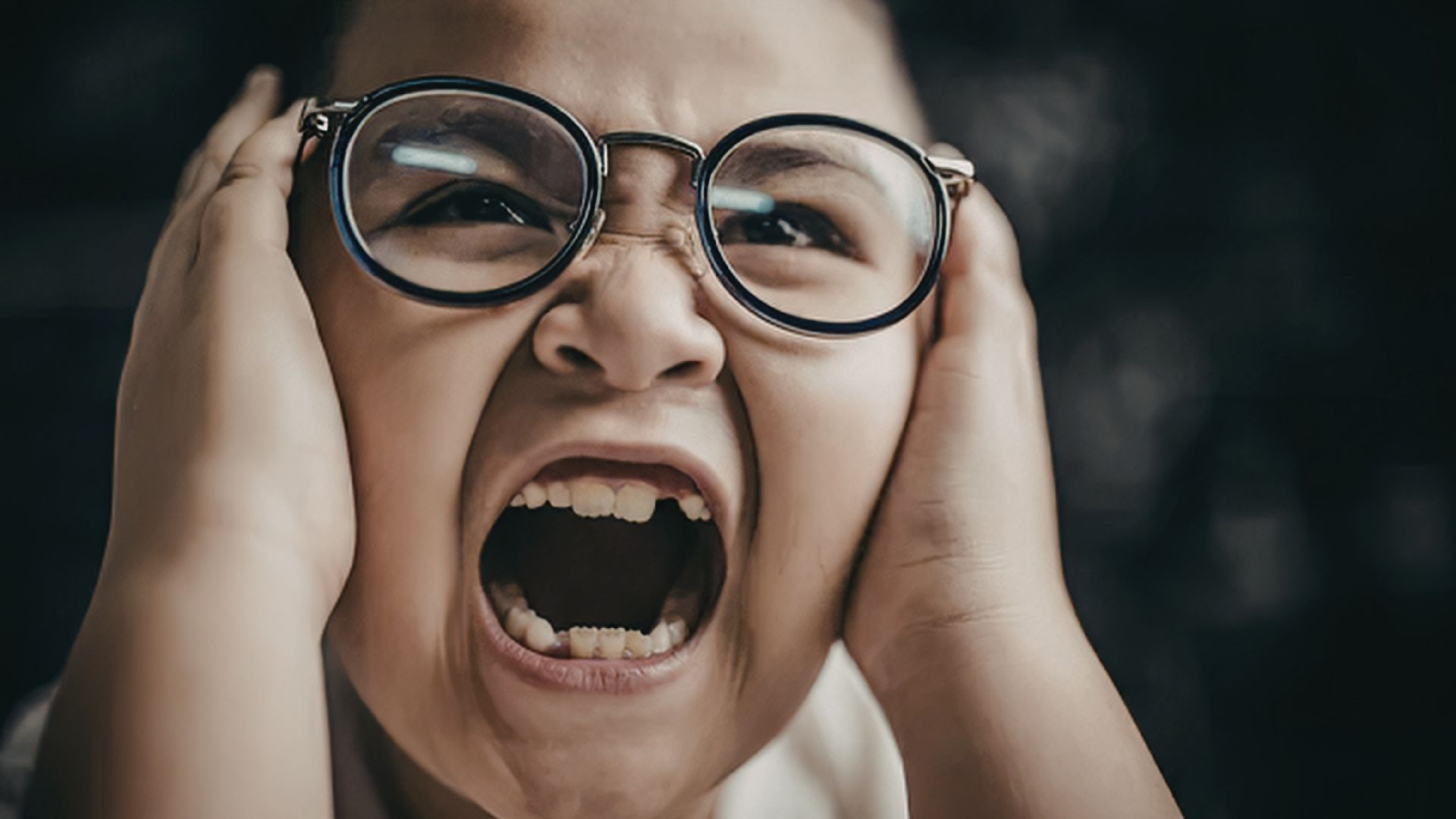
U.S. politics teaches kids to handle conflict by fighting dirty, not listening and responding with respect. Those lessons won’t serve them well in their own relationships.
Key Points:
-
Kids see politics and social media as tutorials on how power, attention, and winning work
-
Repeated exposure to hostile, winner-take-all conflict is linked with higher bullying, lower empathy, and poorer family relationships.
-
Public behavior that normalizes humiliation, grievance, and denial can become a template for how kids handle friendship and relationship conflict.
-
Without guidance, kids may mistake visibility and attention for credibility and success.
I’m deeply concerned about the role models politics is giving our kids today. My last post, “Why U.S. Politics Looks Like a Bad Marriage,” didn’t tackle how this kind of public rhetoric and celebrated cruelty influences what kids see as acceptable—and even “effective”—ways to succeed. Personal attacks may generate clicks and headlines, but they are a destructive form of manipulation that leaves people too fearful and angry to hear another point of view. The real cost comes if kids internalize these tactics as strategies for success and end up sabotaging their future personal and professional relationships.
If you’re a parent, you’ve probably heard that social media is damaging kids’ mental health. Teens scroll through airbrushed bodies, perfect vacations, and curated friend groups and end up feeling like they don’t measure up. That argument focused on only one kind of social comparison.
Social comparison is an innate, automatic process that helps us understand how our world works. It goes far beyond “Do I look as good?” or “Do I have enough followers?” It is also “How do people act here? What gets attention and approval? What does winning look like? How do I succeed?” The potential damage from social media promoting unrealistic beauty standards pales in comparison to the larger life lesson of “how to be.” Observing others teaches kids how to solve problems, handle disagreement, and respond to conflict (Bandura, 1977).
Right now, the most visible models for how conflict works are politicians, influencers, and public figures who treat personal attacks, denial, obstruction, and retribution as winning strategies and signs of strength.
These are the life lessons our kids are learning. And unlike beauty standards, these are not superficial.
The Conflict Curriculum
Kids are not oblivious to politics, even young ones. They pick up information from media, overheard conversations, and the emotional tone of adults around them. Children as young as five often mirror their parents’ political attitudes (Patterson et al., 2019).
They draw conclusions about behavior, not policy. Children process social behavior, not tax rates or foreign affairs. They watch who wins and how, who has power, how they treat others, how they respond to challenges, and who is held accountable. Decades of research show that observing behavior and outcomes influences which behaviors are internalized as acceptable and effective.
Right now, the lessons kids see are not good ones. Our political environment is teaching kids that conflict is about anger, insults, and domination, not disagreement, negotiation, and repair. Public figures and political elites across the spectrum model the exact communication patterns that predict relationship failure—criticism, contempt, defensiveness, and stonewalling (Gottman & Silver, 1999).
This is not about policy. This is about the fundamental ways people relate to one another, how they deal with differences of opinion, talk and listen to each other, and their willingness to problem-solve, compromise, and seek solutions. The conflict-resolution strategies children learn early are the ones they carry into friendships, workplaces, and romantic relationships. Adolescence, in particular, is when social habits consolidate, the brain’s social circuitry is highly responsive to their environment, and peer relationships become the primary rehearsal ground for relationship skills.
When Destructive Habits Go Viral
As I wrote previously, psychologist John Gottman showed that four communication habits—criticism, contempt, defensiveness, and stonewalling—are powerful relationship destroyers. Today, these patterns also dominate kids’ media environment, modeled by high-status adults, amplified by algorithms, and rewarded with attention. These behaviors don’t stay online; they are showing up on school playgrounds.
What do our kids see?
-
Criticism that are personal attacks on who a person is, not what they did. Kids watch adults hurl global character judgments at anyone who disagrees. The lesson: When someone crosses you, go after who they are, not what they did.
-
Contempt that makes humiliation into a performance. Public shaming has become a central tactic for establishing dominance. The lesson: Making someone else small is a way to look big.
-
Defensiveness that reframes disagreement as persecution. Fact-checking is called bias and denial and deflection are normalized. The lesson: Admitting fault looks weak; doubling down looks strong.
-
Stonewalling and emotional withdrawal that deny responsibility. In a teen’s world, this looks like blocking instead of talking, texts that are “read” but unanswered, being publicly excluded or abruptly dropped. The lesson: When something threatens your self-image, ignore it.
Will This Damage Kids’ Ability to Form Relationships?
Many teens recognize the performative nature of online spaces, but that is no match for repeated observations of success through unchecked power and consistent disrespect.
As Bandura (1977) showed, we internalize what we observe being modeled and rewarded. When destructive patterns dominate high-visibility arenas and are linked to power and status, they become part of kids’ interpersonal blueprints. Kids do not have to admire what they see for it to shape how they respond under pressure.
We already see downstream effects. Heavy exposure to conflict-laden media is linked to greater strain in offline relationships, reduced empathy, and weaker family connections. There is a trickle-down effect from polarized political environments to community behavior. Bullying rates rise in areas with high political conflict (Huang & Cornell, 2019).
Kids read between the lines. When adults behave with contempt and aggression, they signal that these are acceptable responses. Regular exposure to criticism, contempt, defensiveness, and stonewalling is linked to greater anxiety, lower trust, and more difficulty regulating emotion. When those patterns are modeled by high-status public figures and amplified by recommendation algorithms, we are training our kids to do the same.
This is not a partisan issue. Retribution, contempt, and the refusal to acknowledge reality are relational behaviors that have long-term consequences. If a teen’s primary role model for standing up for themselves is public humiliation, if feedback triggers defensiveness, and if the go-to move when things get hard is to ghost or deny, intimacy and long-term trust will suffer.
What Adults Can Model Instead
The same mechanisms that transmit destructive patterns can spread constructive ones. Adults who handle conflict well, who can engage in disagreement without dehumanizing, acknowledge missteps without defensiveness, and stay in hard conversations without blowing up or checking out, give kids a powerful protective model. They lay the foundation for life skills essential to personal and professional success and to rewarding, meaningful relationships.
What can we do? Provide guidance by acting as a translator.
-
Name what kids are seeing. Highlight and label destructive communications. Focus on the communication pattern, not ideology. It’s OK to disagree. It’s not OK to be mean about it.
-
Connect online behavior to real life. Ask kids to imagine how would feel in their own relationships. This exercise helps to develop empathy and perspective-taking.
-
Model healthier conflict in your own life. Conflict is an unavoidable fact of life. We don’t handle it right all the time. Show how you acknowledge and repair missteps and conflict in your own relationships.
-
Be explicit about what you respect. Highlight examples where people disagree without resorting to cruelty. Separate your beliefs from the delivery method.
-
Help kids think before reacting. Compare an impulse comment with longer‑term goals. Slow things down enough to choose a productive response.
Preparing Kids for Success
Social media and its algorithms are not going away, and neither is our instinct to evaluate and compare ourselves to others. Rather than shield kids, give them the skills to recognize destructive patterns, defuse negative emotions, and resist unconscious persuasion.
Setting kids up for success means equipping them with skills, habits, and mindsets to navigate challenges, build relationships, and pursue goals. If children’s models of conflict remain rooted in destructive communication patterns, the effects will carry into adulthood, undermining relationships and opportunities. This is not about political allegiance. It is about preparing kids for a meaningful future.
Politicians come and go, but the impact of normalized hostility will damage relationships if it goes unchallenged. Cruelty is not strength.
References
Bandura, A. (1977). Social learning theory. Prentice Hall.
Gottman, J. M., & Silver, N. (1999). The seven principles for making marriage work: A practical guide from the country’s foremost relationship expert. Crown.
Huang, F. L., & Cornell, D. G. (2019). School teasing and bullying after the presidential election. Educational Researcher, 48(2), 69–83. https://doi.org/10.3102/0013189X18820291
Patterson, M. M., Bigler, R. S., Pahlke, E., Brown, C. S., Hayes, A. R., Ramirez, M. C., & Nelson, A. (2019). Toward a Developmental Science of Politics. Monographs of the Society for Research in Child Development, 84(3), 7–185. https://doi.org/10.1111/mono.12410

 Dr. Pamela Rutledge is available to reporters for comments on the psychological and social impact of media and technology on individuals, society, organizations and brands.