
DR. PAM | MEDIA PSYCHOLOGIST
THE PSYCHOLOGY OF DIGITAL BEHAVIORS
  • Home
  • Blog
  • About
    • About Dr. Pamela Rutledge
    • Media Psychology
      • What Is A Media Psychologist?
      • 8 Reasons Why We Need Media Psychology
      • Careers in Media Psychology
      • Example Careers in Media Psychology
      • Media Psychology at Fielding Graduate University
      • Positive Media Psychology
    • MPRC
      • Media Psychology Research Center
    • Media Psychology Review
  • Consulting
    • Speaking & Consulting
    • Audience Engagement: Why Use Personas?
      • How to Build a Persona
    • Adapting to Change
    • Transmedia Storytelling
      • Storytelling Across Platforms
      • Transmedia Storytelling Starts with the Power of Story
      • Our Transmedia World
      • Transmedia Case Study: The Three Little Pigs
      • Transmedia Storytelling Workshop
  • Story Power
    • Brand Storytelling
    • Storytelling: Brands, Entertainment & Organizations
      • Storytelling for Organizations
      • Core Story: Case Study
  • In the News
    • Press Quotes & Interviews 2022-2025
    • 2021-2019
    • 2018-2016
    • 2016-2017
    • 2015-2013
    • 2012 & EARLIER
    • Video Interviews & Webinars
  • Resources
    • Mindful Media & Digital Literacy
      • Positive Media Psychology
      • Benefits of Video Games Part 1
      • Benefits of Video Games Part 2
      • Benefits of Video Games Part 3
      • Becoming Mindful: Exercises
      • Mindful Media Journal
    • Academic Materials
      • Media Psychology Syllabus 2021
      • Media Psychology Syllabus 2012
      • Media Psychology Syllabus 2015
    • Articles
      • Persuasion & Augmented Reality
      • Psychology of Transmedia Engagement
      • Theories of Attention
      • The Psychology of Color
      • Website Design: How to Use Psych Theory
      • Data Strategy: Listen to Your Consumers’ Stories
      • The Psychology of Story
  • Archives
  • Contact
DR. PAM | MEDIA PSYCHOLOGIST
  • Home
  • Blog
  • About
    • About Dr. Pamela Rutledge
    • Media Psychology
      • What Is A Media Psychologist?
      • 8 Reasons Why We Need Media Psychology
      • Careers in Media Psychology
      • Example Careers in Media Psychology
      • Media Psychology at Fielding Graduate University
      • Positive Media Psychology
    • MPRC
      • Media Psychology Research Center
    • Media Psychology Review
  • Consulting
    • Speaking & Consulting
    • Audience Engagement: Why Use Personas?
      • How to Build a Persona
    • Adapting to Change
    • Transmedia Storytelling
      • Storytelling Across Platforms
      • Transmedia Storytelling Starts with the Power of Story
      • Our Transmedia World
      • Transmedia Case Study: The Three Little Pigs
      • Transmedia Storytelling Workshop
  • Story Power
    • Brand Storytelling
    • Storytelling: Brands, Entertainment & Organizations
      • Storytelling for Organizations
      • Core Story: Case Study
  • In the News
    • Press Quotes & Interviews 2022-2025
    • 2021-2019
    • 2018-2016
    • 2016-2017
    • 2015-2013
    • 2012 & EARLIER
    • Video Interviews & Webinars
  • Resources
    • Mindful Media & Digital Literacy
      • Positive Media Psychology
      • Benefits of Video Games Part 1
      • Benefits of Video Games Part 2
      • Benefits of Video Games Part 3
      • Becoming Mindful: Exercises
      • Mindful Media Journal
    • Academic Materials
      • Media Psychology Syllabus 2021
      • Media Psychology Syllabus 2012
      • Media Psychology Syllabus 2015
    • Articles
      • Persuasion & Augmented Reality
      • Psychology of Transmedia Engagement
      • Theories of Attention
      • The Psychology of Color
      • Website Design: How to Use Psych Theory
      • Data Strategy: Listen to Your Consumers’ Stories
      • The Psychology of Story
  • Archives
  • Contact
Feb 12
Positive Media Psychology

Mindful Media on TikTok?

  • February 12, 2021
  • Pamela Rutledge
  • No Comments

TikTok has a bit of a reputation for promoting, as the New Yorker’s Jia Tolentino put it, “lowbrow clickbait.” A recent conversation with Rewire’s Gretchen Brown, however, led me to explore a part of TikTok that might actually be good for you — the slow video genre on TikTok.

Following s-l-o-w-l-y in the wake of Norway’s Slow TV programming, such as the 2009 7-hour, real-time video of the train ride from Bergen to Oslo or, in 2016, the 12 hours capturing the tidal currents in the Strait of Saltstrumen, TikTok’s slow videos, although still “TikTok” short, are filmed at a meditative and reflective pace. It’s just as if you were there, slowly taking in the scene.

I’m an advocate of positive media psychology. My POV is that media isn’t going anywhere so we might as well figure out how to use it well. Social media, in particular, gets a bad rap most of the time. However, TikTok’s slow videos can have the same positive effect as the ambient videos or the ambient relaxation environments for health care facilities produced by the C.A.R.E. channel. Most social media content is consumed rapidly, on the fly, as people scroll and swipe. This warp-speed pacing stands in stark contrast to the intentionally slow videos of hiking or scanning the horizon. TikTok videos run on a loop, so they are both short and infinite.

Slow videos can feel therapeutic because they capture and honor the process of life in real-time. Like Instagram, they can be used to document ordinary moments, but unlike Instagram, they are beautiful but not contrived. The slowness creates a visceral experience, a sort of visual version of ASMR (autonomous sensory meridian response) videos.

Media has historically truncated and condensed narrative arcs to increase emotional engagement and interest in a short amount of time. Slow video directs your attention to the details and forces a slowing down of cognitive and physical processes, similar to the concept of mindfulness.

Mindfulness, the ability to be present “in the moment,” increases appreciation and enjoyment. Positive emotions are powerful antidotes to stress, anxiety, and frustration and have an overall positive impact on wellbeing. Positive emotions can also enhance other aspects of life such as increasing productivity, creativity, and resilience.

Slow video also increases the sense of presence a viewer feels. It becomes an immersive experience—the brain’s version of virtual reality. In slow videos, the body can respond to the physical stimuli of soothing music and rhythmic activities such as a boat rocking or water flowing. Rhythm affects biological processes. It can inhibit fatigue, as well as moderate pulse and respiration rates, external blood pressure levels, and psychogalvanic effect which is debatably argued to reflect emotion and mental activity.

Slow videos are often filmed professionally in remote and beautiful locations—aesthetics are certainly part of their appeal. While being stuck inside during COVID can make hiking and travel somewhat more interesting, the overall motivation to watch slow videos is likely to be motivated by their ability to engage with the senses and moderate stress and anxiety.

TikTok received considerable negative attention for allegedly suppressing “ugly” in favor of “conventional attractiveness.” Conventional attractiveness is one thing if it’s promoting unrealistic images that are internalized as desired social norms; it’s quite another if we’re talking rolling hills and verdant vistas. Empirical studies suggest that art and aesthetic appreciation, such as we might feel toward sunsets, moving water, or majestic snowy peaks, affect cognitive and emotional states in ways that can promote physical and psychological well-being. The only potential downside to watching slow videos is if the camera pans that capture movement makes you motion sick. Sadly, I speak from experience here.

Some have equated slow videos or ambient video with the slow, low energy pace of shows like Emily in Paris or Bridgerton. While Bridgerton’s eye candy may be a seductive and relaxing form of escapism, it is constructed of interwoven narratives, however predictable, sedate, and slowly paced. Narratives generate energy through conflicts and resolutions, no matter how minor, and our identification with characters who display independent motivations and actions. Any narratives within the slow videos are supplied by you, the viewer, and your projections of what it would be like to be in the scene. Watch Bridgerton or Emily to be entertained but watch slow videos to be soothed.

  • Facebook
  • Twitter
  • Reddit
  • LinkedIn
  • E-Mail

About The Author

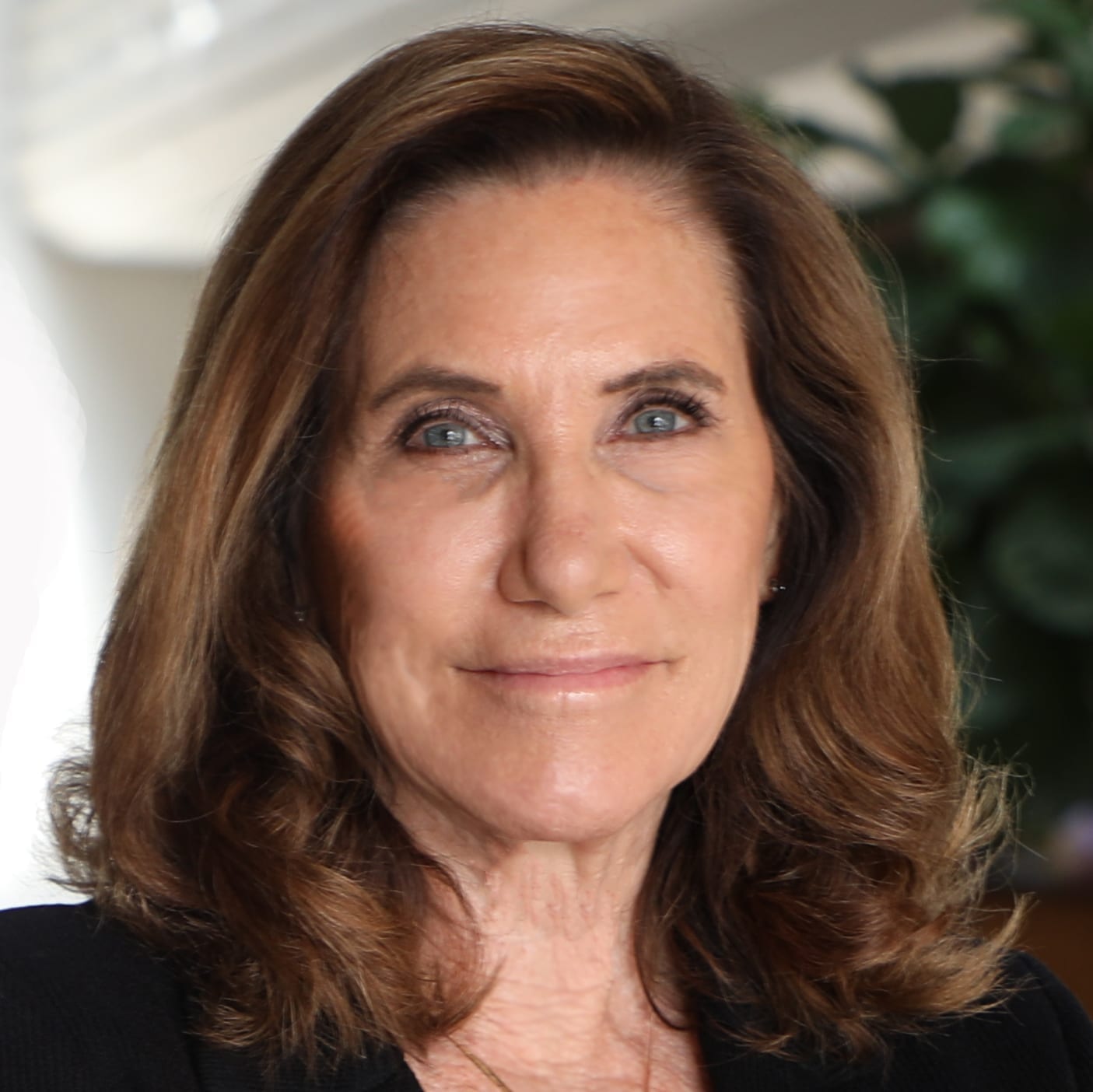
Pamela Rutledge, PhD, MBA is the Director of the Media Psychology Research Center. A consultant, author, speaker, and professor, she consults on a variety of media projects developing audience engagement and brand storytelling strategies.

Leave a reply

Your email address will not be published. Required fields are marked *

This site uses Akismet to reduce spam. Learn how your comment data is processed.

FOR THE PRESS

Dr. Pam Rutledge, media psychologistDr. Pamela Rutledge is available to reporters for comments on the psychological and social impact of media and technology on individuals, society, organizations and brands.  pamelarutledge@gmail.com

SEARCH THE SITE

RECENT POSTS

  • Do You Want Your Kids Arguing Like a Politician?
  • U.S. Politics Look Like a Bad Marriage
  • We’re Being Played: Propaganda, Memes and War
  • The Legacy of Daytime Talk Shows Lives in Your Feed
  • Oprah's High Road: Diverging Paths in Daytime Talk Shows

MEDIA PSYCHOLOGY RESEARCH

The Media Psychology Research Center (MPRC) is an independent research organization directed by Dr. Pam Rutledge.  Read about MPRC at www.mprcenter.org.

CONSULTING PROJECTS

Dr. Rutledge consults on a variety of media projects using psychology to translate data into human behavior for powerful results.

  • Parenting in a Digital World webinar series
  • Persona Development for audience segmentation
  • Fan and Audience Engagement: Identifying audience narratives to satisfy needs
  • Brand Storytelling: Supercharging brand meaning

RECENT POSTS

  • Do You Want Your Kids Arguing Like a Politician?
  • U.S. Politics Look Like a Bad Marriage
  • We’re Being Played: Propaganda, Memes and War
  • The Legacy of Daytime Talk Shows Lives in Your Feed
  • Oprah's High Road: Diverging Paths in Daytime Talk Shows

SEARCH

Content copyright Pamela Rutledge 2026.