DR. PAM | MEDIA PSYCHOLOGIST
THE PSYCHOLOGY OF DIGITAL BEHAVIORS
  • Home
  • Blog
  • About
    • About Dr. Pamela Rutledge
    • Media Psychology
      • What Is A Media Psychologist?
      • 8 Reasons Why We Need Media Psychology
      • Careers in Media Psychology
      • Example Careers in Media Psychology
      • Media Psychology at Fielding Graduate University
      • Positive Media Psychology
    • MPRC
      • Media Psychology Research Center
    • Media Psychology Review
  • Consulting
    • Speaking & Consulting
    • Audience Engagement: Why Use Personas?
      • How to Build a Persona
    • Adapting to Change
    • Transmedia Storytelling
      • Storytelling Across Platforms
      • Transmedia Storytelling Starts with the Power of Story
      • Our Transmedia World
      • Transmedia Case Study: The Three Little Pigs
      • Transmedia Storytelling Workshop
  • Story Power
    • Brand Storytelling
    • Storytelling: Brands, Entertainment & Organizations
      • Storytelling for Organizations
      • Core Story: Case Study
  • In the News
    • Press Quotes & Interviews 2022-2025
    • 2021-2019
    • 2018-2016
    • 2016-2017
    • 2015-2013
    • 2012 & EARLIER
    • Video Interviews & Webinars
  • Resources
    • Mindful Media & Digital Literacy
      • Positive Media Psychology
      • Benefits of Video Games Part 1
      • Benefits of Video Games Part 2
      • Benefits of Video Games Part 3
      • Becoming Mindful: Exercises
      • Mindful Media Journal
    • Academic Materials
      • Media Psychology Syllabus 2021
      • Media Psychology Syllabus 2012
      • Media Psychology Syllabus 2015
    • Articles
      • Persuasion & Augmented Reality
      • Psychology of Transmedia Engagement
      • Theories of Attention
      • The Psychology of Color
      • Website Design: How to Use Psych Theory
      • Data Strategy: Listen to Your Consumers’ Stories
      • The Psychology of Story
  • Archives
  • Contact
DR. PAM | MEDIA PSYCHOLOGIST
  • Home
  • Blog
  • About
    • About Dr. Pamela Rutledge
    • Media Psychology
      • What Is A Media Psychologist?
      • 8 Reasons Why We Need Media Psychology
      • Careers in Media Psychology
      • Example Careers in Media Psychology
      • Media Psychology at Fielding Graduate University
      • Positive Media Psychology
    • MPRC
      • Media Psychology Research Center
    • Media Psychology Review
  • Consulting
    • Speaking & Consulting
    • Audience Engagement: Why Use Personas?
      • How to Build a Persona
    • Adapting to Change
    • Transmedia Storytelling
      • Storytelling Across Platforms
      • Transmedia Storytelling Starts with the Power of Story
      • Our Transmedia World
      • Transmedia Case Study: The Three Little Pigs
      • Transmedia Storytelling Workshop
  • Story Power
    • Brand Storytelling
    • Storytelling: Brands, Entertainment & Organizations
      • Storytelling for Organizations
      • Core Story: Case Study
  • In the News
    • Press Quotes & Interviews 2022-2025
    • 2021-2019
    • 2018-2016
    • 2016-2017
    • 2015-2013
    • 2012 & EARLIER
    • Video Interviews & Webinars
  • Resources
    • Mindful Media & Digital Literacy
      • Positive Media Psychology
      • Benefits of Video Games Part 1
      • Benefits of Video Games Part 2
      • Benefits of Video Games Part 3
      • Becoming Mindful: Exercises
      • Mindful Media Journal
    • Academic Materials
      • Media Psychology Syllabus 2021
      • Media Psychology Syllabus 2012
      • Media Psychology Syllabus 2015
    • Articles
      • Persuasion & Augmented Reality
      • Psychology of Transmedia Engagement
      • Theories of Attention
      • The Psychology of Color
      • Website Design: How to Use Psych Theory
      • Data Strategy: Listen to Your Consumers’ Stories
      • The Psychology of Story
  • Archives
  • Contact
Jul 18

Why You Should Create Personas for Your Marketing Strategy

  • July 18, 2019
  • Pamela Rutledge
  • No Comments

A persona is an embodiment of the consumer’s story.  Every individual has a story. It is how we make sense of the world and how we decide what products to use, what organization to join and what ideas to embrace.

Your story and your customer’s story are different.  Building a persona forces you to step outside yourself and look with new eyes.
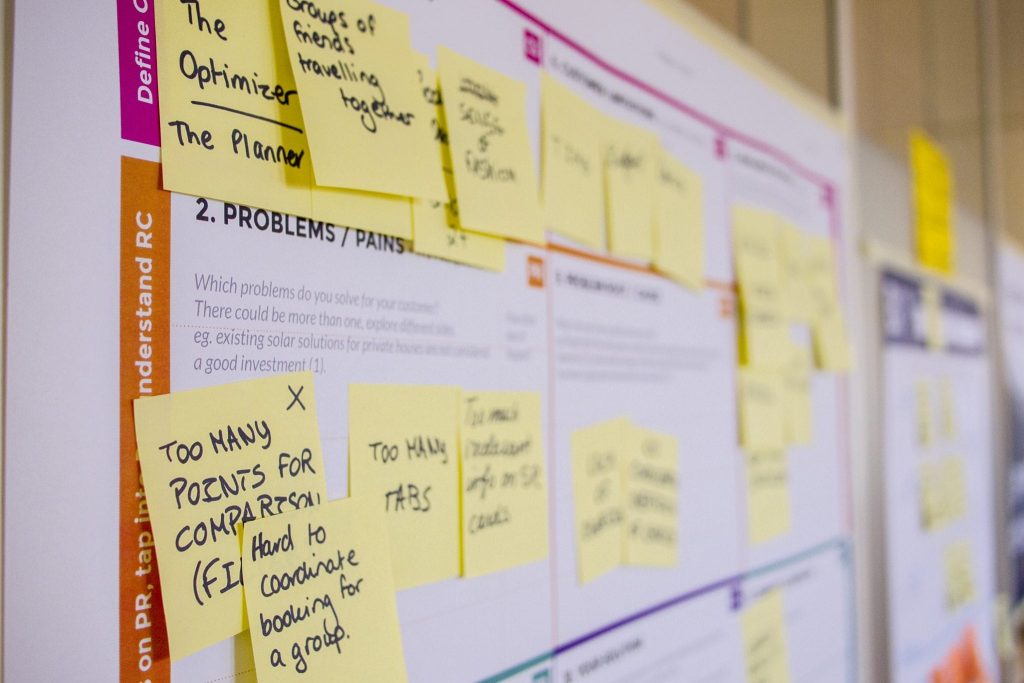
Applying psychological theory to the construction, research and design of a persona, shifts away from data and numbers and focuses on the human.  You learn to feel, hear and empathize with your customer rather than rely on psychographics and statistics.

A meaningful persona integrates a narrative framework and the theories central to human behavior, such as identity, intrinsic and extrinsic motivation, social influences, mental models and schema, and framing and cognitive biases. These are the building blocks that allow us to dissect and evaluate the research that informs a useful persona.

Creating a persona

The first step is to explore your assumptions about your audience. We all have an image or idea of who our target customer really is–sometimes without realizing it. The persona forces us to articulate those assumptions in a descriptive and specific way. Personas aren’t averages.  They are  people.  They aren’t 18 to 23. They are either 18 or 23.

Laying out your assumptions does some very important things:

  • It exposes any gaps in your assumptions,
  • It allows people to compare assumptions so they can better align efforts
  • A persona gives you something to test to see if your assumptions about who you think you’re talking to are correct.
  • Most important: It forces you to think outside yourself

Some people have been surprised to find out that they need to change their persona altogether compared to their assumptions.

Personas: Finding goals, needs and motivations

Once you have the initial assumptions, you can think about the persona’s goals, needs and motivations.  Psychological theories provide insight as to how and where they might apply and the impact they may have.   These nuances add depth to your assumptions and give you baseline behaviors to test.

Hide and seek, bend and stretch

With a persona, it is much easier to anticipate communication patterns and think about where you might intersect with your primary audience. The research process allows you to test your initial assumptions about things like where people hang out.

At the same time, you start to listen to their thoughts and concerns about the things related to your product or cause.  Influences, attitudes and trends comes from multiple sources.  Think about how your persona’s internal needs and goals interact with external forces, such as peers, family, social trends and global events.  

For example, directly after 9/11, the sale of wedding rings skyrocketed.  That makes perfect sense through the lens of psychology.  After 9/11, people were more fearful as the world seemed chaotic in the face of senseless violence.  Therefore, many were motivated to find and strengthen bonds of affection and social connection to restore comfort, security and a sense of order.  Getting married was the solution.

Using a qualitative approach to persona research adds more insight into the things that matter most to your audience.  Adding qualitative analysis allows you to craft your persona’s story and build strategy that will resonate with your audience and fit their needs.

Photo by Daria Nepriakhina on Unsplash

  • Facebook
  • Twitter
  • Reddit
  • LinkedIn
  • E-Mail

About The Author

Pamela Rutledge, PhD, MBA is the Director of the Media Psychology Research Center. A consultant, author, speaker, and professor, she consults on a variety of media projects developing audience engagement and brand storytelling strategies.

Leave a reply

Your email address will not be published. Required fields are marked *

This site uses Akismet to reduce spam. Learn how your comment data is processed.

FOR THE PRESS

Dr. Pam Rutledge, media psychologistDr. Pamela Rutledge is available to reporters for comments on the psychological and social impact of media and technology on individuals, society, organizations and brands.  pamelarutledge@gmail.com

SEARCH THE SITE

RECENT POSTS

  • The Legacy of Daytime Talk Shows Lives in Your Feed
  • Oprah's High Road: Diverging Paths in Daytime Talk Shows
  • Daytime Talk Shows: Why We Couldn’t Look Away
  • FAFO Parenting: Letting Kids Learn the Hard Way
  • Meta Is Using Your AI Chats to “Personalize Your Experience”

MEDIA PSYCHOLOGY RESEARCH

The Media Psychology Research Center (MPRC) is an independent research organization directed by Dr. Pam Rutledge.  Read about MPRC at www.mprcenter.org.

CONSULTING PROJECTS

Dr. Rutledge consults on a variety of media projects using psychology to translate data into human behavior for powerful results.

  • Parenting in a Digital World webinar series
  • Persona Development for audience segmentation
  • Fan and Audience Engagement: Identifying audience narratives to satisfy needs
  • Brand Storytelling: Supercharging brand meaning

RECENT POSTS

  • The Legacy of Daytime Talk Shows Lives in Your Feed
  • Oprah's High Road: Diverging Paths in Daytime Talk Shows
  • Daytime Talk Shows: Why We Couldn’t Look Away
  • FAFO Parenting: Letting Kids Learn the Hard Way
  • Meta Is Using Your AI Chats to “Personalize Your Experience”

SEARCH

Content copyright Pamela Rutledge 2026.