DR. PAM | MEDIA PSYCHOLOGIST
THE PSYCHOLOGY OF DIGITAL BEHAVIORS
  • Home
  • Blog
  • About
    • About Dr. Pamela Rutledge
    • Media Psychology
      • What Is A Media Psychologist?
      • 8 Reasons Why We Need Media Psychology
      • Careers in Media Psychology
      • Example Careers in Media Psychology
      • Media Psychology at Fielding Graduate University
      • Positive Media Psychology
    • MPRC
      • Media Psychology Research Center
    • Media Psychology Review
  • Consulting
    • Speaking & Consulting
    • Audience Engagement: Why Use Personas?
      • How to Build a Persona
    • Adapting to Change
    • Transmedia Storytelling
      • Storytelling Across Platforms
      • Transmedia Storytelling Starts with the Power of Story
      • Our Transmedia World
      • Transmedia Case Study: The Three Little Pigs
      • Transmedia Storytelling Workshop
  • Story Power
    • Brand Storytelling
    • Storytelling: Brands, Entertainment & Organizations
      • Storytelling for Organizations
      • Core Story: Case Study
  • In the News
    • Press Quotes & Interviews 2022-2025
    • 2021-2019
    • 2018-2016
    • 2016-2017
    • 2015-2013
    • 2012 & EARLIER
    • Video Interviews & Webinars
  • Resources
    • Mindful Media & Digital Literacy
      • Positive Media Psychology
      • Benefits of Video Games Part 1
      • Benefits of Video Games Part 2
      • Benefits of Video Games Part 3
      • Becoming Mindful: Exercises
      • Mindful Media Journal
    • Academic Materials
      • Media Psychology Syllabus 2021
      • Media Psychology Syllabus 2012
      • Media Psychology Syllabus 2015
    • Articles
      • Persuasion & Augmented Reality
      • Psychology of Transmedia Engagement
      • Theories of Attention
      • The Psychology of Color
      • Website Design: How to Use Psych Theory
      • Data Strategy: Listen to Your Consumers’ Stories
      • The Psychology of Story
  • Archives
  • Contact
DR. PAM | MEDIA PSYCHOLOGIST
  • Home
  • Blog
  • About
    • About Dr. Pamela Rutledge
    • Media Psychology
      • What Is A Media Psychologist?
      • 8 Reasons Why We Need Media Psychology
      • Careers in Media Psychology
      • Example Careers in Media Psychology
      • Media Psychology at Fielding Graduate University
      • Positive Media Psychology
    • MPRC
      • Media Psychology Research Center
    • Media Psychology Review
  • Consulting
    • Speaking & Consulting
    • Audience Engagement: Why Use Personas?
      • How to Build a Persona
    • Adapting to Change
    • Transmedia Storytelling
      • Storytelling Across Platforms
      • Transmedia Storytelling Starts with the Power of Story
      • Our Transmedia World
      • Transmedia Case Study: The Three Little Pigs
      • Transmedia Storytelling Workshop
  • Story Power
    • Brand Storytelling
    • Storytelling: Brands, Entertainment & Organizations
      • Storytelling for Organizations
      • Core Story: Case Study
  • In the News
    • Press Quotes & Interviews 2022-2025
    • 2021-2019
    • 2018-2016
    • 2016-2017
    • 2015-2013
    • 2012 & EARLIER
    • Video Interviews & Webinars
  • Resources
    • Mindful Media & Digital Literacy
      • Positive Media Psychology
      • Benefits of Video Games Part 1
      • Benefits of Video Games Part 2
      • Benefits of Video Games Part 3
      • Becoming Mindful: Exercises
      • Mindful Media Journal
    • Academic Materials
      • Media Psychology Syllabus 2021
      • Media Psychology Syllabus 2012
      • Media Psychology Syllabus 2015
    • Articles
      • Persuasion & Augmented Reality
      • Psychology of Transmedia Engagement
      • Theories of Attention
      • The Psychology of Color
      • Website Design: How to Use Psych Theory
      • Data Strategy: Listen to Your Consumers’ Stories
      • The Psychology of Story
  • Archives
  • Contact
Apr 16

Why Not YouEd?

  • April 16, 2007
  • Pamela Rutledge
  • No Comments

Why not YouEd? This article “Young Americans Have Fallen In Love With Streaming Video, Thanks To YouTube And Other Video File Sharing Websites” made me think that as technology evolves and people’s experiences and preferences shift, it opens new ways to think outside the ivy halls. Streaming video could have huge ramifications for getting education to people who can’t afford traditional (or even distributed) learning programs. Totally on demand and you don’t have to “get it” the first time around. There’s no reason why traditional classroom lectures (though admittedly not always riveting) can’t be taped and made available. Actually, I be surprised if you didn’t get lots of professors/teachers volunteering all kinds of lectures, but this exposes my bias that professors enjoy having large audiences. As I have been known to mention from my soapbox, there are busboys in Dubai learning engineering online from the Indira Ghandi free university satellite broadcasts. When they’re ready, they go to New Delhi and take the exams. What’s our problem? Teachers unions notwithstanding, we should be doing everything possible to make education accessible and cheap, not to mention interesting and valued, to everyone in the U.S. (legal or otherwise). This would be a small nut in the entitlements budget. It’s in our best interest as a society.

My daughter, who is finishing her MA in Elementary Ed at Teacher’s College, tells me that technologies much more basic and prosaic than online learning environments are well ahead of many teachers. She notes that while many things are being offered online, the common question within the teacher training world is whether passive learning is effective as a large part of elementary curriculums advocate active learning.

I agree that online experiences are not as good as person to person learning (or pretty much any other kind of real versus virtual experience). On the other hand, in lieu of nothing, it has a lot of appeal. I think the US and its institutions have fallen into the trap of designing from within the existing model, which makes sense if you have a vested interest in maintaining the model or if you never thought about it in any other way. But the larger problem to me is that large parts of the US population, especially youth, are not interested in education, don’t see its relationship to opportunity, and worse, feel that learning is not cool. Is this attitude toward education a by-product of the sixties counter-culture or the sense of entitlement of a fairly rich country? Whatever the source, these attitudes continue to exist and many are paying the price because the system has not really evolved with society. We seem to be content to address educational issues by tinkering with the old model and the same toolbox. I think healthcare has been more successful in using online education because of the more compelling motivation on the part of the user. It is always an issue of where (or if) to set the bar–requiring a standard of quality versus withholding the information/service. Nevertheless, I don’t think we, as a society, promote new media as a viable means of delivering teaching. In fact I think there is a lot of resistance toward new media. You’d think those of us baby boomers who couldn’t understand why our parents didn’t get the Beatles wouldn’t be so freaked out when our kids play video games. (Yes, I admit, guilty as charged.) But this reticience to embrace new media is in spite of the fact that many kids, teens, and Gen Y are doing the bulk of their “learning” online in one capacity or the other. I guess I might argue that it’s better to swim badly than not get in the pool. Otherwise, this next generation of kids, especially those on track for blue collar jobs, are going to face severe economic disappointment competing with kids from places like China and India who are hungry for opportunity.

  • Facebook
  • Twitter
  • Reddit
  • LinkedIn
  • E-Mail

About The Author

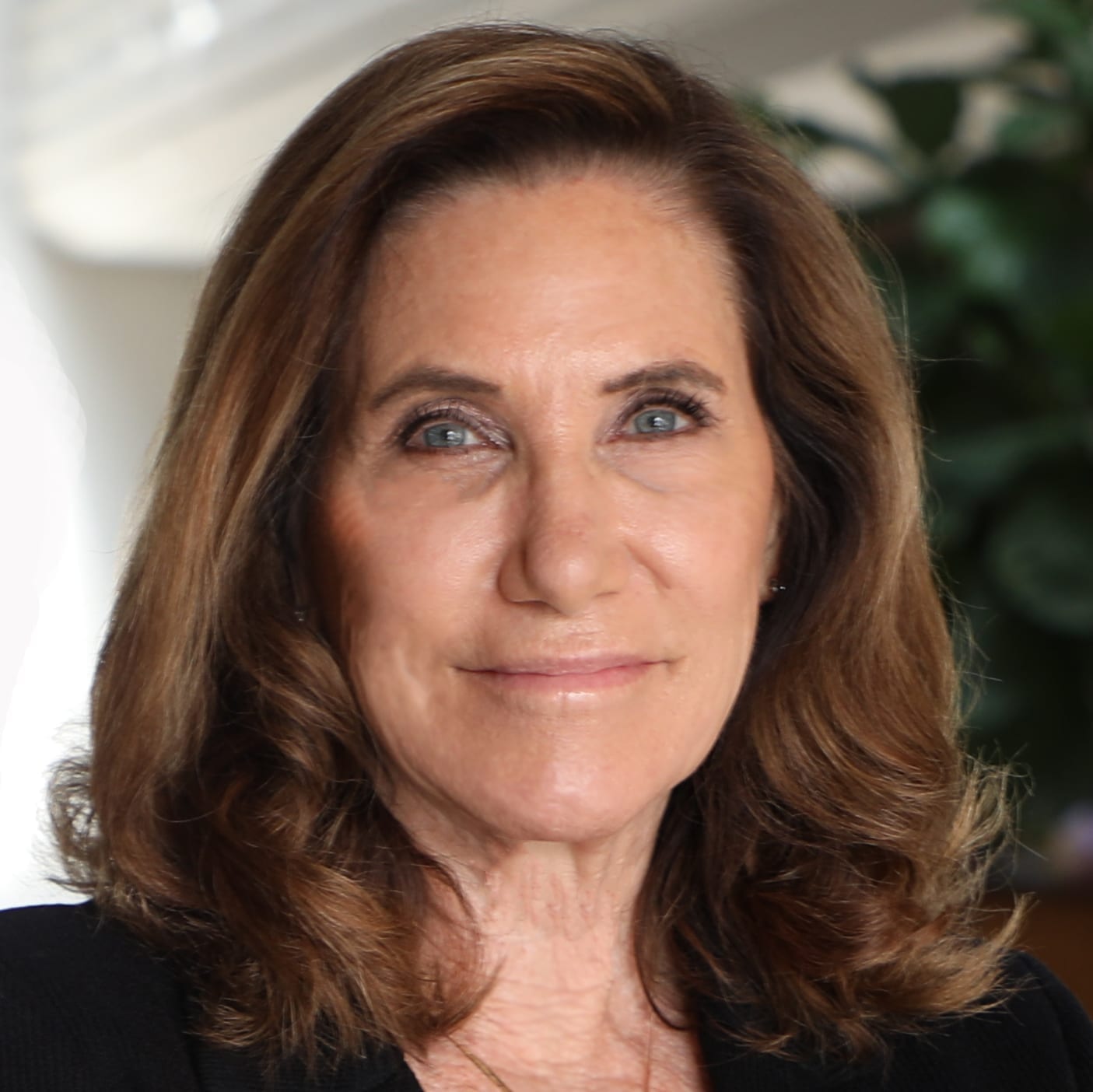
Pamela Rutledge, PhD, MBA is the Director of the Media Psychology Research Center. A consultant, author, speaker, and professor, she consults on a variety of media projects developing audience engagement and brand storytelling strategies.

Leave a reply

Your email address will not be published. Required fields are marked *

This site uses Akismet to reduce spam. Learn how your comment data is processed.

FOR THE PRESS

Dr. Pam Rutledge, media psychologistDr. Pamela Rutledge is available to reporters for comments on the psychological and social impact of media and technology on individuals, society, organizations and brands.  pamelarutledge@gmail.com

SEARCH THE SITE

RECENT POSTS

  • The Legacy of Daytime Talk Shows Lives in Your Feed
  • Oprah's High Road: Diverging Paths in Daytime Talk Shows
  • Daytime Talk Shows: Why We Couldn’t Look Away
  • FAFO Parenting: Letting Kids Learn the Hard Way
  • Meta Is Using Your AI Chats to “Personalize Your Experience”

MEDIA PSYCHOLOGY RESEARCH

The Media Psychology Research Center (MPRC) is an independent research organization directed by Dr. Pam Rutledge.  Read about MPRC at www.mprcenter.org.

CONSULTING PROJECTS

Dr. Rutledge consults on a variety of media projects using psychology to translate data into human behavior for powerful results.

  • Parenting in a Digital World webinar series
  • Persona Development for audience segmentation
  • Fan and Audience Engagement: Identifying audience narratives to satisfy needs
  • Brand Storytelling: Supercharging brand meaning

RECENT POSTS

  • The Legacy of Daytime Talk Shows Lives in Your Feed
  • Oprah's High Road: Diverging Paths in Daytime Talk Shows
  • Daytime Talk Shows: Why We Couldn’t Look Away
  • FAFO Parenting: Letting Kids Learn the Hard Way
  • Meta Is Using Your AI Chats to “Personalize Your Experience”

SEARCH

Content copyright Pamela Rutledge 2026.