
- We watch shows for themes and characters that resonate emotionally, not setting
- Shows about work are really about relationships, power dynamics, and moral values
- In times of disruption, shows provide comfort, escapism, and reaffirm order and connections to characters can help us reflect on what we find meaningful in our lives
Going by ratings, Americans are obsessed with watching shows about work. Just as many return to the office, new hit shows, such as Succession, Severance, Industry, The Bear, Inventing Anna, and The Dropout, are all about navigating or being driven by professional success. When we were stuck at home, The Office was the most popular streamed TV. Why would we want to be on the job all day—at home or in the office–and come home and watch shows about work?
While it might seem that these shows share a common topic, the appeal of programming tends to reflect deeper themes. Shows like the Office, like Cheers and Friends, aren’t really about work. They are about relationships. Like all good comedies, they tackle real experiences with humor and warmth. The characters are quirky, funny, familiar, lovable for all their foibles, and reliably ‘in character.’ These shows are ways to restore feelings of comfort and “being around friends,”, especially during periods of social isolation like the pandemic.
Professional Success and Comeuppance in a Just World
The popular mini-series, The Dropout and Inventing Anna, aren’t about work, but they reflect a closely aligned theme: Professional success. These are shows about people who broke the rules and took advantage of social vulnerabilities, such as the desire for money and status, transgressing moral values by conning their way to success. In both cases, they were caught and punished. Shows like these can be reassuring during times of disruption and fear—when it feels like the “rules of life” have changed. Exposing these characters as manipulators and con artists does a couple of things people really like: it pulls superstars off pedestals and exposes them as mere mortals, which makes us feel a lot better about our own level of achievement. It also reaffirms our innate cognitive bias of a “just world,” that good things happen to good people, and bad people are caught and punished. They provide psychological comfort that there is still some order in the world—especially when it seems like everything’s going to hell in a handbasket, as my grandmother used to say.
Shows like Succession are soap operas in a business setting, similar to the dynamics of Empire, Mad Men, Dynasty, and Dallas. This is not a criticism. They are not about work; they are about people. These shows can be incredibly engaging—and even “addictive”–because they activate our emotions through melodramatic patterns, archetypal characters, and high conflict. Archetypal roles let us connect quickly with these characters because they represent a set of patterns that we easily recognize that communicate a character’s basic qualities and purpose. Skilled acting makes characters more compelling, and good writing lets them build depth and nuance, but by then, you’re already hooked. Like genres, archetypes don’t prescribe the plot, but they establish expectations and boundaries. The escapist value of these shows is enhanced by the high emotional valence and a sense of connection. Connections to characters can also offer emotional rewards as they enable people to reflect on situations, behaviors, and outcomes relative to aspects of their own lives and to what they find meaningful—interpersonal relationships, aspirational goals, and power.
Does Working-From-Home Make You Crave Watching Shows About Work?
Many have suggested that working at home in your pajamas creates an unfulfilled interpersonal need due to the lack of social contact that being at work used to provide. Do these work-related shows reflect our longing for social connection and a shared purpose?
Most shows about work are more about the need to manage uncertainty and connect with others. We all need some amount of social connection. Multiple psychological theories emphasize the importance of connection and belonging. Our tolerance for work-related social environments varies with our personality and, perhaps more importantly, the office culture and type of work. However, sharing a common purpose matters, but being part of a team when working remotely may actually increase the sense of connectedness compared to working in an office on a project alone.
The Remote Work Trade-off: Freedom vs. Connection
There are always trade-offs. The work-from-home trend is interesting in that it pits two core needs against one another: the need for agency against that of social connection. The “Great Resignation” was a giant “wait just a minute!” While not everyone has the means or freedom to do so, the pandemic has encouraged many people to rethink how they were living, examine their behavior against their priorities and values and reset by making intentional choices. Some people would choose to maintain professional autonomy and satisfy the need for social connection outside of work. Others feel they benefit from in-person collaboration or are energized by the presence of others.
In the evolving landscape of work, remote recruitment services have become a critical component for companies seeking to navigate the balance between agency and connection. Organizations are increasingly turning to platforms like Remotely Talents to streamline their hiring processes and tap into a global talent pool. This shift allows businesses to find individuals who are not only skilled but also align with their values, all while accommodating the diverse needs of potential employees. By leveraging remote recruitment, companies can enhance their reach and inclusivity, fostering a work environment that supports autonomy and flexibility.
The show Severance is a perfectly uncomfortable metaphor for the challenge of managing life-work balance. It shows the dangers of abdicating choice and work becoming mindless, impersonal, and by extension, meaningless, raising the ante on questioning organizational structures and, not surprisingly, the importance of self-knowledge, tenacity, and social connection.

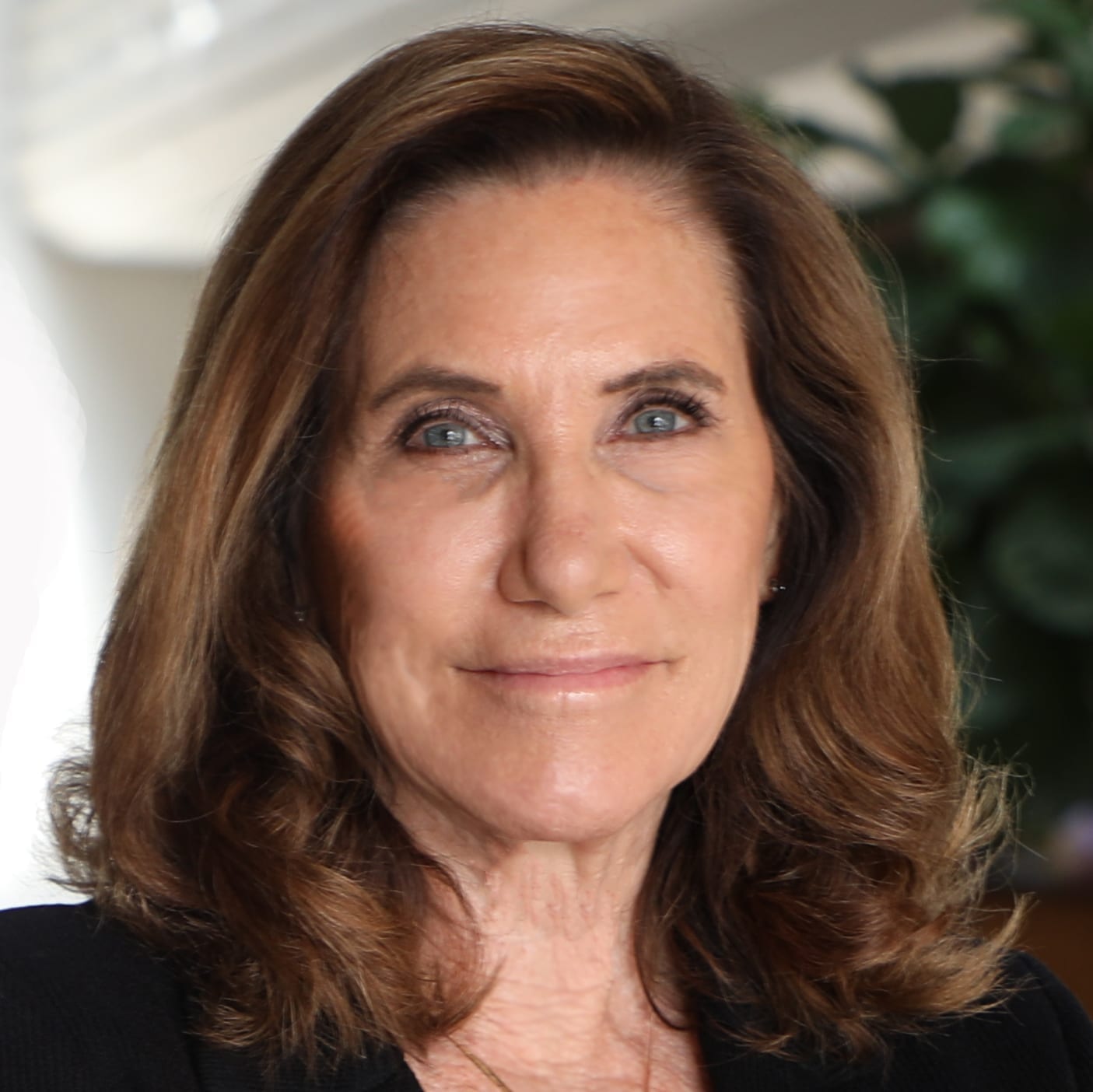 Dr. Pamela Rutledge is available to reporters for comments on the psychological and social impact of media and technology on individuals, society, organizations and brands.