DR. PAM | MEDIA PSYCHOLOGIST
THE PSYCHOLOGY OF DIGITAL BEHAVIORS
  • Home
  • Blog
  • About
    • About Dr. Pamela Rutledge
    • Media Psychology
      • What Is A Media Psychologist?
      • 8 Reasons Why We Need Media Psychology
      • Careers in Media Psychology
      • Example Careers in Media Psychology
      • Media Psychology at Fielding Graduate University
      • Positive Media Psychology
    • MPRC
      • Media Psychology Research Center
    • Media Psychology Review
  • Consulting
    • Speaking & Consulting
    • Audience Engagement: Why Use Personas?
      • How to Build a Persona
    • Adapting to Change
    • Transmedia Storytelling
      • Storytelling Across Platforms
      • Transmedia Storytelling Starts with the Power of Story
      • Our Transmedia World
      • Transmedia Case Study: The Three Little Pigs
      • Transmedia Storytelling Workshop
  • Story Power
    • Brand Storytelling
    • Storytelling: Brands, Entertainment & Organizations
      • Storytelling for Organizations
      • Core Story: Case Study
  • In the News
    • Press Quotes & Interviews 2022-2025
    • 2021-2019
    • 2018-2016
    • 2016-2017
    • 2015-2013
    • 2012 & EARLIER
    • Video Interviews & Webinars
  • Resources
    • Mindful Media & Digital Literacy
      • Positive Media Psychology
      • Benefits of Video Games Part 1
      • Benefits of Video Games Part 2
      • Benefits of Video Games Part 3
      • Becoming Mindful: Exercises
      • Mindful Media Journal
    • Academic Materials
      • Media Psychology Syllabus 2021
      • Media Psychology Syllabus 2012
      • Media Psychology Syllabus 2015
    • Articles
      • Persuasion & Augmented Reality
      • Psychology of Transmedia Engagement
      • Theories of Attention
      • The Psychology of Color
      • Website Design: How to Use Psych Theory
      • Data Strategy: Listen to Your Consumers’ Stories
      • The Psychology of Story
  • Archives
  • Contact
DR. PAM | MEDIA PSYCHOLOGIST
  • Home
  • Blog
  • About
    • About Dr. Pamela Rutledge
    • Media Psychology
      • What Is A Media Psychologist?
      • 8 Reasons Why We Need Media Psychology
      • Careers in Media Psychology
      • Example Careers in Media Psychology
      • Media Psychology at Fielding Graduate University
      • Positive Media Psychology
    • MPRC
      • Media Psychology Research Center
    • Media Psychology Review
  • Consulting
    • Speaking & Consulting
    • Audience Engagement: Why Use Personas?
      • How to Build a Persona
    • Adapting to Change
    • Transmedia Storytelling
      • Storytelling Across Platforms
      • Transmedia Storytelling Starts with the Power of Story
      • Our Transmedia World
      • Transmedia Case Study: The Three Little Pigs
      • Transmedia Storytelling Workshop
  • Story Power
    • Brand Storytelling
    • Storytelling: Brands, Entertainment & Organizations
      • Storytelling for Organizations
      • Core Story: Case Study
  • In the News
    • Press Quotes & Interviews 2022-2025
    • 2021-2019
    • 2018-2016
    • 2016-2017
    • 2015-2013
    • 2012 & EARLIER
    • Video Interviews & Webinars
  • Resources
    • Mindful Media & Digital Literacy
      • Positive Media Psychology
      • Benefits of Video Games Part 1
      • Benefits of Video Games Part 2
      • Benefits of Video Games Part 3
      • Becoming Mindful: Exercises
      • Mindful Media Journal
    • Academic Materials
      • Media Psychology Syllabus 2021
      • Media Psychology Syllabus 2012
      • Media Psychology Syllabus 2015
    • Articles
      • Persuasion & Augmented Reality
      • Psychology of Transmedia Engagement
      • Theories of Attention
      • The Psychology of Color
      • Website Design: How to Use Psych Theory
      • Data Strategy: Listen to Your Consumers’ Stories
      • The Psychology of Story
  • Archives
  • Contact
Dec 04

“The Simpsons” Make the World a Better Place

  • December 4, 2008
  • Pamela Rutledge
  • No Comments

I am always looking for how to put the power of media technologies to work to make the world a better place.  Wouldn’t it be great if we didn’t need to use so much energy hating some other person, group or country?  If our lives are essentially the expenditure of energy over time, think about how much energy that would leave left over for stuff we wanted to do!

The following is a great example.  The Council on American-Islamic Relations (CAIR) is a civil rights watch group.  CAIR has thanked Matt Groenig of Fox’s “The Simpsons” for an episode that challenges negative stereotypes.  Shows like this can do a great service because they start to normalize more accepting beliefs.  Often efforts to do the right thing are so grim and heavy-handed that they end up preaching to the choir, as the expression goes.  If you directly assault someone’s beliefs, it is more likely to close their ears than open their eyes.  I like to think of effective education as, to quote novelist Nancy Mitford, as the thin edge of the wedge: prying open enough of a gap in a person’s cognitive map to let some new perspectives in.  Well done Simpsons and well done Fox for supporting this kind of programming.

Source: CAIR.com

Source: CAIR.com

CAIR Thanks Fox for ‘Simpsons’ Episode Challenging Islamophobia
(LOS ANGELES, CA, 12/3/08) – The Council on American-Islamic Relations (CAIR) today called on American Muslims and other people of conscience to thank the Fox television network and the creator of “The Simpsons” for a recent episode that used comedy to challenge Islamophobia. The episode, which aired Sunday evening and is titled “Mypods and Boomsticks,” highlights anti-Muslim sentiment by featuring a young Muslim character named Bashir and his family who face prejudice after moving to Springfield. In the program, Homer Simpson wrongly suspects that Bashir’s family is involved in a terror plot. Bart Simpson befriends Bashir and defends him from bullies. To view the entire episode, click here.
CAIR’s Greater Los Angeles Area office (CAIR-LA) sent a letter to the show’s creator Matt Groening thanking him for challenging anti-Muslim prejudice. (CAIR letter to Matt Groenig in PDF) The letter said Sunday’s episode “brought to light how Americans can work toward mutual respect and inclusion by getting to know their neighbors.” It went on to state: “The episode also builds on the values that have made America the great nation it is  a nation in which citizenship is about finding common ground and building a better society. American Muslims have been doing just that by making daily contributions to our society that often go unrecognized.” “Because of its acceptance in popular culture, comedy is often one of the best vehicles for challenging stereotypes and intolerance,” said CAIR Executive Director Nihad Awad. “Fox and Matt Groening are to be congratulated for tackling the disturbing phenomenon of Islamophobia.”

  • Facebook
  • Twitter
  • Reddit
  • LinkedIn
  • E-Mail

About The Author

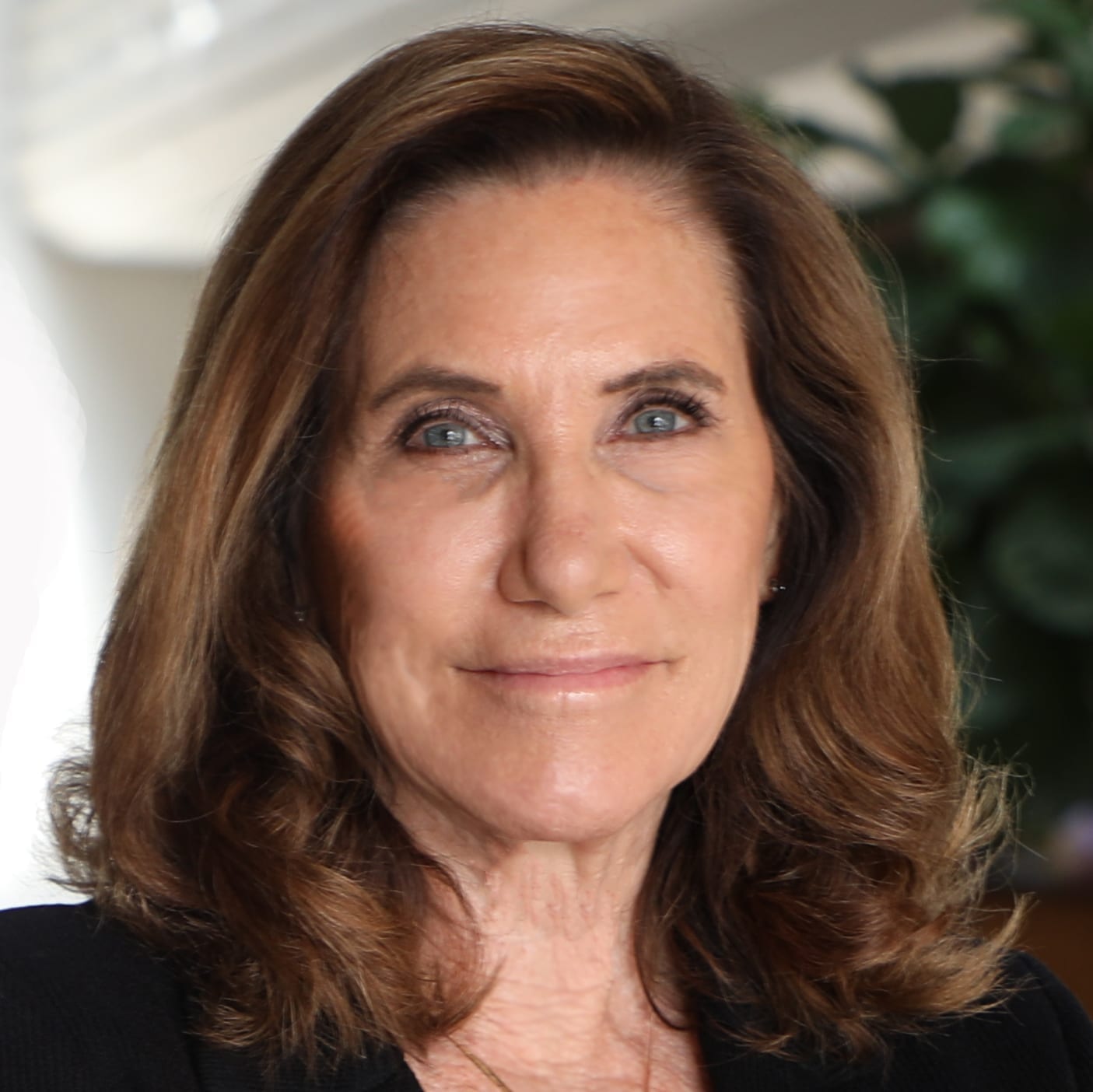
Pamela Rutledge, PhD, MBA is the Director of the Media Psychology Research Center. A consultant, author, speaker, and professor, she consults on a variety of media projects developing audience engagement and brand storytelling strategies.

Leave a reply

Your email address will not be published. Required fields are marked *

This site uses Akismet to reduce spam. Learn how your comment data is processed.

FOR THE PRESS

Dr. Pam Rutledge, media psychologistDr. Pamela Rutledge is available to reporters for comments on the psychological and social impact of media and technology on individuals, society, organizations and brands.  pamelarutledge@gmail.com

SEARCH THE SITE

RECENT POSTS

  • The Legacy of Daytime Talk Shows Lives in Your Feed
  • Oprah's High Road: Diverging Paths in Daytime Talk Shows
  • Daytime Talk Shows: Why We Couldn’t Look Away
  • FAFO Parenting: Letting Kids Learn the Hard Way
  • Meta Is Using Your AI Chats to “Personalize Your Experience”

MEDIA PSYCHOLOGY RESEARCH

The Media Psychology Research Center (MPRC) is an independent research organization directed by Dr. Pam Rutledge.  Read about MPRC at www.mprcenter.org.

CONSULTING PROJECTS

Dr. Rutledge consults on a variety of media projects using psychology to translate data into human behavior for powerful results.

  • Parenting in a Digital World webinar series
  • Persona Development for audience segmentation
  • Fan and Audience Engagement: Identifying audience narratives to satisfy needs
  • Brand Storytelling: Supercharging brand meaning

RECENT POSTS

  • The Legacy of Daytime Talk Shows Lives in Your Feed
  • Oprah's High Road: Diverging Paths in Daytime Talk Shows
  • Daytime Talk Shows: Why We Couldn’t Look Away
  • FAFO Parenting: Letting Kids Learn the Hard Way
  • Meta Is Using Your AI Chats to “Personalize Your Experience”

SEARCH

Content copyright Pamela Rutledge 2026.