DR. PAM | MEDIA PSYCHOLOGIST
THE PSYCHOLOGY OF DIGITAL BEHAVIORS
  • Home
  • Blog
  • About
    • About Dr. Pamela Rutledge
    • Media Psychology
      • What Is A Media Psychologist?
      • 8 Reasons Why We Need Media Psychology
      • Careers in Media Psychology
      • Example Careers in Media Psychology
      • Media Psychology at Fielding Graduate University
      • Positive Media Psychology
    • MPRC
      • Media Psychology Research Center
    • Media Psychology Review
  • Consulting
    • Speaking & Consulting
    • Audience Engagement: Why Use Personas?
      • How to Build a Persona
    • Adapting to Change
    • Transmedia Storytelling
      • Storytelling Across Platforms
      • Transmedia Storytelling Starts with the Power of Story
      • Our Transmedia World
      • Transmedia Case Study: The Three Little Pigs
      • Transmedia Storytelling Workshop
  • Story Power
    • Brand Storytelling
    • Storytelling: Brands, Entertainment & Organizations
      • Storytelling for Organizations
      • Core Story: Case Study
  • In the News
    • Press Quotes & Interviews 2022-2025
    • 2021-2019
    • 2018-2016
    • 2016-2017
    • 2015-2013
    • 2012 & EARLIER
    • Video Interviews & Webinars
  • Resources
    • Mindful Media & Digital Literacy
      • Positive Media Psychology
      • Benefits of Video Games Part 1
      • Benefits of Video Games Part 2
      • Benefits of Video Games Part 3
      • Becoming Mindful: Exercises
      • Mindful Media Journal
    • Academic Materials
      • Media Psychology Syllabus 2021
      • Media Psychology Syllabus 2012
      • Media Psychology Syllabus 2015
    • Articles
      • Persuasion & Augmented Reality
      • Psychology of Transmedia Engagement
      • Theories of Attention
      • The Psychology of Color
      • Website Design: How to Use Psych Theory
      • Data Strategy: Listen to Your Consumers’ Stories
      • The Psychology of Story
  • Archives
  • Contact
DR. PAM | MEDIA PSYCHOLOGIST
  • Home
  • Blog
  • About
    • About Dr. Pamela Rutledge
    • Media Psychology
      • What Is A Media Psychologist?
      • 8 Reasons Why We Need Media Psychology
      • Careers in Media Psychology
      • Example Careers in Media Psychology
      • Media Psychology at Fielding Graduate University
      • Positive Media Psychology
    • MPRC
      • Media Psychology Research Center
    • Media Psychology Review
  • Consulting
    • Speaking & Consulting
    • Audience Engagement: Why Use Personas?
      • How to Build a Persona
    • Adapting to Change
    • Transmedia Storytelling
      • Storytelling Across Platforms
      • Transmedia Storytelling Starts with the Power of Story
      • Our Transmedia World
      • Transmedia Case Study: The Three Little Pigs
      • Transmedia Storytelling Workshop
  • Story Power
    • Brand Storytelling
    • Storytelling: Brands, Entertainment & Organizations
      • Storytelling for Organizations
      • Core Story: Case Study
  • In the News
    • Press Quotes & Interviews 2022-2025
    • 2021-2019
    • 2018-2016
    • 2016-2017
    • 2015-2013
    • 2012 & EARLIER
    • Video Interviews & Webinars
  • Resources
    • Mindful Media & Digital Literacy
      • Positive Media Psychology
      • Benefits of Video Games Part 1
      • Benefits of Video Games Part 2
      • Benefits of Video Games Part 3
      • Becoming Mindful: Exercises
      • Mindful Media Journal
    • Academic Materials
      • Media Psychology Syllabus 2021
      • Media Psychology Syllabus 2012
      • Media Psychology Syllabus 2015
    • Articles
      • Persuasion & Augmented Reality
      • Psychology of Transmedia Engagement
      • Theories of Attention
      • The Psychology of Color
      • Website Design: How to Use Psych Theory
      • Data Strategy: Listen to Your Consumers’ Stories
      • The Psychology of Story
  • Archives
  • Contact
Nov 02

The Future of the Internet: The Good, The Bad and the Likely

  • November 2, 2019
  • Pamela Rutledge
  • No Comments

Along with Pew Research and others, Popular Mechanics turned its attention to what is in store for the future of the Internet. Here are some thoughts I send along to the query from reporter Matt Blitz.

The Internet of the Future:

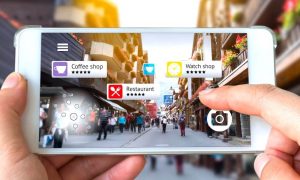
The distinction between online and offline will fade. The Internet will be ubiquitous, integrated into the Internet of Things (IoT), not just device-located. Searching will be more intuitive, often voice-activated. Augmented and Virtual Reality (AR & VR) will be more intuitive and accessible, enabling search in 3D to facilitate interpretation and understanding of physical information.

The Good:

The Internet will continue to enable increased productivity by allowing people to offload time-consuming chores, like information search or calculations. It will also continue to open up access to education, often disrupting current models of educational services. Global connectivity will continue to increase information flows that improve authenticity, transparency, and accountability.

The net gain of integrated data is individual empowerment, a psychological dynamic that has a range of positive outcomes, improving measures of well-being and resilience. As individuals continue to use data to identify and meet goals and motivate behavior change, they are likely to become more educated and able to be advocates for broader needs.

The Bad:

There is a potential downside if we, as individuals, abdicate our responsibilities as citizens. Technology demands a level of literacy and critical thinking. Without these, misinformation and misuse will further drive conflict, abuse, and narrow-mindedness. Misinformation thrives among those who want their worldviews confirmed. It flourishes where the desire for self-validation offsets other goals. It is a powerful tool among those who would persuade fearful followers eager for security.

This confirmation bias has gone unabated to date. The results have been a ‘cancel culture’ of public shaming and name-calling rather than an effort to identify and achieve common goals, to recognize that compromise is key to that end.

This lack of critical thinking is rooted in a political system that has lost sight of governing for the best of all and either promotes or targets individual groups at the expense of others to achieve personal agendas. Increased partisanship promotes misinformation and fear. Political/organizational use of technology can violate rights, either invisibility or in the name of progress or worse, “safety.” Couple this with the lack of technical sophistication among lawmakers burdened by partisanship, and we face the danger that governmental action will be unable to offset, regulate, or even find solutions appropriately.

Privacy, hacking, and data protection will remain a challenge—continual innovations and sophisticated technologies can easily outpace governmental bodies who regulate in the rearview mirror. The demand from consumers will drive increased security since businesses (and hackers) have no inherent incentives to protect data. Companies, however, will adjust to the consumers who threaten to take business elsewhere. The consumer demands, of course, means educating people of all ages to be knowledgeable consumers.
The Likely:

We should expect increasing integrations of the Internet into environmental structures in ways that support daily life and improve resource use. Connected technologies can be large, such as smart houses or cities, and small such as wearable devices. Data from cities and homes can contribute to conservation and housing needs and just make finding stuff and getting places a lot easier. Mobile technologies and geolocation tools have the potential to improve the delivery of necessary medical care, educational support, and meet other social needs, such as identifying areas of conflict and suffering.

All demand that we should pay attention, demand transparency, and be vigilant. That is, however, true of most of life, not just the Internet.


  • Facebook
  • Twitter
  • Reddit
  • LinkedIn
  • E-Mail

About The Author

Pamela Rutledge, PhD, MBA is the Director of the Media Psychology Research Center. A consultant, author, speaker, and professor, she consults on a variety of media projects developing audience engagement and brand storytelling strategies.

Leave a reply

Your email address will not be published. Required fields are marked *

This site uses Akismet to reduce spam. Learn how your comment data is processed.

FOR THE PRESS

Dr. Pam Rutledge, media psychologistDr. Pamela Rutledge is available to reporters for comments on the psychological and social impact of media and technology on individuals, society, organizations and brands.  pamelarutledge@gmail.com

SEARCH THE SITE

RECENT POSTS

  • The Legacy of Daytime Talk Shows Lives in Your Feed
  • Oprah's High Road: Diverging Paths in Daytime Talk Shows
  • Daytime Talk Shows: Why We Couldn’t Look Away
  • FAFO Parenting: Letting Kids Learn the Hard Way
  • Meta Is Using Your AI Chats to “Personalize Your Experience”

MEDIA PSYCHOLOGY RESEARCH

The Media Psychology Research Center (MPRC) is an independent research organization directed by Dr. Pam Rutledge.  Read about MPRC at www.mprcenter.org.

CONSULTING PROJECTS

Dr. Rutledge consults on a variety of media projects using psychology to translate data into human behavior for powerful results.

  • Parenting in a Digital World webinar series
  • Persona Development for audience segmentation
  • Fan and Audience Engagement: Identifying audience narratives to satisfy needs
  • Brand Storytelling: Supercharging brand meaning

RECENT POSTS

  • The Legacy of Daytime Talk Shows Lives in Your Feed
  • Oprah's High Road: Diverging Paths in Daytime Talk Shows
  • Daytime Talk Shows: Why We Couldn’t Look Away
  • FAFO Parenting: Letting Kids Learn the Hard Way
  • Meta Is Using Your AI Chats to “Personalize Your Experience”

SEARCH

Content copyright Pamela Rutledge 2026.