DR. PAM | MEDIA PSYCHOLOGIST
THE PSYCHOLOGY OF DIGITAL BEHAVIORS
  • Home
  • Blog
  • About
    • About Dr. Pamela Rutledge
    • Media Psychology
      • What Is A Media Psychologist?
      • 8 Reasons Why We Need Media Psychology
      • Careers in Media Psychology
      • Example Careers in Media Psychology
      • Media Psychology at Fielding Graduate University
      • Positive Media Psychology
    • MPRC
      • Media Psychology Research Center
    • Media Psychology Review
  • Consulting
    • Speaking & Consulting
    • Audience Engagement: Why Use Personas?
      • How to Build a Persona
    • Adapting to Change
    • Transmedia Storytelling
      • Storytelling Across Platforms
      • Transmedia Storytelling Starts with the Power of Story
      • Our Transmedia World
      • Transmedia Case Study: The Three Little Pigs
      • Transmedia Storytelling Workshop
  • Story Power
    • Brand Storytelling
    • Storytelling: Brands, Entertainment & Organizations
      • Storytelling for Organizations
      • Core Story: Case Study
  • In the News
    • Press Quotes & Interviews 2022-2025
    • 2021-2019
    • 2018-2016
    • 2016-2017
    • 2015-2013
    • 2012 & EARLIER
    • Video Interviews & Webinars
  • Resources
    • Mindful Media & Digital Literacy
      • Positive Media Psychology
      • Benefits of Video Games Part 1
      • Benefits of Video Games Part 2
      • Benefits of Video Games Part 3
      • Becoming Mindful: Exercises
      • Mindful Media Journal
    • Academic Materials
      • Media Psychology Syllabus 2021
      • Media Psychology Syllabus 2012
      • Media Psychology Syllabus 2015
    • Articles
      • Persuasion & Augmented Reality
      • Psychology of Transmedia Engagement
      • Theories of Attention
      • The Psychology of Color
      • Website Design: How to Use Psych Theory
      • Data Strategy: Listen to Your Consumers’ Stories
      • The Psychology of Story
  • Archives
  • Contact
DR. PAM | MEDIA PSYCHOLOGIST
  • Home
  • Blog
  • About
    • About Dr. Pamela Rutledge
    • Media Psychology
      • What Is A Media Psychologist?
      • 8 Reasons Why We Need Media Psychology
      • Careers in Media Psychology
      • Example Careers in Media Psychology
      • Media Psychology at Fielding Graduate University
      • Positive Media Psychology
    • MPRC
      • Media Psychology Research Center
    • Media Psychology Review
  • Consulting
    • Speaking & Consulting
    • Audience Engagement: Why Use Personas?
      • How to Build a Persona
    • Adapting to Change
    • Transmedia Storytelling
      • Storytelling Across Platforms
      • Transmedia Storytelling Starts with the Power of Story
      • Our Transmedia World
      • Transmedia Case Study: The Three Little Pigs
      • Transmedia Storytelling Workshop
  • Story Power
    • Brand Storytelling
    • Storytelling: Brands, Entertainment & Organizations
      • Storytelling for Organizations
      • Core Story: Case Study
  • In the News
    • Press Quotes & Interviews 2022-2025
    • 2021-2019
    • 2018-2016
    • 2016-2017
    • 2015-2013
    • 2012 & EARLIER
    • Video Interviews & Webinars
  • Resources
    • Mindful Media & Digital Literacy
      • Positive Media Psychology
      • Benefits of Video Games Part 1
      • Benefits of Video Games Part 2
      • Benefits of Video Games Part 3
      • Becoming Mindful: Exercises
      • Mindful Media Journal
    • Academic Materials
      • Media Psychology Syllabus 2021
      • Media Psychology Syllabus 2012
      • Media Psychology Syllabus 2015
    • Articles
      • Persuasion & Augmented Reality
      • Psychology of Transmedia Engagement
      • Theories of Attention
      • The Psychology of Color
      • Website Design: How to Use Psych Theory
      • Data Strategy: Listen to Your Consumers’ Stories
      • The Psychology of Story
  • Archives
  • Contact
Dec 30

Social Media & Privacy: The Tribe vs. The City

  • December 30, 2010
  • Pamela Rutledge
  • No Comments

When Hilary Clinton adopted the adage that it takes a village to raise a child she was speaking in part to the need for transparency.  The village in her image was one of permeable walls, community engagement in the personal, and an end to privacy.  Many voices are more powerful than one, and secrets can only be conducted in shadows and behind walls.

Marketplace’s Stacey Vanek-Smith suggests the year 2010 as the year that privacy died. She’s referring to data mining by behemoths such as Facebook.  She quotes Stanford data mining expert Andreas Weigend:

“Maybe privacy was just a blip in history. It started when people moved to cities, where they had places to hide. And it ended with the Internet, when basically there was no place to hide left.”

Maybe people don’t need privacy.

Rather than looking at privacy from the perspective that people gravitate toward hiding, or wish to hide, and are robbed from that privilege with the advent of technology, I see people pro-actively using the ability of the Internet to advance the dialogue of community. As Vanek-Smith goes on to cite Weigend, “…as a culture, we’ve basically traded privacy for social connectivity.”  Is privacy a mutually exclusive element of community? Are we migrating back to tribes?

Tribes are communal based. They don’t necessarily purport to be democratic – they may have forums for discussion but they also have clear roles for chiefs, spiritual leaders, etc. But the actions of each of these roles are open to scrutiny. They are made and enacted in the view of the people and not hidden in lost paragraphs on lengthy bills and in the murky corridors of power underlying governance. Governance, which is by nature, private.  Or was… until Wikileaks.

Not that Assange is the first to come along and expose the government – many have come before him. But none have come in an era in which information is prevalent to the masses, to the most common of all the public. Weigend argues that digital natives place no value on privacy. Why should they?  Why have we?  The digitial natives are already tribal – they gather in groups across the globe connected by shared interests.  The more they share their interests, the more tribes they have with which to connect. To withhold aspects of themselves is simply barring possibility to another social group. True communication becomes dynamic by a laying out of all the parts, and privacy is only valuable to someone who has something to hide.

While this is an important distinction in the changing psychology of today’s society, it’s a warning flag to government. Nations, by name, have only existed the last few hundred years. The most dominant form of social grouping has been the tribe.  If privacy is a blip in history, maybe nations are too.  In a growing culture that demands openness and abhors privacy, what happens to government when the natives hit voting age en masse?

We write a lot in this blog about the new modern revolution. This is one of the ways in which we are looking at that.  Revolutions in the past looked like lit torches and guns, but the new modern revolution is fought by shifting psychological paradigms. The real stand-off won’t be in trenches, but in the computers – who sees what, who writes what, who gets access to what. I predict it also won’t be fought in tangible battle, but rather eroded away quietly until we reach a new vista and look back and see how different – even barbaric – the world was when secrets were kept and divisions made.

  • Facebook
  • Twitter
  • Reddit
  • LinkedIn
  • E-Mail

About The Author

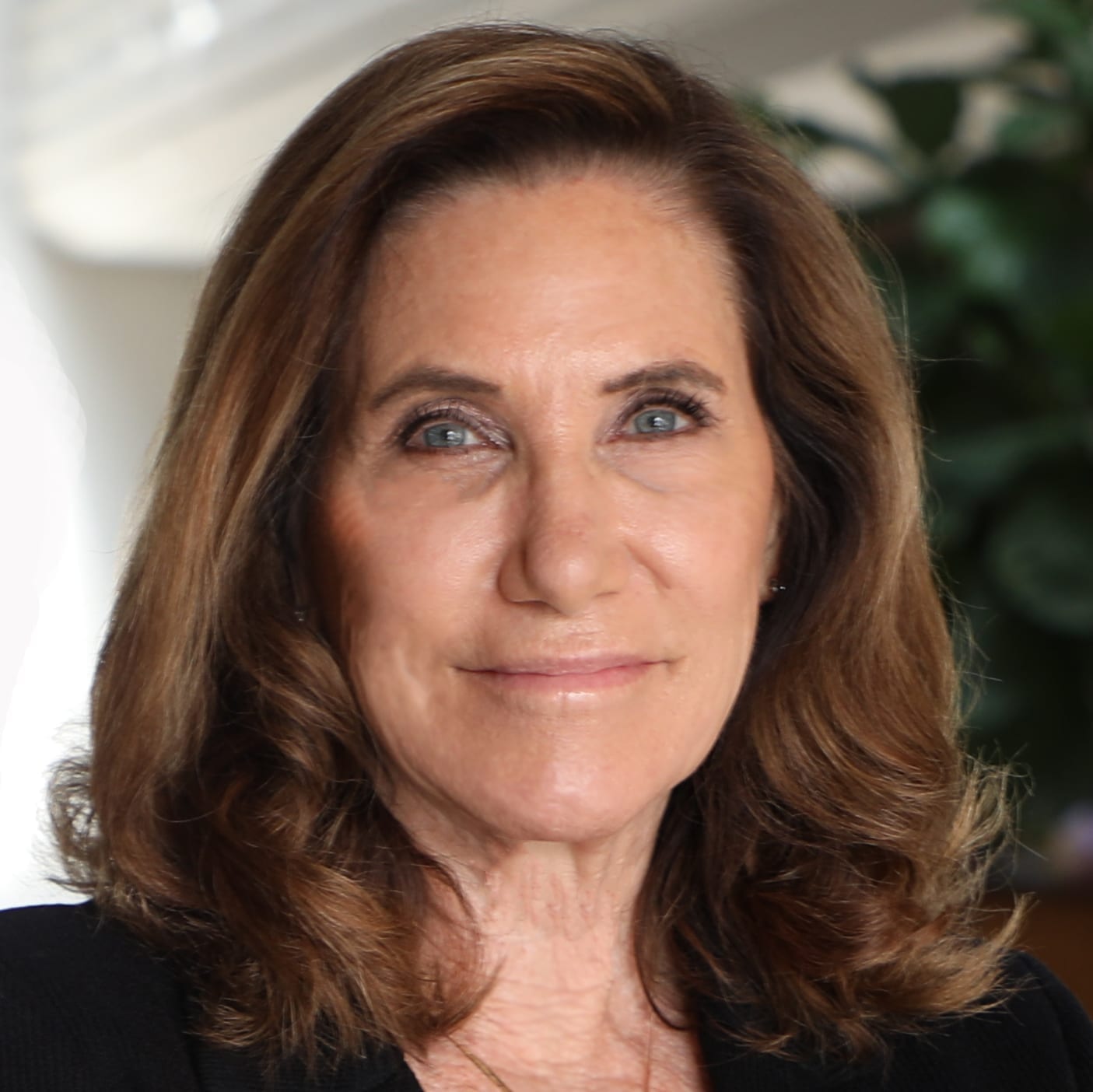
Pamela Rutledge, PhD, MBA is the Director of the Media Psychology Research Center. A consultant, author, speaker, and professor, she consults on a variety of media projects developing audience engagement and brand storytelling strategies.

Leave a reply

Your email address will not be published. Required fields are marked *

This site uses Akismet to reduce spam. Learn how your comment data is processed.

FOR THE PRESS

Dr. Pam Rutledge, media psychologistDr. Pamela Rutledge is available to reporters for comments on the psychological and social impact of media and technology on individuals, society, organizations and brands.  pamelarutledge@gmail.com

SEARCH THE SITE

RECENT POSTS

  • The Legacy of Daytime Talk Shows Lives in Your Feed
  • Oprah's High Road: Diverging Paths in Daytime Talk Shows
  • Daytime Talk Shows: Why We Couldn’t Look Away
  • FAFO Parenting: Letting Kids Learn the Hard Way
  • Meta Is Using Your AI Chats to “Personalize Your Experience”

MEDIA PSYCHOLOGY RESEARCH

The Media Psychology Research Center (MPRC) is an independent research organization directed by Dr. Pam Rutledge.  Read about MPRC at www.mprcenter.org.

CONSULTING PROJECTS

Dr. Rutledge consults on a variety of media projects using psychology to translate data into human behavior for powerful results.

  • Parenting in a Digital World webinar series
  • Persona Development for audience segmentation
  • Fan and Audience Engagement: Identifying audience narratives to satisfy needs
  • Brand Storytelling: Supercharging brand meaning

RECENT POSTS

  • The Legacy of Daytime Talk Shows Lives in Your Feed
  • Oprah's High Road: Diverging Paths in Daytime Talk Shows
  • Daytime Talk Shows: Why We Couldn’t Look Away
  • FAFO Parenting: Letting Kids Learn the Hard Way
  • Meta Is Using Your AI Chats to “Personalize Your Experience”

SEARCH

Content copyright Pamela Rutledge 2026.