Success on the campaign trail will boil down to the art of storytelling and the psychological impact of language, archetypes and emotions.
As politicians double-down on their campaign strategies and flex their budgets in anticipation of the primaries, there is a cacophony of messaging. It’s curious that the Democrats, who clearly had the advantage in the social space in the Obama election, have been so wrong-footed ever since. As I wrote in 2016, it was the war of words that cost Clinton the election.
It all boils down to the art of storytelling—language, archetypes, emotions and the ability to tell a story that is personal and relevant. These are critical skills rooted deep in psychology that politicians need to know if they want to seriously compete in the battle of rhetoric and misinformation from politicians, bots, Russians, and trolls.
Language:
- Framing is everything. It’s much easier to argue what is, than what isn’t. A frame is the context that you provide for understanding an issue—it isn’t what you say, it’s how you say it. The Democrats have been terrible at framing issues, allowing Trump to create the “positive” frame so they are always having to say, “no, it isn’t”.
- As political strategist Frank Lutz says, power of the message is in what people hear. The communicator has to understand the mental models of the voters –especially the ones whose opinion they want to change.
- Communicators need to use the language of their audience. Speak to everyday people about everyday problems and pains. If you use words that don’t have clear and ready meanings (‘misogynist’ and ‘deplorables’ come to mind) it disrespects the audience. The simple choice of a dictionary-worthy word can distance a candidate from the voters, making the difference between the candidate and the voter more salient than the similarities. By contrast, everyone knows what a “crook” or “evil” is, however inappropriately you think it is applied.
- An emotion-laden picture is what makes a message sticky. Effective communication is built on words that are 1) emotional and 2) can be easily visualized. We have a myriad of cultural images of ‘crooks’ to draw from, from the Cartoon Network to Marvel Comics. Crooks are a threat; they steal things from you, triggering emotion and an instantaneous image in your brain. An image tied to danger is especially hard to ignore, never mind how stereotypical or ridiculous it may be. They are cultural and universal metaphors.
- Offense is more powerful than defense in elections. Good strategy means you are prepared for the returning volley, and, like Judo, can use the strength of the opponent to fuel the counterattack.
The Use of Archetypes
- Trump presents a clearly defined and consistent archetype to his followers as a self-proclaimed Hero, a champion of the regular guy fighting ‘the government’ trying to protect the American Dream. Never mind that he hangs out with hedge fund managers, uses his own luxury properties at public expense, won’t share his tax returns or many other inconsistencies. This doesn’t matter. Trump speaks to his voters’ fears. Confirmation bias says that we hear what we want to hear to confirm our world view. We ignore the things that challenge us, especially when we are afraid. The more politicians fire up fear, the less able people will be to hear anything else.
- Any challengers to Trump need a clear and consistent archetype so that people feel they ‘know’ them. They need a stronger form of connection—one that is emotional and speaks to instinct and creates a sense of connection. Obama was very good at this. Another powerful example is the “Don’t Mess with Texas” anti-littering campaign featuring icons such as Willie Nelson that triggers a sense of belonging and the need for affiliation across political lines. (As I wrote in 2015, Hilary Clinton has long struggled to establish a clear archetype that appealed to the voters.) The archetype becomes the north star for the narratives a candidate tells. Trump is nothing if not consistent.
Emotions
- Fear is deeply primal. Betrayal by the system, loss of the American Dream, rapid change all trigger fear. Fearful voters aren’t using logic and reason, they are reacting defensively and, sadly, violently when they feel their survival is at stake. The Band-Aid for living with fear is cleaving to one’s beliefs or following a dogmatic leader to achieve the illusion of cognitive certainty.
- For voters already feeling betrayed, then inroads can be made by highlighting the sense of betrayal and transferring the blame. The Hero can become a Great Betrayer or the Trickster proposing rules that take away the freedom of the supporters–those core primal rights. Most voters don’t care about Russians or social norms. They care about their personal needs. But betrayal is deep and instinctive.
Storytelling
- Emotions and images are evoked by storytelling—hence the stickiness of stories. Don’t say “this is a universal health care plan” say when Grandma gets sick, she will get the care she needs. Personalize everything. Tell stories that the target voters can relate to. The cleverest slogans in the world won’t matter if people don’t feel it in their bellies.
- Causes have to wrap around stories. Social media addiction stories fueled an attempt to regulate tech companies. It doesn’t matter that social media addiction isn’t a real diagnosis in the DSM; people belive it’s a problem. Watch the Music Man (or Hitler) to see the pattern: Establish the problem, scare people, then provide the solution. Think about how Trump framed immigration. ‘Murderers’ and ‘lost jobs’ make pictures, “human rights” and “fair” are non-visual concepts with no immediacy or personal threat.
As the candidates jockey for position, it will be instructive to see which ones can communicate effectively enough to shift the frame and claim the narrative.

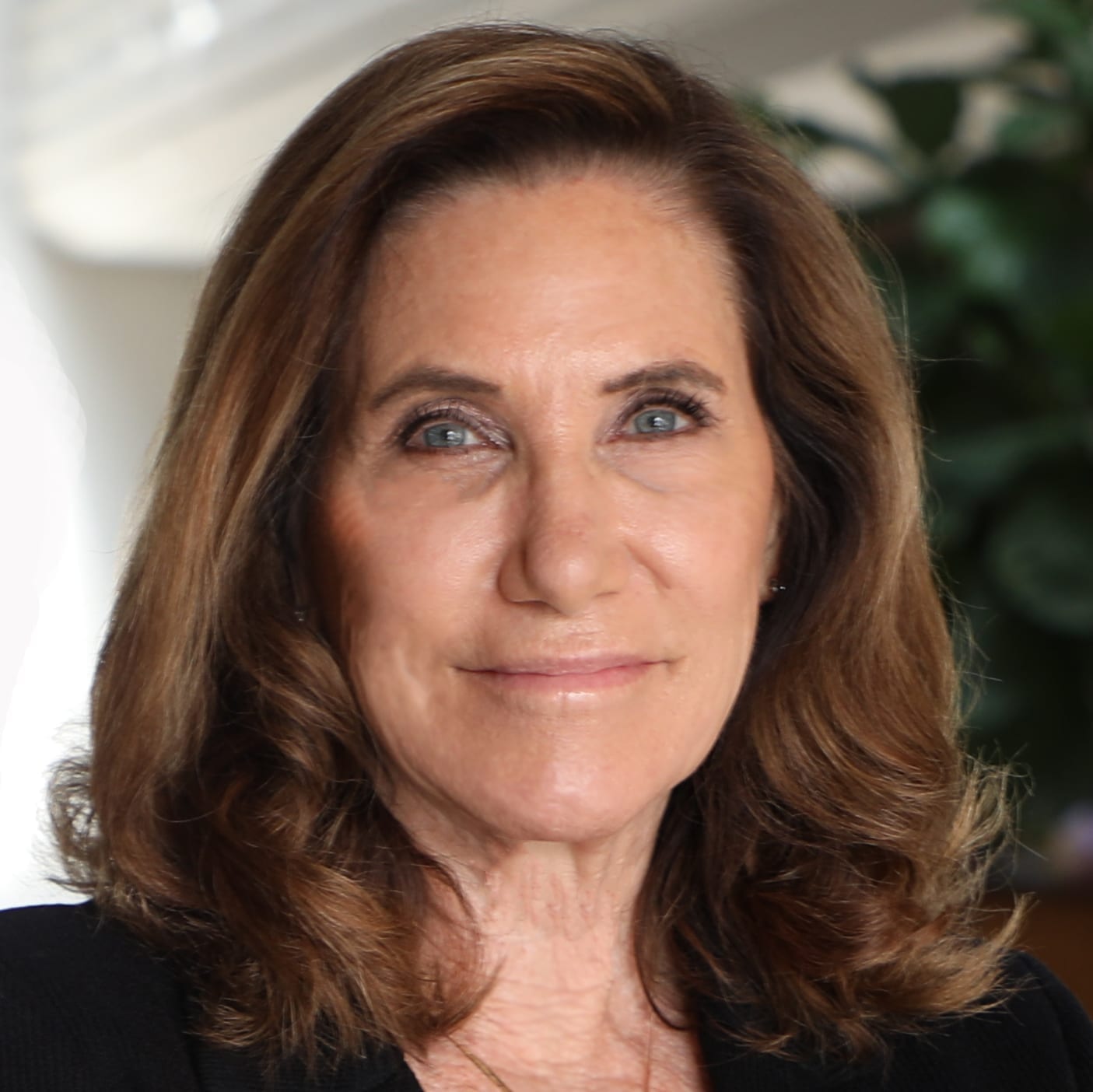 Dr. Pamela Rutledge is available to reporters for comments on the psychological and social impact of media and technology on individuals, society, organizations and brands.