DR. PAM | MEDIA PSYCHOLOGIST
THE PSYCHOLOGY OF DIGITAL BEHAVIORS
  • Home
  • Blog
  • About
    • About Dr. Pamela Rutledge
    • Media Psychology
      • What Is A Media Psychologist?
      • 8 Reasons Why We Need Media Psychology
      • Careers in Media Psychology
      • Example Careers in Media Psychology
      • Media Psychology at Fielding Graduate University
      • Positive Media Psychology
    • MPRC
      • Media Psychology Research Center
    • Media Psychology Review
  • Consulting
    • Speaking & Consulting
    • Audience Engagement: Why Use Personas?
      • How to Build a Persona
    • Adapting to Change
    • Transmedia Storytelling
      • Storytelling Across Platforms
      • Transmedia Storytelling Starts with the Power of Story
      • Our Transmedia World
      • Transmedia Case Study: The Three Little Pigs
      • Transmedia Storytelling Workshop
  • Story Power
    • Brand Storytelling
    • Storytelling: Brands, Entertainment & Organizations
      • Storytelling for Organizations
      • Core Story: Case Study
  • In the News
    • Press Quotes & Interviews 2022-2025
    • 2021-2019
    • 2018-2016
    • 2016-2017
    • 2015-2013
    • 2012 & EARLIER
    • Video Interviews & Webinars
  • Resources
    • Mindful Media & Digital Literacy
      • Positive Media Psychology
      • Benefits of Video Games Part 1
      • Benefits of Video Games Part 2
      • Benefits of Video Games Part 3
      • Becoming Mindful: Exercises
      • Mindful Media Journal
    • Academic Materials
      • Media Psychology Syllabus 2021
      • Media Psychology Syllabus 2012
      • Media Psychology Syllabus 2015
    • Articles
      • Persuasion & Augmented Reality
      • Psychology of Transmedia Engagement
      • Theories of Attention
      • The Psychology of Color
      • Website Design: How to Use Psych Theory
      • Data Strategy: Listen to Your Consumers’ Stories
      • The Psychology of Story
  • Archives
  • Contact
DR. PAM | MEDIA PSYCHOLOGIST
  • Home
  • Blog
  • About
    • About Dr. Pamela Rutledge
    • Media Psychology
      • What Is A Media Psychologist?
      • 8 Reasons Why We Need Media Psychology
      • Careers in Media Psychology
      • Example Careers in Media Psychology
      • Media Psychology at Fielding Graduate University
      • Positive Media Psychology
    • MPRC
      • Media Psychology Research Center
    • Media Psychology Review
  • Consulting
    • Speaking & Consulting
    • Audience Engagement: Why Use Personas?
      • How to Build a Persona
    • Adapting to Change
    • Transmedia Storytelling
      • Storytelling Across Platforms
      • Transmedia Storytelling Starts with the Power of Story
      • Our Transmedia World
      • Transmedia Case Study: The Three Little Pigs
      • Transmedia Storytelling Workshop
  • Story Power
    • Brand Storytelling
    • Storytelling: Brands, Entertainment & Organizations
      • Storytelling for Organizations
      • Core Story: Case Study
  • In the News
    • Press Quotes & Interviews 2022-2025
    • 2021-2019
    • 2018-2016
    • 2016-2017
    • 2015-2013
    • 2012 & EARLIER
    • Video Interviews & Webinars
  • Resources
    • Mindful Media & Digital Literacy
      • Positive Media Psychology
      • Benefits of Video Games Part 1
      • Benefits of Video Games Part 2
      • Benefits of Video Games Part 3
      • Becoming Mindful: Exercises
      • Mindful Media Journal
    • Academic Materials
      • Media Psychology Syllabus 2021
      • Media Psychology Syllabus 2012
      • Media Psychology Syllabus 2015
    • Articles
      • Persuasion & Augmented Reality
      • Psychology of Transmedia Engagement
      • Theories of Attention
      • The Psychology of Color
      • Website Design: How to Use Psych Theory
      • Data Strategy: Listen to Your Consumers’ Stories
      • The Psychology of Story
  • Archives
  • Contact
Apr 07

Pepsi #FAIL with Jenner Ad for Making Light of Social Action

  • April 7, 2017
  • Pamela Rutledge
  • No Comments

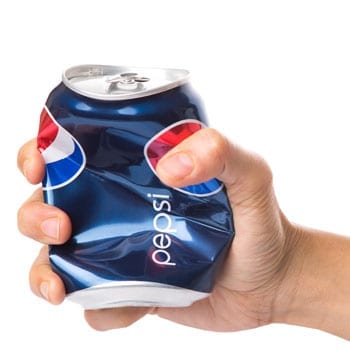
Trying to ‘crush it’ with Kendall Jenner ad, Pepsi gets crushed instead.

Trying to push the pop culture envelope again, Pepsi’s ad with Kendall Jenner backfired. They have a long history of using pop culture icons to create product differentiation between the Pepsi brand and that of Coke.  In many cases, this has worked well. They have selected celebrities who were also icons for their contribution to popular music.  Few would argue that Michael Jackson and Madonna, and to lesser degree Britney Spears, have had a major social impact on the music business, each ushering in a new perspective, vision, and direction.

This time Pepsi forgot to ask “what do we stand for?” This is evident in their choice of spokesperson as well as the context in which they placed her. Jenner is famous for being famous, much like Paris Hilton in her 15 minutes of fame. The difference between Hilton and Jenner is that Jenner is a much better marketer, able to parlay celebrity into a business model with some serious income flow. This distinction is important, however, because while many people might not have liked Jackson’s or Madonna’s music, most recognized and respected the mark they had made based on artistic vision. Conversely, Jenner, while widely embraced by her fans for fashion and “lifestyle” tips, is a cultural phenomenon, not an icon and she has an equal number of haters (or perhaps ignorers) for being a celebrity for celebrity’s sake, following in the footsteps of her infamous older sisters, the Kardashian women.

The recent Pepsi ad shows Jenner leaving a photo shoot as a model, grabbing a Pepsi and joining a demonstration with overtones of Black Lives Matter. This was an enormous misstep because it used a shallow celebrity with no history of social advocacy. We may know of Jenner for a lot of things, but social activism isn’t one of them.

Brands must align celebrity values with their message for credibility

Thus, having Jenner represent a commitment to social action and alluding to Black Lives Matter is a bad enough pairing. But to further trivialize it by implying that if everyone just had a Pepsi we could all get along not only rings hollow, but it is offensive to those who invest time, emotion, resources and personal safety to address serious issues such as the racial divide. To make matters worse, Jenner couldn’t quite get a hold on the Pepsi can–a pretty good metaphor for Pepsi’s lack of getting a hold on the sentiment behind movements such as Black Lives Matter and the Women’s March in relation to their advertising slogans.

Controversy is not always bad when it comes to marketing. The level of earned media that Pepsi has received in response could have been a marketer’s dream come true. However, in this case, the disrespect toward the social movements has made this a viral disaster. Pepsi pulled the ad, but the trouble with the Internet is that nothing can truly be pulled and erased.

The ad will not hurt Jenner at all. Much like Hilton’s sex tapes, any attention is positive when your goal is to maintain celebrity. The more clicks the better. Her fans will rally to her defense; gawkers will click away to see what the fuss is about.  She must be laughing all the way to the bank as her price just went up for Instagram sponsorships. It’s all good from her perspective.

For Pepsi, however, this has been a significant fail. Rather than pushing the edge of pop culture to show themselves youthful and “with it,” they may have alienated an audience of Millennials and younger who are repeatedly reported as having high levels of social concern.  At least Pepsi’s rather limp initial response about ‘people coming together’ has been replaced with the admission that they totally missed the mark. Now Pepsi needs to step up and own it; they need to take aggressive steps to show real support for social issues.  Hopefully, they will retire Jenner and other vacuous celebrities and look for someone who is actually making the world better.  Otherwise, they face the real possibility of not just a boycott, but a serious blow to their credibility as a youthful voice.

Crises can be opportunities for brands if handled well

Crises can be opportunities because they allow brands to show their mettle.  (Think Tylenol’s massive and costly recall in support of their brand values.)  Brands live in the brains of the consumers and how brands handle themselves in periods of PR crises can speak volumes about the company’s values. Yet some remain slow learners.  (Think United.)  While the damage to Pepsi isn’t lethal, Pepsi has shown themselves to be “tone deaf” to public sentiment–the exact opposite goal when you’re trying to build brand equity. This is the chance to prove that wrong. Trust takes a long time to build but is very easy to destroy.

What would you advise Pepsi to do?

  • Facebook
  • Twitter
  • Reddit
  • LinkedIn
  • E-Mail

About The Author

Pamela Rutledge, PhD, MBA is the Director of the Media Psychology Research Center. A consultant, author, speaker, and professor, she consults on a variety of media projects developing audience engagement and brand storytelling strategies.

Leave a reply

Your email address will not be published. Required fields are marked *

This site uses Akismet to reduce spam. Learn how your comment data is processed.

FOR THE PRESS

Dr. Pam Rutledge, media psychologistDr. Pamela Rutledge is available to reporters for comments on the psychological and social impact of media and technology on individuals, society, organizations and brands.  pamelarutledge@gmail.com

SEARCH THE SITE

RECENT POSTS

  • The Legacy of Daytime Talk Shows Lives in Your Feed
  • Oprah's High Road: Diverging Paths in Daytime Talk Shows
  • Daytime Talk Shows: Why We Couldn’t Look Away
  • FAFO Parenting: Letting Kids Learn the Hard Way
  • Meta Is Using Your AI Chats to “Personalize Your Experience”

MEDIA PSYCHOLOGY RESEARCH

The Media Psychology Research Center (MPRC) is an independent research organization directed by Dr. Pam Rutledge.  Read about MPRC at www.mprcenter.org.

CONSULTING PROJECTS

Dr. Rutledge consults on a variety of media projects using psychology to translate data into human behavior for powerful results.

  • Parenting in a Digital World webinar series
  • Persona Development for audience segmentation
  • Fan and Audience Engagement: Identifying audience narratives to satisfy needs
  • Brand Storytelling: Supercharging brand meaning

RECENT POSTS

  • The Legacy of Daytime Talk Shows Lives in Your Feed
  • Oprah's High Road: Diverging Paths in Daytime Talk Shows
  • Daytime Talk Shows: Why We Couldn’t Look Away
  • FAFO Parenting: Letting Kids Learn the Hard Way
  • Meta Is Using Your AI Chats to “Personalize Your Experience”

SEARCH

Content copyright Pamela Rutledge 2026.