Social media is the terrorist’s best and worst friend. Acts of terrorism need to be public to get attention, make a statement and spread fear. Social media amplifies these events, allowing people around the world to instantaneously see and respond to the horror and to feel the sense of vulnerability and chaos. Social media is also the terrorist’s worst friend. Social media shows terrorism for what  it is, senseless, reprehensible violence. It unites people against their cause. As odd as it sounds, war has rules. We can abhor violence on any level, but taking war out of the war zone is a whole different level of a violation of decency. It changes the terrorists’ actions from a protest to a violation.
Terrorists’ actions are meant to be overt demonstrations of the perpetrator’s power and purpose; they are attempts to demoralize an “enemy” through fear. Social media, with it’s unprecedented ability to capture and share emotion, is well-suited to this goal. Through the voices on social media, we see events and responses as they are happening with immediacy and authentic rawness.
The value and power of social media is that it services multiple purposes, reflecting the complexity of human emotion. Not only do we experience what’s happening to others, we have a chance to reciprocate emotionally, to show empathy and compassion. Online and offline worlds are just ends of a spectrum of life. Online trauma becomes offline support through actions and donations. Our emotional and practical reach is far beyond our immediate circle of acquaintances.
We can come together as a global community and express support and caring to victims of terrorism; responses with a magnitude far greater than was ever possible at any time in history. We also take strength and courage from this outpouring of collective positive energy and concern. This result is antithetical to the terrorists’ aims. We come together in solidarity, we firm our resolve, we become more determined to resist. Madonna is only one of the many celebrity voices that rise up to give people courage. From her concert in Sweden (link is external)—and now circulating across YouTube–she acknowledged the tragic loss of life in Paris with the message that she would not give in to terrorists who want to take away our freedom and way of life.
For people in the US, Paris is a place of romance and aspiration—where Hemingway wrote his masterpieces, the home of couture and cuisine, and the backdrop for Hollywood blockbusters. Most of us have been to Paris, in our imaginations if not reality. Thus when these kinds of actions take place, they threaten our worldview while they trigger our concern for others. The magnitude of the attack in Paris also plays a role in the news coverage and social media activity that spread awareness, however, there were people from other countries in Paris, not just Parisians. This, combined with our image of Paris makes it a global attack, not strictly speaking, an attack on France. As with many countries, there were citizens from the US killed, injured or terrified in the Paris attacks; an American band was on stage at the Bataclan music hall. This may have happened in Paris, but it was personal on many level. Particularly for those of us for whom 9/11 remains uncomfortably clear.
Through social media, we experience tragedies actions in an intense and forceful way. Our brains are hardwired to focus on the bad and dangerous, continually scanning the environment for any uncertainty that poses a threat to our survival. We instinctively try to make sense out of the unexplainable to alleviate our own fear and discomfort. But the best use of social media is the next step – the outpouring of positive emotions, the emotional and physical support, and the political unity that come together in response. The shift in emotion from fear to empathy to strength and purpose helps all of us. It also forces us, as a society, to think about what we believe in and what we are willing to do to protect it when faced with attacks that intentionally target innocents.
While many social media gestures may seem insignificant, reviving the slactivism argument, even people changing their profile pictures is a good thing. It doesn’t matter if isn’t done for the “right reasons”. There is no right way—empathy and action build in increments. Even the most self-centered person will have to find out WHY others are altering their profile pictures to follow suit and be part of the crowd or to look like a ‘good person”. Awareness is the start of empathy. Empathy is the precursor to action. Collective support builds collective courage and agency.
Terrorism benefits from fear. Evidence of solidarity strengthens resolve. We don’t stop and wonder why all those profile pictures are changed, we are aware of the groundswell of support.
Whether we’re altering the colors of our Facebook profile to reflect the French flag, monitoring Twitter feeds or “just” watching the news, we are also changing the social pulse that we’re monitoring. Our ability to express emotion and caring emphasizes humanity in the face of senseless violence.
There is a moving scene in the movie Casa Blanca (Humphrey Bogart, Ingrid Berman) where patrons of Rick’s cafe stand and sing in response the French National Anthem La Marseillaise to drown out the German song “Watch on the Rhine.”
This scene is a perfect metaphor for how emotion and courage spread on social media. I thought of it immediately and I wasn’t surprised to see others reminded of it as well, sharing it across the Internet. The ability to make a gesture, however minute, allows people to show support and lets those involved feel their struggles are, in some fashion, acknowledged.

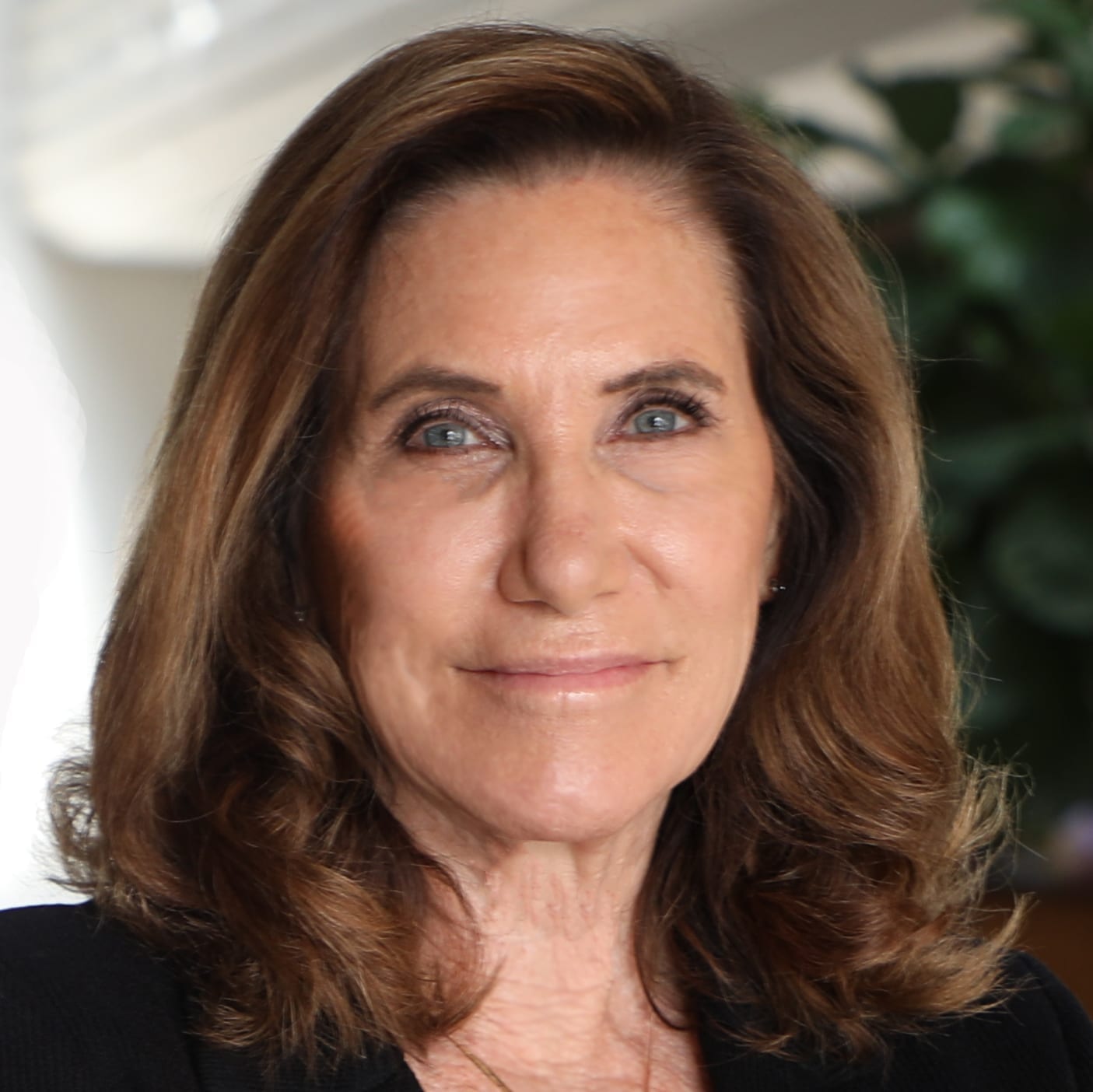 Dr. Pamela Rutledge is available to reporters for comments on the psychological and social impact of media and technology on individuals, society, organizations and brands.