I frequently get requests for information about how to pursue interests in the field of media psychology. I am always honored to represent the field and share my views and advice. The following is typical of several letters I have received recently.
I am currently completing my last year as an undergraduate in psychology. I discovered Media Psychology last year in a Popular Culture course but I have found it very difficult to find ANY postgraduate training in Media Psychology. I was wondering if you could point me in the right direction, as I feel that Media Psychology is the next step to my career, but am finding it difficult to get started. I would appreciate any advice.
I appreciate the enthusiasm for media psychology. Media psychology is a new field. There are few “official” programs, there are no clearly defined career paths, and there are no easy answers.
What is media psychology? Media psychology is the applied study of what happens when people interact with media as producers, distributors, and consumers.
It is simpler to say what media psychology is not–maybe easier than to define what it is. It is not a clinical degree and will not prepare you for the psychological treatment of patients in a mental health field. Media psychology is not just being a psychologist in the media or promoting psychology in the media.
Beyond that, media psychology is very broad. Consequently, the applications are also broad, not well defined, and the potential is limitless. Any place that an understanding of human behavior can be applied to media technologies is a relevant application.
It is important to study both psychology AND technology. If you want to “practice” media psychology, you need to know how media technologies work–how they are developed, produced, and consumed–in order to apply psychological theory to issues of usability, effectiveness, and impact.
Media psychology is also considerably more complex than focusing on media as a reflection of culture because it encompasses the integration of media technologies into life in a myriad of ways. People are now interact with media in multiple ways across multiple platforms as producers, consumers, and distributors of information of all kinds: visual images, sound, video, text, and color both synchronously and asynchronously. If you are searching for a profession with a clear career path, predictable income estimations, and logical next steps, this is not a field for you.
I am currently teaching, as you may know from the website bio, at Fielding Graduate University. This is the very first university with PhD in media psychology. Fielding also has a master’s degree program, Media Psychology and Social Change, that is entirely online. My advice to recent psych grads, however, is to get some media technology experience so that you can apply psychology to that knowledge base. If you don’t understand the technology, it doesn’t matter how well you know the psychology. Depending upon your interests, this could mean anything from virtual environments (gaming, virtual reality, etc.) or business and marketing communications, to translating educational materials for technology. This can be done by working in the field in an area that interests you, or finding a program in a university that has courses in both psychology and media communications and production (and not just mass media.) Areas in psychology that I think are particularly important to media psychology are cognitive psychology (how we process information, make mental models, attention, perception), developmental psychology (different stages of emotional, cognitive, and cultural development), cultural psychology (an appreciation of how different people and cultures have different standards and goals and how that is part of the cognitive process), and positive psychology (what makes people function better both behaviorally and emotionally).
If your interest is working with people in a clinical capacity, then the logical next step is a clinical psychology program even if you want to use media technologies within that practice. Working with clients as a mental health professional requires specific training, supervised practice, an internship, and has licensing requirements. In the US, these requirements vary depending on the type of work/title/training (e.g. a counselor, therapist, psychologist, or psychiatrist). Each title has very specific requirements defined by the governing body where you want to practice and the type of practice it entails (such as psychological testing, type of therapy, prescription privileges, etc.). The rules differ from place to place, even state to state in the US, so it’s important to check for the specifics in the place you want to work.
Research is somewhat different and depends mostly upon what you’re researching. The licensing requirements do not apply to research, however most lead researchers do have graduate degrees at the masters or doctoral level. There are also are ethical requirements when you are dealing with human subjects, so research proposals should be reviewed by an Internal Review Board to review the research design.
Media psychology is very exciting and has tremendous potential. This is the beginning of the field so the early entrants have the excitement and burden of defining the path. This is part of what I love about media psychology. There are no easy answers. It is not an “ivory tower” field. It requires a good knowledge base and draws across multiple disciplines because media technologies are not isolated or compartmentalized. It also requires the ability to think critically and have a certain amount of cognitive flexibility since the technologies (and thus the field) change constantly.
Media is a system, not a thing; it is inseparable from society and they are mutually influential. To me, media psychology is about understanding the interaction of people and media technologies. Perhaps more importantly, it is also about taking responsibility for our part in the cycle. It is the only way we can develop better technologies and use them well.

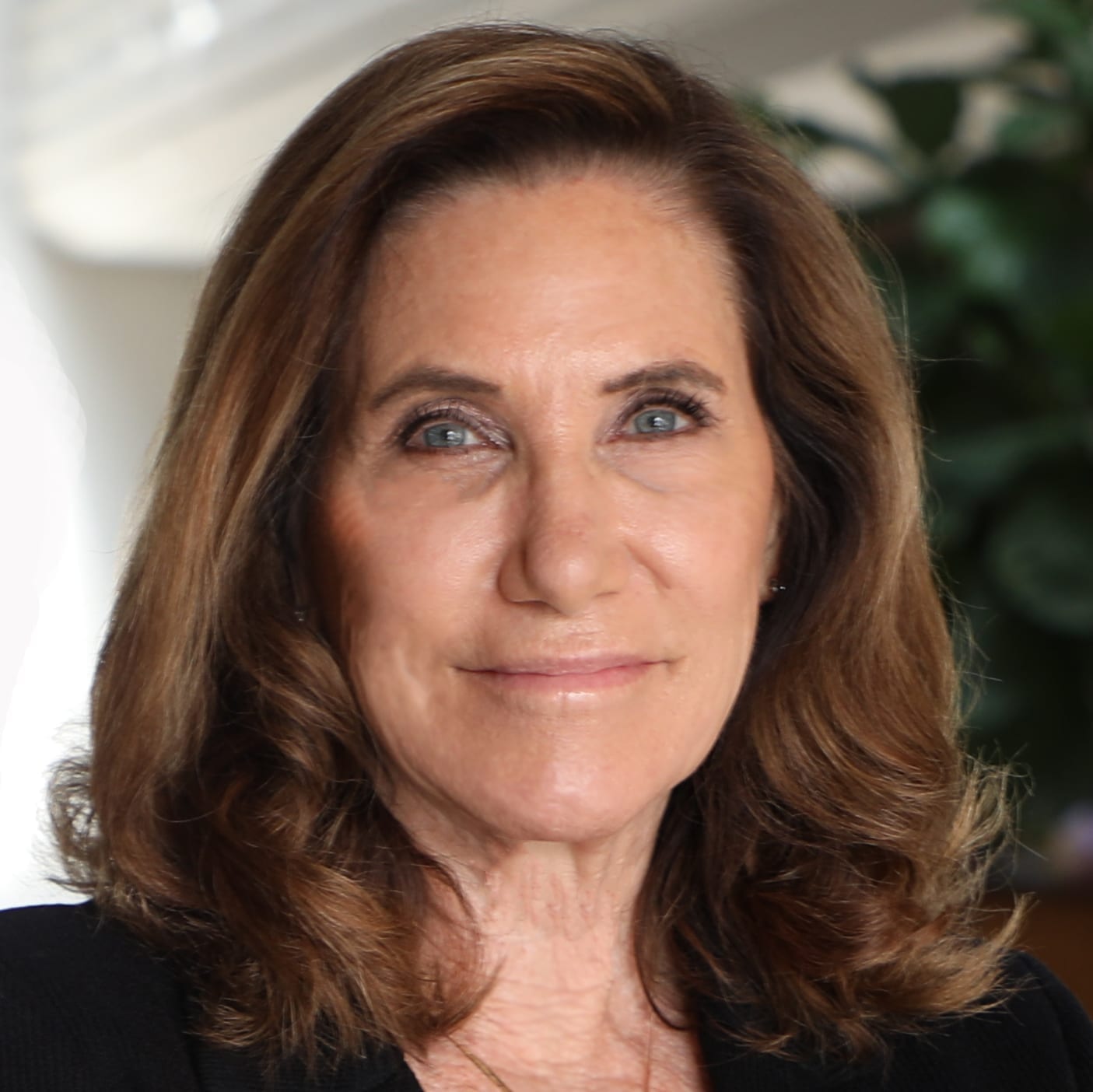 Dr. Pamela Rutledge is available to reporters for comments on the psychological and social impact of media and technology on individuals, society, organizations and brands.
What a great resource!
[…] This post was mentioned on Twitter by Doktor Psycho and carlees, Robert Hartzell. Robert Hartzell said: Media Psychology: No Easy Answers | The Media Psychology Blog http://bit.ly/aaoh11 […]
An interesting and insightful post.
Personally, I began my career dealing with the media in the Army as a public affairs specialist. The insight gained over a 20 year “practical” career was interesting, to say the least. Once I retired, those skills evolved into consulting for a major firm which provides strategic communications services to its clients. Its not quite as close to media psychology as elements in the military example, but still in the realm of communication.
As for education, its been a tough one to nail down, especially since most available programs prefer you to be a resident. I finally went with Walden University because of its distance education offering and its participation in the yellow ribbon program which made the education affordable via my GI Bill benefits.
Regardless of the school chosen, I wholeheartedly agree that it takes a broad understanding of both the theory/practice and technology to truly grasp the potential of this field.
Nice
I am considering adding Media Psychology to my background because I work in digital media (e-learning). I think media psychology is a great dual path for anyone who does work in digital media. The psychology lens adds a more balanced approach with rigor and discipline to the practical side of things. In fact I believe the field of User Experience is essentially a practical method of using media psychology to accomplish goals. What I mean by this is that User Experience professionals utilize technology by having a deep understanding of some behavior economic principles. The brush they use is technology but the substance, the paint, is basic behavioral principals.
Hi Michael,
Thanks for your comment. I agree! I also think User Experience would benefit from more psychology because it is at the essence of successful user interaction with any kind of technology. It isn’t just “can I do it,” it’s “how do I feel (reflecting cognition and emotion in addition to physical perception and mastery) doing it and when I’m finished.”