After four days of looting and rioting across the UK, people are looking for answers. The violence that started in London, spread rapidly across not only Greater London, but most of the country, not as single oozing mass, but more like an outbreak of the measles. Its speed and range is attributed to the rioters’ use of social media, such as Facebook, Twitter, and Blackberry Messenger. Information and disinformation alike travel fast in social networks. As people try to make sense in the aftermath, an emerging theme is the culpability of social media. Focusing blame on social media is akin to killing the messenger and is both naïve and dangerous.
Social media is just a tool. It’s a powerful one, but a tool nonetheless. It can be used in good ways and bad ways, just like a hammer or a baseball bat.
 While the riots raised legitimate questions about social and government systems, it has also put social media squarely in the sights of the politicians. Social media is an easy target. When you’re a politician, it’s great to have something to blame that can’t vote. Prime Minister Cameron almost immediately offloaded the blame onto social networking sites for fueling the riots and hinted at intervention. “When people are using social media for violence, we need to stop them.”
UK Home Secretary, Theresa May, is scheduling meetings with Facebook, Twitter and Research In Motion (RIM) to “discuss their responsibilities in this area.” Suggestions have ranged from banning suspected rioters from social media networks to the wholesale shutdown of social media in times of unrest without regard to individual freedoms in order to “catch the bad guys.” The key unanswered question is who gets to decide who’s a ‘troublemaker’ or what’s ‘unrest.’
And don’t feel smug if you’re sitting in the US. This approach isn’t just in the UK (or the Middle East). The San Francisco Bay Area Rapid Transit (BART) shut down cell service at four San Francisco stations a few nights ago night in an attempt to thwart a protest demonstration. If reading the Bill of Rights doesn’t help, we should learn from history, as well as from current societies that we do not want to emulate. Can anyone say “China” or “McCarthyism”?
Beyond rights violations, any government that thinks they can totally suppress information flows is kidding themselves. Even if it were possible, shutting down social media will not stop anything. In countries where people do not have easy Internet access or rights like freedom of speech, resourceful, persistent, and effective citizens continue to find ways around Great Fire Walls and information blackouts. Suppressing information these days is like holding a balloon under water. It will absolutely pop up somewhere else.
The use of social media in the London riots has inexorably linked social networks with crowd psychology. Just because social networks are social, doesn’t mean they are creating a crowd mentality.
Emotion is contagious. Social media is not.
Yes, we know that people can behave differently in crowds. We are social animals and will always be influenced by the dynamics of a social environment. Famous experiments demonstrated how people override their own judgment in the face of group pressure (Asch, 1955), will administer pain to another if an authority figure tells them it’s okay, even in our ‘socially-enlightened’ times (Burger, 2009), and will integrate social roles into their identity and in some cases behave out of – or should I say, without – character (Zimbardo, 2007). People have variously theorized crowd behavior as contagious (Le Bon), converging, or unpredictable due to emerging norms (Turner & Killian, 1993). Even Freud logged in on crowd behavior.
Crowd psychology or group mentality doesn’t mean that we should overlook culpability for either the destructive behavior of the individuals or the inherent issues and systems in society that underlie social unrest-both in the ability to provide opportunities and deliver structure. Social media may have accelerated the pace of information travel, bringing groups together faster, but it did not put bricks and fire bombs into the hands of the looters. Social media did not create the anger or sense of powerlessness against authorities. It did not create the heightened emotions of the group, crowd leaders, the adrenalin that comes from a sense of danger and risk, the lack of empathy for others, or the sense of no consequences. Emotion may be contagious, but social media is not.
What social media does do is change the sense of agency – how people view their ability to interact with the world. It changes how we expect to give and get information. Most importantly, it makes us aware when others take action. The comparisons to the Egyptian revolution are inevitable, but let’s not get stuck looking only at the violence. Social media also facilitates the rapid response of society and based on global discourse, it’s pretty clear that overthrowing oppression is good and senseless destruction with no clear goal other than expressing rage is not.
When we focus the blame on social media and think about “shutting it down,” we are not only willing to sacrifice individual rights, but we are shutting the door to the powerful positive resources that social media tools can deliver. Real time information in times of crisis or emergencies is valuable to all of us, not just looters and rioters. The Red Cross, for example, used social media to more efficiently provide support during the Haitian earthquake and to reconnect family members as well as to quickly raise donations to fund further relief efforts. Ushahidi.org mapped violence post the 2007 election in Kenya-not to mention the snow cleanup in New York City. Social media is helping Londoners organize community cleanups. The @RiotCleanup Twitter page has more than 50,000 followers and continually broadcasts cleanup locations and times. (See Mashable’s London Riots: Social Media Mobilizes Riot Cleanup). Social media is also contributing to the arrests of looters who are foolish enough to brag about it on their Facebook page.
The rhetoric about controlling social media networks is dangerous in a broader political sense. Everyone is scared right now and not just in the UK. We were scared even before the riots. These are hard economic times, there are a lot of people on this planet, and meaningful solutions don’t seem to be readily forthcoming. Political agendas add fuel to the fire because they are divisive, fear-laden, and make good headlines.
The real danger from these events is not economic bankruptcy; it’s the wholesale liquidation of personal freedoms as a solution to deal with fear. When people are scared, they are willing to surrender individual rights to whomever tells them they can “fix” the problem. Whenever we give away our power so that we no longer have access or due process, we are on a slippery slope indeed.
From earliest recorded history, humans have had social rules about what is and isn’t okay. The trick is to create rules that give the most people the most freedom. Society is complicated and we have to take a stand against a lot of injustices, but we have to fight hardest against the vacuum created by fear that invites “solutions” that redefine our fundamental rights. It’s tough because it means looking for complex rather than simpler solutions. But at the end of the day, our values are defined by how we behave in the hard times, not in the easy ones.
Cross-posted on Positively Media @ PsychologyToday.com
———————————-
Asch, S. (1955). Opinions and Social Pressure. Scientific American, 193(5), 31-35.
Burger, J.M. (2009). Replicating Milgram: Would people still obey today? American Psychologist, 64 (1), 1-11
LeBon, G. (1896/2001). The Crowd: A Study of the Popular Mind. Batoche Books.
Turner, R. and Killian, L. M. (1993) Collective Behavior, Englewood Cliffs, N. J., Prentice-Hall.
Zimbardo, P. (2007). The Lucifer Effect: Understanding How Good People Turn Evil. New York: Random House.

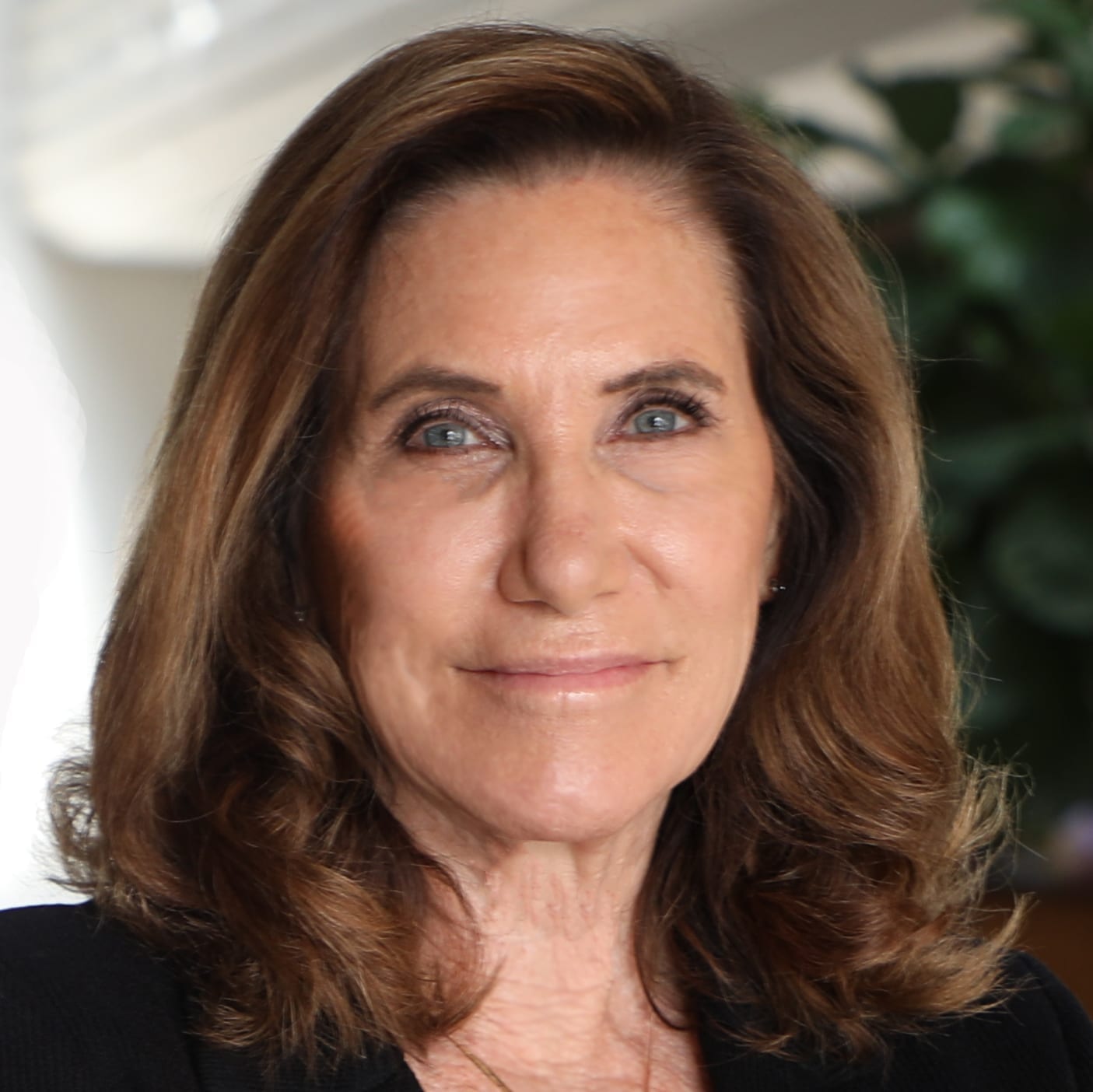 Dr. Pamela Rutledge is available to reporters for comments on the psychological and social impact of media and technology on individuals, society, organizations and brands.
Many have cited social networks like Twitter and Facebook as having an essential role in spreading and fueling the on-going riots in London and alternative areas of the United Kingdom. But, we appreciate that Social media also taking an active role in the restoration attempts as hundreds of volunteers rally to literally clean up the streets. Related article I read: “Londoners gather for riot cleanup effort” .Open communication for a good cause. A charity work and a community service. A great task!