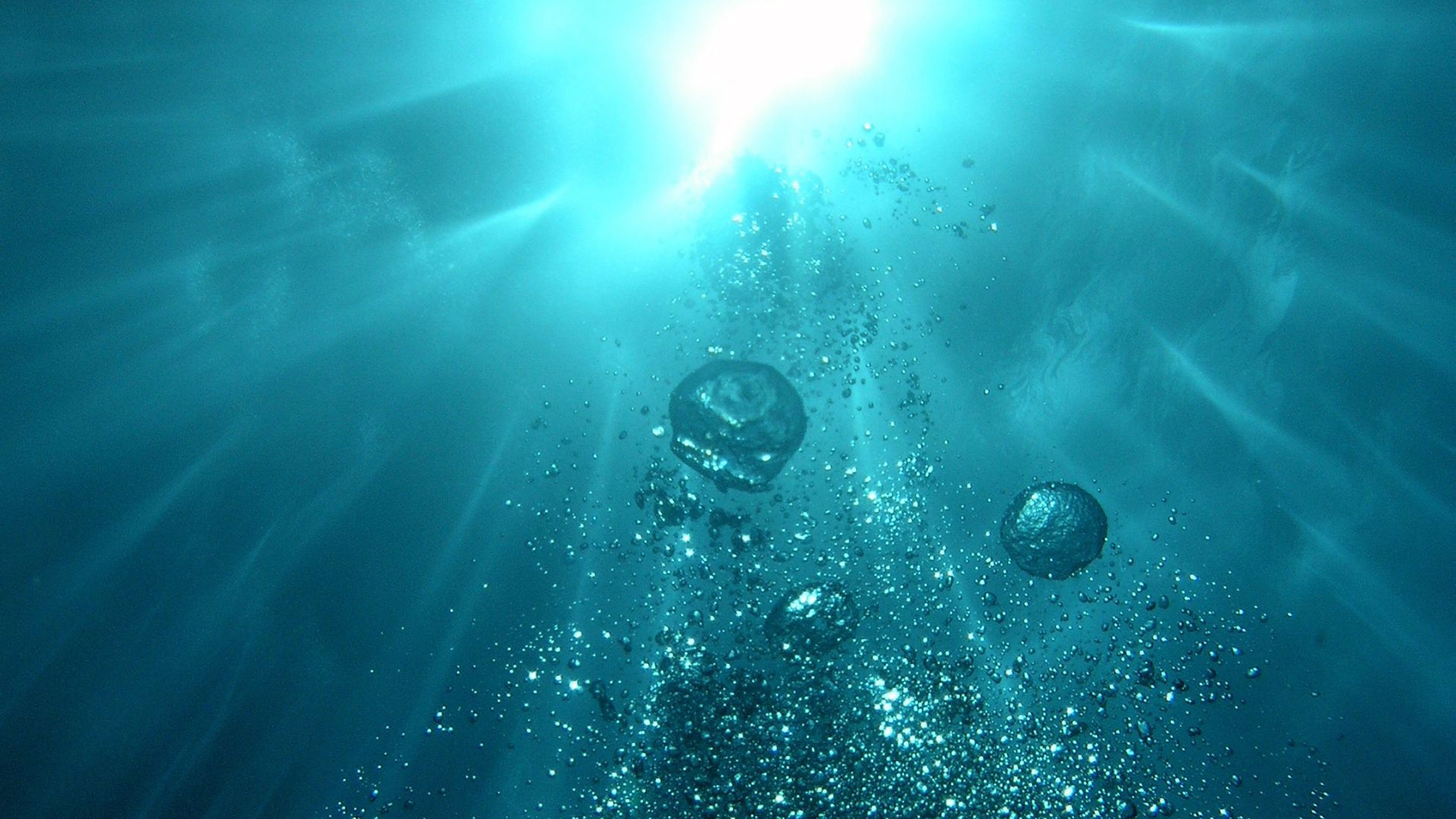
Where’s the empathy? Totally missing. It couldn’t compete with the entertainment value of the Titanic, a lost sub, and wealthy explorers. It made too good a story for social media to resist.\
KEY POINTS
- Disasters capture attention but stories keep us coming back.
- The Titan incident had all the elements of a blockbuster movie, it was too much for social media to resist.
- Social media is attention-driven and rewards extreme content and conspiracy theories.
- Continued speculation perpetuates the increasingly archetypal narrative, independent of actual facts.
The Titan submergible went missing on its way to take five people to see the wreckage of the Titanic. The navy reports it suffered a ‘catastrophic implosion,’ and the five passengers are presumed dead. This is a tragedy. People are grieving. Rather than compassion, however, social media and mass media turned this into an entertainment event. Opinions and theories have erupted from uninformed and misinformed armchair experts and savants. The salaciousness of social media posts puts a real burden on mass media, which gets dragged into the fray to maintain viewership. Compassion and empathy are thrown by the wayside as people point fingers of blame, share their interpretations, and dangle potential conspiracy theories to get views and likes. Why all the attention
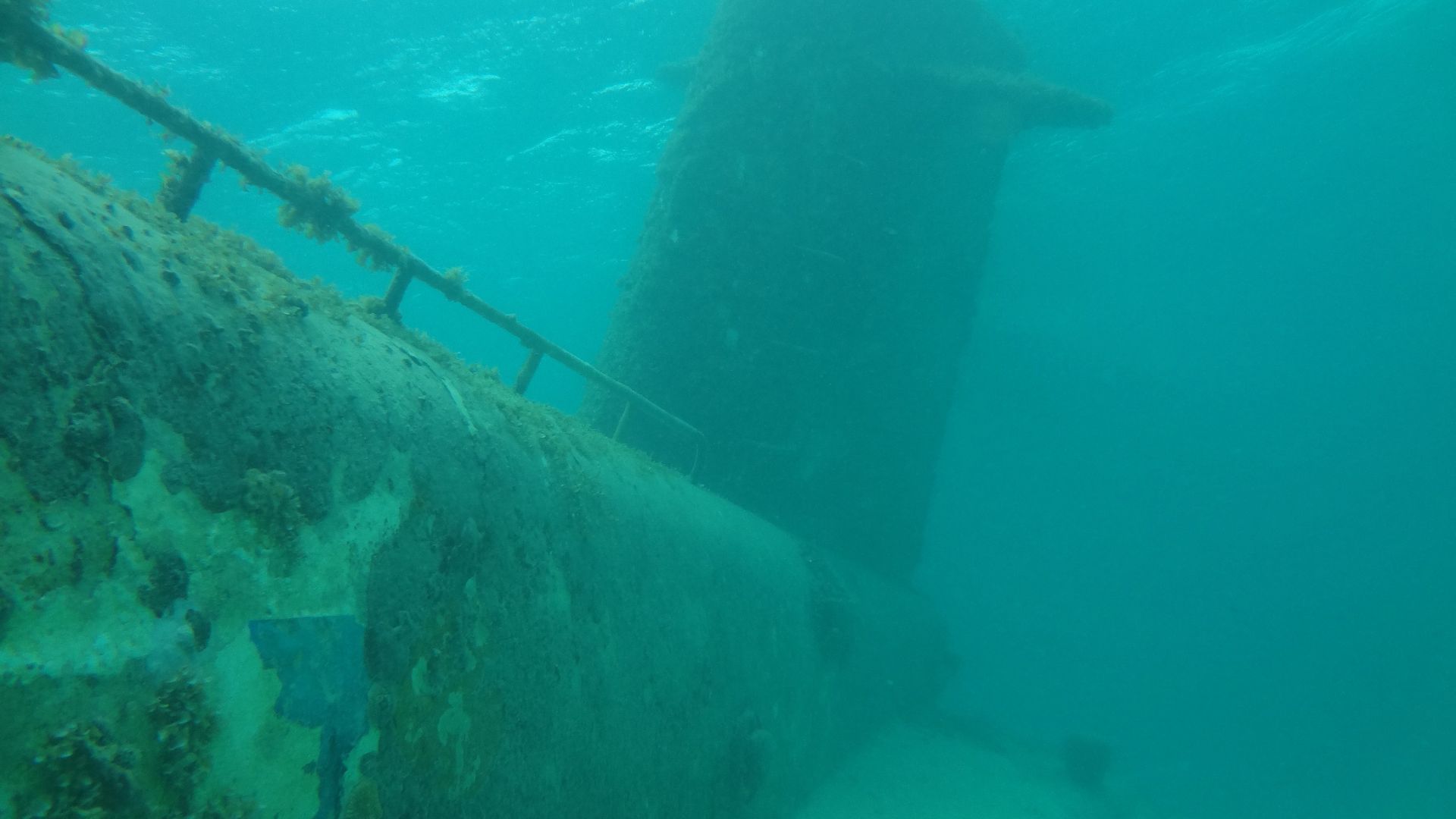
Forgetting for a moment (as many seem to have done) that real people are involved in this tragedy, the event has all the necessary elements of a good melodrama to inspire the imagination. It has extreme tourism, billionaires, mysteries, explosions, search and rescue missions, as well as the mythology of the Titanic. I find the entertainmentification of tragedy on social media troubling. There are psychological reasons why people can easily set aside human misfortune and turn something like the Titan incident into entertainment. But it comes at a cost to us all.
Humans Are Storytellers
Our brains automatically organize events—whether related or relevant doesn’t matter—into patterns to create a story that gives experiences meaning. The human brain is also wired to be hypersensitive to danger, so disasters get our attention. It’s an instinctive response to confirm that we are not personally in danger. This is virtual rubbernecking on a grand scale.
It’s About Rich People
The five people on board the Titan had enough money to pay $250,000 for a seat on the submersible to see the wreckage of the Titanic. In a world of people struggling, such excesses can seem somewhere between wasteful and immoral, lowering our compassion. Yet, many people envy wealth with a mixture of curiosity and envy. Based on ratings of shows like Real Housewives there is a voyeuristic fascination with the rich. People also like to see wealthy people get pulled off their pedestals. When rich and privileged people run into trouble or behave badly and get caught, we feel better because it shows that underneath it all, they are normal and mortal, cracking the veneer of privilege. It makes us feel less inferior.
There Is a Mystery
The submersible lost communication some hours before the explosion. The lack of communication created a narrative space for making up a multitude of different scenarios. Social media is full of armchair detectives, seers, and “experts” who get attention by proposing outlandish theories with great authority. Attention is a form of power. Getting views makes people feel special and important and, with enough followers, can even generate income. There is no incentive to be reasonable or empathetic. Social media creates a reward-based system that encourages the outrageous and extreme. Video posts, such as on TikTok, can increase the believability of information by altering the depth of processing (Sundar et al., 2021). Sadly, research has shown that believing a story is false does not stop people from spreading it (Ceylan et al., 2023). Sharing serves many psychological functions by signaling other meanings, such as political affiliation, social identity, or even emotions, such as loneliness or sympathy.
Uncertainty Adds to the Appeal
Uncertainty is uncomfortable and affects our judgment (Tversky and Kahneman, 1982). Conspiracy theories offer a simplistic, reductionist explanation for the phenomenon that doesn’t make sense and usually gives the audience someone to blame. Subscribing to conspiracy theories reduces anxiety. Being part of a group that believes or is searching for “clues” adds to that feeling by creating a sense of belonging fueled by moral certitude. Social media detectives tried to solve Gabby Petito’s murder and the Idaho murders and, in some cases, did irreparable damage by wasting law enforcement resources and falsely accusing innocent people and making them the target of social media vitriol. Combine people’s instinctive drive to avoid uncertainty through information-seeking with the desire for social validation by social media attention-seekers, and you have the perfect storm for a conspiracy theory to take hold.
Mythology Gave It Added Meaning
The Titanic is a quintessential symbol of a maritime disaster. It has been turned into a powerful myth and has generated its own set of conspiracy theories, thanks in large measure to being the subject of one of the most successful movies of all time. James Cameron, the director of The Titanic, further activated the public’s imagination by drawing parallels between the sinking of the Titanic and the loss of the Titan. Not only did this reinforce the entertainment value of the missing sub, but Cameron’s opinions on the Titan’s safety are powerful and, hence, more likely to be believed due to the halo effect of his tremendous success as a Hollywood director, not any direct expertise with that particular equipment or in marine engineering.
Rescues Are Romantic
Search and rescue activate romantic metaphors. The unfilled dreams and love inherent in the Titanic narrative helped elevate the search and rescue efforts to locate the Titan. Being saved means surviving, something we all have a vested interest in. We are reassured by successful rescues as they increase our sense of agency and hope. It is an archetypal movie plot, with heroes defeating evil villains or powerful natural forces and rescuing the victims just in time. People naturally gravitate to archetypal meanings (Bradshaw and Storm, 2013). The suspense in the unsatisfied desire to be saved is kept alive through rehashing details, producing conspiracy theories, and creating narrative rabbit holes related to different aspects of the story. TikTok is full of Titan-adjacent posts, such as what it’s like in a submersible, what it’s like in the Titanic wreck, or what it’s like to search underwater.
Lack of Accountability and Compassion
Social media (helped along by our gullibility) remove accountability. The posts you see are milking the Titan tragedy and reflect personal attention-seeking, social validation, and self-motivated agendas—even if they claim to be “helping.” They are not concerned with accuracy, the people presumed dead in the accident, or the families left to grieve them.
Although social media provides a useful platform for sharing information, events like the Titan incident highlight the ugly side that drives content creation without consideration for accuracy and certainly with no regard for grieving families. While it’s easy to see how the Titan submersible incident captured and fueled speculation, it also exposes a lack of compassion and critical thinking, not to mention an excess of hubris. I like to think that politicians and social media companies will get smarter and rather than regulating when people can use social media, start looking at how people use it and how to enforce some standard of accountability. Normalizing a lack of empathy hurts us all.
References
Bradshaw, S., & Storm, L. (2013). Archetypes, symbols and the apprehension of meaning. International Journal of Jungian studies, 5(2), 154-176. https://doi.org/https://doi.org/10.1080/19409052.2012.685662
Ceylan, G., Anderson, I. A., & Wood, W. (2023). Sharing of misinformation is habitual, not just lazy or biased. Proceedings of the National Academy of Sciences, 120(4), e2216614120. https://doi.org/doi:10.1073/pnas.2216614120
Sundar, S. S., Molina, M. D., & Cho, E. (2021). Seeing Is Believing: Is Video Modality More Powerful in Spreading Fake News via Online Messaging Apps? Journal of Computer-Mediated Communication, 26(6), 301-319. https://doi.org/10.1093/jcmc/zmab010
Tversky, A., & Kahneman, D. (1982). Judgment under uncertainty: Heuristics and bias. In D. Kahneman, P. Slovic, & A. Tversky (Eds.), Judgment under uncertainty: Heuristics and bias (pp. 3-20). Cambridge University Press.

 Dr. Pamela Rutledge is available to reporters for comments on the psychological and social impact of media and technology on individuals, society, organizations and brands.