DR. PAM | MEDIA PSYCHOLOGIST
THE PSYCHOLOGY OF DIGITAL BEHAVIORS
  • Home
  • Blog
  • About
    • About Dr. Pamela Rutledge
    • Media Psychology
      • What Is A Media Psychologist?
      • 8 Reasons Why We Need Media Psychology
      • Careers in Media Psychology
      • Example Careers in Media Psychology
      • Media Psychology at Fielding Graduate University
      • Positive Media Psychology
    • MPRC
      • Media Psychology Research Center
    • Media Psychology Review
  • Consulting
    • Speaking & Consulting
    • Audience Engagement: Why Use Personas?
      • How to Build a Persona
    • Adapting to Change
    • Transmedia Storytelling
      • Storytelling Across Platforms
      • Transmedia Storytelling Starts with the Power of Story
      • Our Transmedia World
      • Transmedia Case Study: The Three Little Pigs
      • Transmedia Storytelling Workshop
  • Story Power
    • Brand Storytelling
    • Storytelling: Brands, Entertainment & Organizations
      • Storytelling for Organizations
      • Core Story: Case Study
  • In the News
    • Press Quotes & Interviews 2022-2025
    • 2021-2019
    • 2018-2016
    • 2016-2017
    • 2015-2013
    • 2012 & EARLIER
    • Video Interviews & Webinars
  • Resources
    • Mindful Media & Digital Literacy
      • Positive Media Psychology
      • Benefits of Video Games Part 1
      • Benefits of Video Games Part 2
      • Benefits of Video Games Part 3
      • Becoming Mindful: Exercises
      • Mindful Media Journal
    • Academic Materials
      • Media Psychology Syllabus 2021
      • Media Psychology Syllabus 2012
      • Media Psychology Syllabus 2015
    • Articles
      • Persuasion & Augmented Reality
      • Psychology of Transmedia Engagement
      • Theories of Attention
      • The Psychology of Color
      • Website Design: How to Use Psych Theory
      • Data Strategy: Listen to Your Consumers’ Stories
      • The Psychology of Story
  • Archives
  • Contact
DR. PAM | MEDIA PSYCHOLOGIST
  • Home
  • Blog
  • About
    • About Dr. Pamela Rutledge
    • Media Psychology
      • What Is A Media Psychologist?
      • 8 Reasons Why We Need Media Psychology
      • Careers in Media Psychology
      • Example Careers in Media Psychology
      • Media Psychology at Fielding Graduate University
      • Positive Media Psychology
    • MPRC
      • Media Psychology Research Center
    • Media Psychology Review
  • Consulting
    • Speaking & Consulting
    • Audience Engagement: Why Use Personas?
      • How to Build a Persona
    • Adapting to Change
    • Transmedia Storytelling
      • Storytelling Across Platforms
      • Transmedia Storytelling Starts with the Power of Story
      • Our Transmedia World
      • Transmedia Case Study: The Three Little Pigs
      • Transmedia Storytelling Workshop
  • Story Power
    • Brand Storytelling
    • Storytelling: Brands, Entertainment & Organizations
      • Storytelling for Organizations
      • Core Story: Case Study
  • In the News
    • Press Quotes & Interviews 2022-2025
    • 2021-2019
    • 2018-2016
    • 2016-2017
    • 2015-2013
    • 2012 & EARLIER
    • Video Interviews & Webinars
  • Resources
    • Mindful Media & Digital Literacy
      • Positive Media Psychology
      • Benefits of Video Games Part 1
      • Benefits of Video Games Part 2
      • Benefits of Video Games Part 3
      • Becoming Mindful: Exercises
      • Mindful Media Journal
    • Academic Materials
      • Media Psychology Syllabus 2021
      • Media Psychology Syllabus 2012
      • Media Psychology Syllabus 2015
    • Articles
      • Persuasion & Augmented Reality
      • Psychology of Transmedia Engagement
      • Theories of Attention
      • The Psychology of Color
      • Website Design: How to Use Psych Theory
      • Data Strategy: Listen to Your Consumers’ Stories
      • The Psychology of Story
  • Archives
  • Contact
Mar 04

How Parents Can Help Teens Navigate Cancel Culture

  • March 4, 2021
  • Pamela Rutledge
  • No Comments

Almost all good parenting advice starts with communication.  Here are some tips to help guide your conversation when it comes to tackling cancel culture.

The first step in any hard conversation is to be a detective.  Before you share your ideas and concerns,  if you find out what the other person thinks, you will have a much more successful talk and be more l likely to be heard yourself.  You have to know what kids think and believe before you can provide any guidance.  Their view and priorities are unlikely to be the same as yours.  You want them to grow up to be happy, fulfilled, and strong.  They want to have friends and get invited to the party next week (or next year, as the COVID-case may be).

Keep communication open and nonjudgmental.  News stories about cancel culture make great conversation starters.  Use them to find out what your kids think and if they are aware of it happening among their friends or at their school.  Having an open conversation about what happened to someone else provides a safe space for kids to talk about a subject without having to disclose what is happening to them.  It also provides a way to discuss strategies for dealing with it.

Listen empathetically.  While cancel culture moves fast, don’t dismiss your teen’s anxiety, pain, and angst.  Don’t say, “oh, it will all be over in a week. A week seems like a lifetime when you’re a young teen.

Compare canceling and cyberbullying.  There are lots of questions you can ask around this.  For example, why would canceling be used with good intentions?  Teens often feel like others should be called out for insulting behavior.  Is there a way to acknowledge someone’s faults or mistakes and work with the individual to prevent the mistake from happening again?  Is it OK to condemn someone based on one mistake? What would it mean to be “called in” instead of “called out?”  Calling people out is unlikely to fix any issue, change attitudes or improve behavior.

What To Do If Your Child is Canceled

For the parent:

  • Don’t freak out.
  • Don’t try to fix it all by yourself.  Your teen needs to feel that they have the ability to navigate their digital world.  That comes with practice and skills.
  • Empower your teen to take action with some good conflict resolution skills.
  • Help them see themselves as targets, not victims.  Victims are weak.
  • Acknowledge their pain and shame but reframe them– those negative emotions are about the bully’s needs and shortcomings.
  • Don’t wait for something bad to happen. Invest early and often in conversations so your kids will be comfortable coming to you if trouble does occur.  If they fear you will freak out or take their phone, you won’t hear about it until it’s too late.

For the teen:

  • Don’t retaliate—that is an emotional tendency that that just gives the bullies what they want.
  • Document the harassment with screenshots and then delete them.
  • Block the offender
  • Identify responsible adults and authority figures they can go to report the experience.
  • Don’t feel bad for feeling bad.  Being bullied hurts.  Acknowledge it, but don’t get stuck there.  As awful as it is to be targeted, the more you dwell on it, the worse you will feel–and the more the bully “wins.”

If To Do If Your Child is Canceling Others

  • Find out why – communicate don’t scold
  • Talk through the situation and brainstorm other approaches; try perspective switching
  • Looks for signs of low self-esteem or need for attention so you can address the root cause rather than the symptoms
  • Provide meaningful and limited consequences
  • Monitor the situation.  There are lots of places to get professional help if you need it.

Check out Cyberwise Chats.  On March 9, 2021, Dr. Rutledge joins Diana Graber from Cyberwise for another Tech Topic Tuesday with guest Parentology Editor Rick Andreoli to tackle Cancel Culture.

If you miss it, look for the video under  Resources  > Recent Webinars

  • Facebook
  • Twitter
  • Reddit
  • LinkedIn
  • E-Mail

About The Author

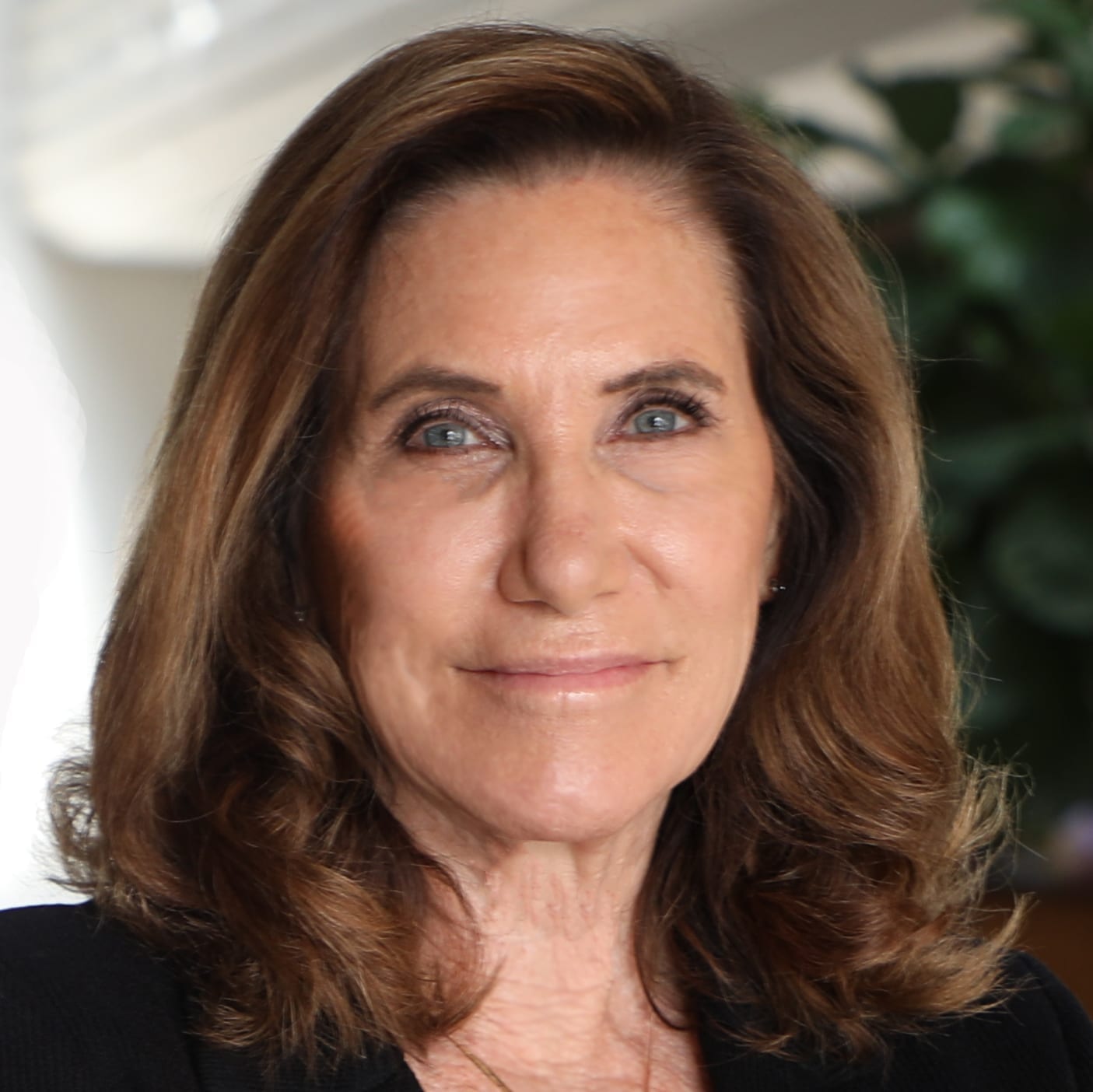
Pamela Rutledge, PhD, MBA is the Director of the Media Psychology Research Center. A consultant, author, speaker, and professor, she consults on a variety of media projects developing audience engagement and brand storytelling strategies.

Leave a reply

Your email address will not be published. Required fields are marked *

This site uses Akismet to reduce spam. Learn how your comment data is processed.

FOR THE PRESS

Dr. Pam Rutledge, media psychologistDr. Pamela Rutledge is available to reporters for comments on the psychological and social impact of media and technology on individuals, society, organizations and brands.  pamelarutledge@gmail.com

SEARCH THE SITE

RECENT POSTS

  • The Legacy of Daytime Talk Shows Lives in Your Feed
  • Oprah's High Road: Diverging Paths in Daytime Talk Shows
  • Daytime Talk Shows: Why We Couldn’t Look Away
  • FAFO Parenting: Letting Kids Learn the Hard Way
  • Meta Is Using Your AI Chats to “Personalize Your Experience”

MEDIA PSYCHOLOGY RESEARCH

The Media Psychology Research Center (MPRC) is an independent research organization directed by Dr. Pam Rutledge.  Read about MPRC at www.mprcenter.org.

CONSULTING PROJECTS

Dr. Rutledge consults on a variety of media projects using psychology to translate data into human behavior for powerful results.

  • Parenting in a Digital World webinar series
  • Persona Development for audience segmentation
  • Fan and Audience Engagement: Identifying audience narratives to satisfy needs
  • Brand Storytelling: Supercharging brand meaning

RECENT POSTS

  • The Legacy of Daytime Talk Shows Lives in Your Feed
  • Oprah's High Road: Diverging Paths in Daytime Talk Shows
  • Daytime Talk Shows: Why We Couldn’t Look Away
  • FAFO Parenting: Letting Kids Learn the Hard Way
  • Meta Is Using Your AI Chats to “Personalize Your Experience”

SEARCH

Content copyright Pamela Rutledge 2026.