DR. PAM | MEDIA PSYCHOLOGIST
THE PSYCHOLOGY OF DIGITAL BEHAVIORS
  • Home
  • Blog
  • About
    • About Dr. Pamela Rutledge
    • Media Psychology
      • What Is A Media Psychologist?
      • 8 Reasons Why We Need Media Psychology
      • Careers in Media Psychology
      • Example Careers in Media Psychology
      • Media Psychology at Fielding Graduate University
      • Positive Media Psychology
    • MPRC
      • Media Psychology Research Center
    • Media Psychology Review
  • Consulting
    • Speaking & Consulting
    • Audience Engagement: Why Use Personas?
      • How to Build a Persona
    • Adapting to Change
    • Transmedia Storytelling
      • Storytelling Across Platforms
      • Transmedia Storytelling Starts with the Power of Story
      • Our Transmedia World
      • Transmedia Case Study: The Three Little Pigs
      • Transmedia Storytelling Workshop
  • Story Power
    • Brand Storytelling
    • Storytelling: Brands, Entertainment & Organizations
      • Storytelling for Organizations
      • Core Story: Case Study
  • In the News
    • Press Quotes & Interviews 2022-2025
    • 2021-2019
    • 2018-2016
    • 2016-2017
    • 2015-2013
    • 2012 & EARLIER
    • Video Interviews & Webinars
  • Resources
    • Mindful Media & Digital Literacy
      • Positive Media Psychology
      • Benefits of Video Games Part 1
      • Benefits of Video Games Part 2
      • Benefits of Video Games Part 3
      • Becoming Mindful: Exercises
      • Mindful Media Journal
    • Academic Materials
      • Media Psychology Syllabus 2021
      • Media Psychology Syllabus 2012
      • Media Psychology Syllabus 2015
    • Articles
      • Persuasion & Augmented Reality
      • Psychology of Transmedia Engagement
      • Theories of Attention
      • The Psychology of Color
      • Website Design: How to Use Psych Theory
      • Data Strategy: Listen to Your Consumers’ Stories
      • The Psychology of Story
  • Archives
  • Contact
DR. PAM | MEDIA PSYCHOLOGIST
  • Home
  • Blog
  • About
    • About Dr. Pamela Rutledge
    • Media Psychology
      • What Is A Media Psychologist?
      • 8 Reasons Why We Need Media Psychology
      • Careers in Media Psychology
      • Example Careers in Media Psychology
      • Media Psychology at Fielding Graduate University
      • Positive Media Psychology
    • MPRC
      • Media Psychology Research Center
    • Media Psychology Review
  • Consulting
    • Speaking & Consulting
    • Audience Engagement: Why Use Personas?
      • How to Build a Persona
    • Adapting to Change
    • Transmedia Storytelling
      • Storytelling Across Platforms
      • Transmedia Storytelling Starts with the Power of Story
      • Our Transmedia World
      • Transmedia Case Study: The Three Little Pigs
      • Transmedia Storytelling Workshop
  • Story Power
    • Brand Storytelling
    • Storytelling: Brands, Entertainment & Organizations
      • Storytelling for Organizations
      • Core Story: Case Study
  • In the News
    • Press Quotes & Interviews 2022-2025
    • 2021-2019
    • 2018-2016
    • 2016-2017
    • 2015-2013
    • 2012 & EARLIER
    • Video Interviews & Webinars
  • Resources
    • Mindful Media & Digital Literacy
      • Positive Media Psychology
      • Benefits of Video Games Part 1
      • Benefits of Video Games Part 2
      • Benefits of Video Games Part 3
      • Becoming Mindful: Exercises
      • Mindful Media Journal
    • Academic Materials
      • Media Psychology Syllabus 2021
      • Media Psychology Syllabus 2012
      • Media Psychology Syllabus 2015
    • Articles
      • Persuasion & Augmented Reality
      • Psychology of Transmedia Engagement
      • Theories of Attention
      • The Psychology of Color
      • Website Design: How to Use Psych Theory
      • Data Strategy: Listen to Your Consumers’ Stories
      • The Psychology of Story
  • Archives
  • Contact
Jan 12

From Coke to Burberry: Dynamic or Transmedia Storytelling

  • January 12, 2015
  • Pamela Rutledge
  • 7 Comments

art_of_trench_burberryQ: Are dynamic storytelling and transmedia storytelling the same thing?

A: Dynamic storytelling, used in the context of the Coca Cola initiative, is storytelling designed to adapt to social-connected multi-platform world where stories are shared, co-created and relational, adapting and evolving through the audience. Transmedia storytelling is another way of saying this, although Coke might argue that it isn’t as expansive or integrated enough as dynamic storytelling is with their Brand Vision and Architecture. Transmedia storytelling can, in fact, mean different things—and the definition of it is often debated. For some applications, a transmedia story takes a well-defined storyworld and crafts stories that allow the audience to experience, explore and expand that world. Entertainment properties tend to fit this definition. Brand stories are different because much of the brand story lives in the consumer’s head. That’s their brand equity. Coke’s brilliance has been creating an integrated and consistent message that triggers existing metaphors in new ways and expanding the cognitive and emotional relationship it shares with its customers.

The danger for Coke (and probably one they ‘ve addressed as they’re very good at this marketing stuff) is that they become so focused on the processes and jargon inherent in their Dynamic Storytelling approach and lose site of the core human emotions that fuel their most effective brand stories and relationships.

From my perspective, Dynamic Storytelling and Transmedia Storytelling are the same.  They both are an intentional story-based approach for our evolving environment; they both tell stories designed to take advantage of multiplatform distribution and the importance of coherence to a core story–in Coke’s case this is referred to as Live Positively. The Coke storyworld is created by our combined and individual understandings of what it means to live positively, to share joy. The social technologies allow them to encourage and benefit from their customer-storytellers, further integrating the Coke story with that of the consumer’s. Coke also benefits from a core story that is totally aspirational. It isn’t a surprise that Coke sales rise when times are hard. It speaks to humanity and hope, even if it is a soft drink.

Q: Can a luxury brand use transmedia storytelling in a way that’s in line with brand positioning?

A: Any brand can use transmedia storytelling. A brand is, after all, a story. Transmedia storytelling just demands the intentional use of multiple platforms to tell consistent and additive narratives that extend the brand’s core story.  In my presentation “Transmedia Storytelling as a Content Marketing Strategy” I show how different brand archetypes can use Transmedia Storytelling.  The purpose of archetypes in brand story development is to focus the brands story and identify the core values and universal metaphors that will facilitate the connection between the brand and the customer. A good brand story invites the customer in emotionally long before the bells and whistles of elaborate content. A transmedia storytelling campaign translates human emotions and experience into shared metaphors.

The fashion world has many other examples of creating a personality and archetype that embodies their brand. Chanel and Tiffany’s, for example, create narratives around their core story. Prada launched a short film at Cannes that missed the mark from a psychological perspective. The too little too late humor does not support their brand story, unless they want to be perceived as the clothes of the rich, spoiled and self-indulgent. That’s definitely a market, but smaller than the ‘everyone’ their tagline suggests. The long set-up and the impact of Helena Bonham Carter on the screen makes the tagline “Prada Suits Everyone” rather disingenuous, even allowing for the fact that we expect Bonham Carter to do something truly outrageous at any moment.  Armani has engaged fans by launching Twitter-based discussions.

Burberry is an another example of a high fashion brand creating a transmedia story, “The Art of the Trench” playing on the rich metaphors of trench coats and Burberry brand as dominating that product—so much so that Burberry has achieved being seen as synonymous with trench much the way that Kleenex is with tissues or Coke is with cola, Pepsi notwithstanding. Burberry has shown great courage in taking a luxury brand into social waters, but it was, and is, necessary for any fashion house that wants to grow their business beyond couture. There is a good slideshare on the Burberry case by Isabelle Quevilly, Brilliant Noise.

  • Facebook
  • Twitter
  • Reddit
  • LinkedIn
  • E-Mail

About The Author

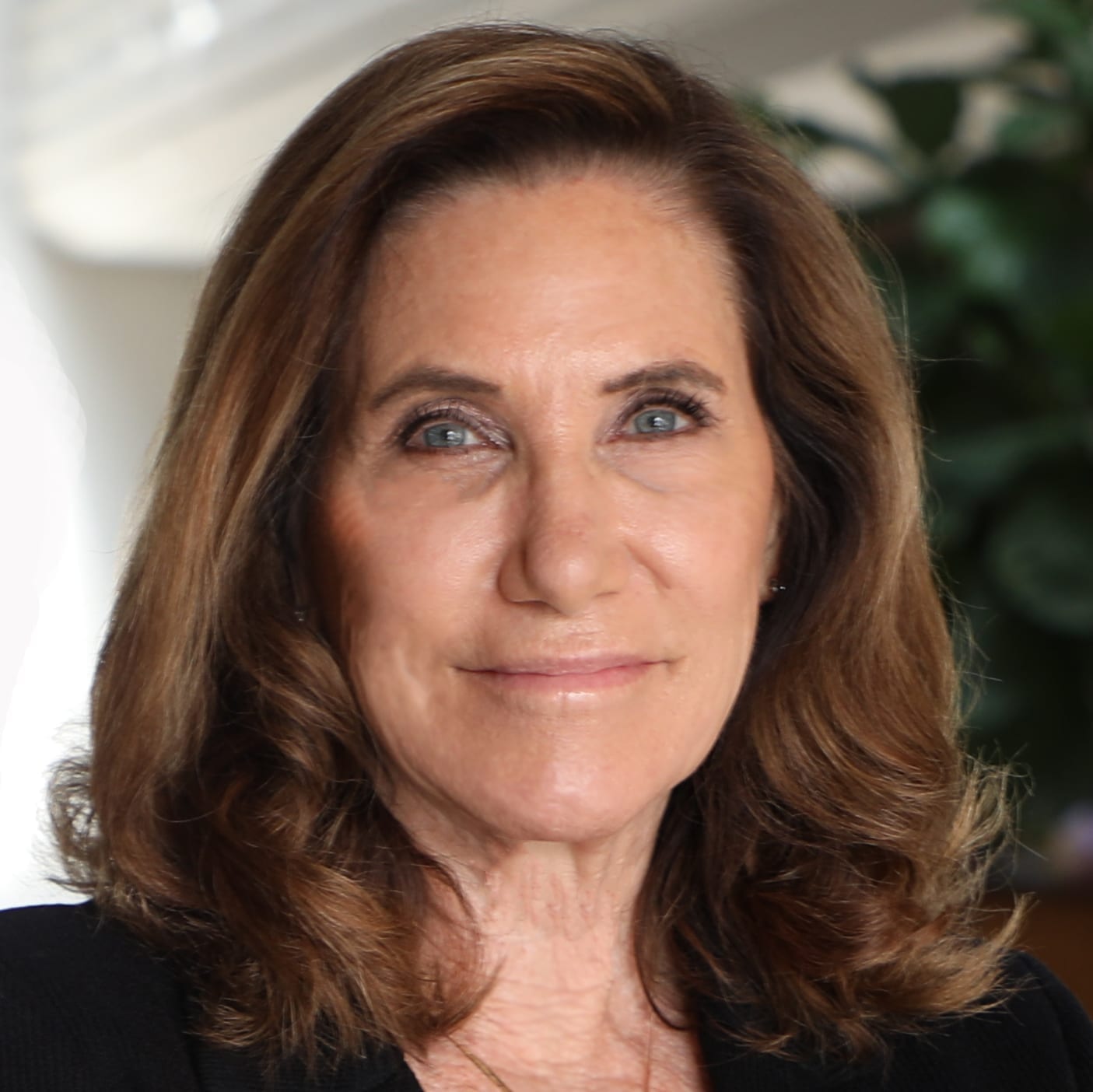
Pamela Rutledge, PhD, MBA is the Director of the Media Psychology Research Center. A consultant, author, speaker, and professor, she consults on a variety of media projects developing audience engagement and brand storytelling strategies.

7 Comments

  1. Shane Pase
    January 12, 2015 at 7:32 pm ·

    Shane Pase liked this on Facebook.

  2. PsychoBest
    January 12, 2015 at 8:50 pm ·

    From Coke to Burberry: Dynamic or Transmedia Storytelling http://t.co/utAXCUvdXo #psychology

  3. Digcron
    January 13, 2015 at 10:05 am ·

    From Coke to Burberry: Dynamic or Transmedia Storytelling http://t.co/edPRAaslWX

  4. JMCoronaR
    January 13, 2015 at 10:11 am ·

    From Coke to Burberry: Dynamic or Transmedia Storytelling http://t.co/v4lzk3RGvn

  5. vlst
    January 13, 2015 at 12:19 pm ·

    From Coke to Burberry: Dynamic or Transmedia Storytelling: The Digital Rocking Chair’s insight:Dr. Pamela Rutl… http://t.co/loBFd0tELf

  6. somanoid
    January 14, 2015 at 6:22 am ·

    From Coke to Burberry: Dynamic or #Transmedia Storytelling http://t.co/O0pTTy4Xp4 via @pamelarutledge

  7. siegfr_
    January 16, 2015 at 2:33 am ·

    From Coke to Burberry: Dynamic or #Transmedia Storytelling: dynamic storytelling & transmedia storytelling the same? http://t.co/8a5jWm3gkt

Leave a reply

Your email address will not be published. Required fields are marked *

This site uses Akismet to reduce spam. Learn how your comment data is processed.

FOR THE PRESS

Dr. Pam Rutledge, media psychologistDr. Pamela Rutledge is available to reporters for comments on the psychological and social impact of media and technology on individuals, society, organizations and brands.  pamelarutledge@gmail.com

SEARCH THE SITE

RECENT POSTS

  • The Legacy of Daytime Talk Shows Lives in Your Feed
  • Oprah's High Road: Diverging Paths in Daytime Talk Shows
  • Daytime Talk Shows: Why We Couldn’t Look Away
  • FAFO Parenting: Letting Kids Learn the Hard Way
  • Meta Is Using Your AI Chats to “Personalize Your Experience”

MEDIA PSYCHOLOGY RESEARCH

The Media Psychology Research Center (MPRC) is an independent research organization directed by Dr. Pam Rutledge.  Read about MPRC at www.mprcenter.org.

CONSULTING PROJECTS

Dr. Rutledge consults on a variety of media projects using psychology to translate data into human behavior for powerful results.

  • Parenting in a Digital World webinar series
  • Persona Development for audience segmentation
  • Fan and Audience Engagement: Identifying audience narratives to satisfy needs
  • Brand Storytelling: Supercharging brand meaning

RECENT POSTS

  • The Legacy of Daytime Talk Shows Lives in Your Feed
  • Oprah's High Road: Diverging Paths in Daytime Talk Shows
  • Daytime Talk Shows: Why We Couldn’t Look Away
  • FAFO Parenting: Letting Kids Learn the Hard Way
  • Meta Is Using Your AI Chats to “Personalize Your Experience”

SEARCH

Content copyright Pamela Rutledge 2026.