DR. PAM | MEDIA PSYCHOLOGIST
THE PSYCHOLOGY OF DIGITAL BEHAVIORS
  • Home
  • Blog
  • About
    • About Dr. Pamela Rutledge
    • Media Psychology
      • What Is A Media Psychologist?
      • 8 Reasons Why We Need Media Psychology
      • Careers in Media Psychology
      • Example Careers in Media Psychology
      • Media Psychology at Fielding Graduate University
      • Positive Media Psychology
    • MPRC
      • Media Psychology Research Center
    • Media Psychology Review
  • Consulting
    • Speaking & Consulting
    • Audience Engagement: Why Use Personas?
      • How to Build a Persona
    • Adapting to Change
    • Transmedia Storytelling
      • Storytelling Across Platforms
      • Transmedia Storytelling Starts with the Power of Story
      • Our Transmedia World
      • Transmedia Case Study: The Three Little Pigs
      • Transmedia Storytelling Workshop
  • Story Power
    • Brand Storytelling
    • Storytelling: Brands, Entertainment & Organizations
      • Storytelling for Organizations
      • Core Story: Case Study
  • In the News
    • Press Quotes & Interviews 2022-2025
    • 2021-2019
    • 2018-2016
    • 2016-2017
    • 2015-2013
    • 2012 & EARLIER
    • Video Interviews & Webinars
  • Resources
    • Mindful Media & Digital Literacy
      • Positive Media Psychology
      • Benefits of Video Games Part 1
      • Benefits of Video Games Part 2
      • Benefits of Video Games Part 3
      • Becoming Mindful: Exercises
      • Mindful Media Journal
    • Academic Materials
      • Media Psychology Syllabus 2021
      • Media Psychology Syllabus 2012
      • Media Psychology Syllabus 2015
    • Articles
      • Persuasion & Augmented Reality
      • Psychology of Transmedia Engagement
      • Theories of Attention
      • The Psychology of Color
      • Website Design: How to Use Psych Theory
      • Data Strategy: Listen to Your Consumers’ Stories
      • The Psychology of Story
  • Archives
  • Contact
DR. PAM | MEDIA PSYCHOLOGIST
  • Home
  • Blog
  • About
    • About Dr. Pamela Rutledge
    • Media Psychology
      • What Is A Media Psychologist?
      • 8 Reasons Why We Need Media Psychology
      • Careers in Media Psychology
      • Example Careers in Media Psychology
      • Media Psychology at Fielding Graduate University
      • Positive Media Psychology
    • MPRC
      • Media Psychology Research Center
    • Media Psychology Review
  • Consulting
    • Speaking & Consulting
    • Audience Engagement: Why Use Personas?
      • How to Build a Persona
    • Adapting to Change
    • Transmedia Storytelling
      • Storytelling Across Platforms
      • Transmedia Storytelling Starts with the Power of Story
      • Our Transmedia World
      • Transmedia Case Study: The Three Little Pigs
      • Transmedia Storytelling Workshop
  • Story Power
    • Brand Storytelling
    • Storytelling: Brands, Entertainment & Organizations
      • Storytelling for Organizations
      • Core Story: Case Study
  • In the News
    • Press Quotes & Interviews 2022-2025
    • 2021-2019
    • 2018-2016
    • 2016-2017
    • 2015-2013
    • 2012 & EARLIER
    • Video Interviews & Webinars
  • Resources
    • Mindful Media & Digital Literacy
      • Positive Media Psychology
      • Benefits of Video Games Part 1
      • Benefits of Video Games Part 2
      • Benefits of Video Games Part 3
      • Becoming Mindful: Exercises
      • Mindful Media Journal
    • Academic Materials
      • Media Psychology Syllabus 2021
      • Media Psychology Syllabus 2012
      • Media Psychology Syllabus 2015
    • Articles
      • Persuasion & Augmented Reality
      • Psychology of Transmedia Engagement
      • Theories of Attention
      • The Psychology of Color
      • Website Design: How to Use Psych Theory
      • Data Strategy: Listen to Your Consumers’ Stories
      • The Psychology of Story
  • Archives
  • Contact
May 30

Entanglement as the antidote to Mediacentrism

  • May 30, 2008
  • Pamela Rutledge
  • No Comments

This week was the Gilder-Forbes Telecosm Conference, full of tech-types, entrepreneurs, physicists, inventors, investors, and the generally curious. It is an interesting and intellectual challenging group with inventors and innovators like physicist Carver Mead whose pioneering work led to microchips and a dozen other things we take for granted on a daily basis.

Heady stuff. Here’s where it lead me:
First, from a purely practical point of view, with all the cool inventions on the horizon, it is more important than ever to get media psychologists on board. Knowing if and how technology will be experienced and used is a pretty important part of the process. A fellow from Qualcomm was talking about some extraordinary health/wellness features under development, but admitted that getting people to use them was sometimes a problem. To use a technical media psychology term, DUH!
Even some of the inventors with their outside-the-box creations are still thinking of wireless devices as “cell phones.” Language is an important clue about innovation.

‘Media’ is a perfect example. I have commented (complained? possibly even ranted?) in the past about the view of media as mass media, rather than as information flows. Stuart Fischoff, who I think is smart guy, has been one of the psychologists with media experience who has worked toward forwarding the concept of Media Psychology and is now doing so as a Psychology Today blogger. His recent blog talked about our “media-crazed life” and touched on media establishments, the inundation of media, user choices, and thinking about the good and the bad of it all. There are a lot of people asking those questions, so it clearly touches a nerve.

But I keep wondering if those are the relevant questions to the world we’re living in. Those questions not only box media into a mass media framework, but they imply a perspective that is by no means universal. My young nephew does not view the world as media-crazed. Whatever it is, he’s comfortable with it and likes it fine.

It’s hard not to be guilty of a mediacentrism when our views of media use and communication technologies are, by necessity, informed by our experience and hence our age. Is it agocentrism? We can’t use what isn’t invented yet. We take for granted those things we didn’t learn to see any other way. Media for we boomers, Gen X, Gen Y, and whomever is up next are all vastly different experiences with vastly different meaning. As neuroscientists will tell you, learning goes from being a fluid biological process to the hard work of cognitive change as we age. Doable but involving sweat. Kind of like staying fit past 40.
I hesitate to use a pseudo-science term like paradigm, but we definitely need what Minnie Driver in Grosse Pointe Blank called a “Shockabuku,” that swift spiritual kick to the head that alters our reality forever. Communications technologies have done that for us and we really do have to take notice. In Media Rules, Reich and Solomon suggest that media is a utility, which I like, because it establishes it as a tool to be used by all rather than something independent of us. ‘WE MEDIA’ they call it. Very nice, I think, as a new paradigm.

Back at Telecosm, Carver Mead and Louisa Gilder talked about the physics of entanglement. The meaning of that term in physics is profound, highly mathematical, and beyond my grasp. What I did take away, though, was that entanglement seemed to me the perfect description of human experience and media. Not pejorative, like a bad romance, but elegantly intertwined and mutually reactive. Our ability to proactively develop and use communication technologies demands that we shed the metaphoric confines of the what media used to mean.

  • Facebook
  • Twitter
  • Reddit
  • LinkedIn
  • E-Mail

About The Author

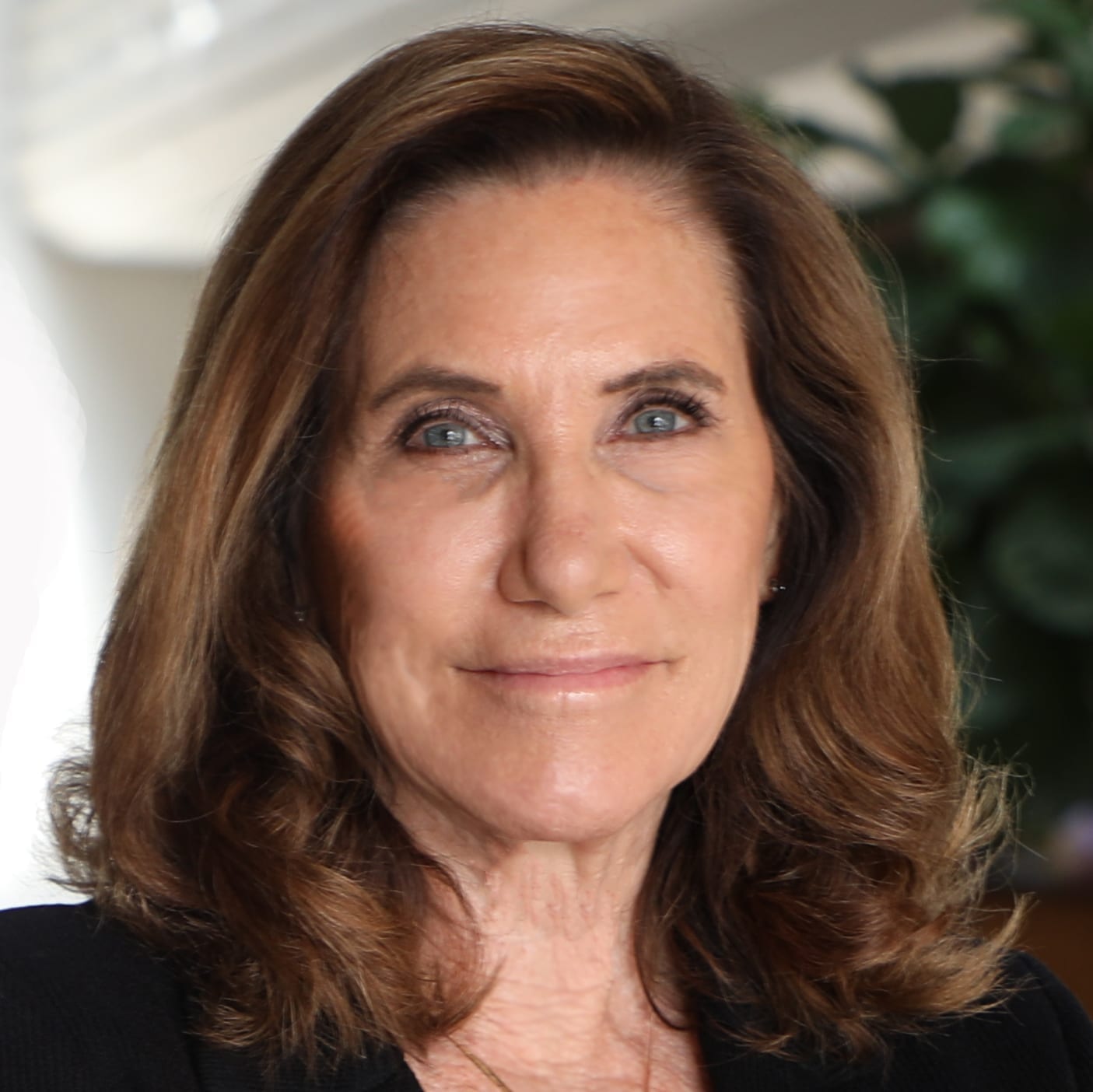
Pamela Rutledge, PhD, MBA is the Director of the Media Psychology Research Center. A consultant, author, speaker, and professor, she consults on a variety of media projects developing audience engagement and brand storytelling strategies.

Comments

  1. ken long
    June 19, 2008 at 3:42 am ·

    It’s true media has educated masses but at the same time it takes some level of intelligence to understand media blogs.
    ———————————————
    ken long
    http://www.drugrehab-center.com

  2. Pamela Rutledge
    June 25, 2008 at 8:36 pm ·

    I would agree that it takes a level of critical thinking to evaluate the quality of the information and/or the bias of the writer, but I think that is true of all information sources, even those who claim to be neutral. I wonder, however, if it takes intelligence or just internet access to read them!

Leave a reply

Your email address will not be published. Required fields are marked *

This site uses Akismet to reduce spam. Learn how your comment data is processed.

FOR THE PRESS

Dr. Pam Rutledge, media psychologistDr. Pamela Rutledge is available to reporters for comments on the psychological and social impact of media and technology on individuals, society, organizations and brands.  pamelarutledge@gmail.com

SEARCH THE SITE

RECENT POSTS

  • The Legacy of Daytime Talk Shows Lives in Your Feed
  • Oprah's High Road: Diverging Paths in Daytime Talk Shows
  • Daytime Talk Shows: Why We Couldn’t Look Away
  • FAFO Parenting: Letting Kids Learn the Hard Way
  • Meta Is Using Your AI Chats to “Personalize Your Experience”

MEDIA PSYCHOLOGY RESEARCH

The Media Psychology Research Center (MPRC) is an independent research organization directed by Dr. Pam Rutledge.  Read about MPRC at www.mprcenter.org.

CONSULTING PROJECTS

Dr. Rutledge consults on a variety of media projects using psychology to translate data into human behavior for powerful results.

  • Parenting in a Digital World webinar series
  • Persona Development for audience segmentation
  • Fan and Audience Engagement: Identifying audience narratives to satisfy needs
  • Brand Storytelling: Supercharging brand meaning

RECENT POSTS

  • The Legacy of Daytime Talk Shows Lives in Your Feed
  • Oprah's High Road: Diverging Paths in Daytime Talk Shows
  • Daytime Talk Shows: Why We Couldn’t Look Away
  • FAFO Parenting: Letting Kids Learn the Hard Way
  • Meta Is Using Your AI Chats to “Personalize Your Experience”

SEARCH

Content copyright Pamela Rutledge 2026.