DR. PAM | MEDIA PSYCHOLOGIST
THE PSYCHOLOGY OF DIGITAL BEHAVIORS
  • Home
  • Blog
  • About
    • About Dr. Pamela Rutledge
    • Media Psychology
      • What Is A Media Psychologist?
      • 8 Reasons Why We Need Media Psychology
      • Careers in Media Psychology
      • Example Careers in Media Psychology
      • Media Psychology at Fielding Graduate University
      • Positive Media Psychology
    • MPRC
      • Media Psychology Research Center
    • Media Psychology Review
  • Consulting
    • Speaking & Consulting
    • Audience Engagement: Why Use Personas?
      • How to Build a Persona
    • Adapting to Change
    • Transmedia Storytelling
      • Storytelling Across Platforms
      • Transmedia Storytelling Starts with the Power of Story
      • Our Transmedia World
      • Transmedia Case Study: The Three Little Pigs
      • Transmedia Storytelling Workshop
  • Story Power
    • Brand Storytelling
    • Storytelling: Brands, Entertainment & Organizations
      • Storytelling for Organizations
      • Core Story: Case Study
  • In the News
    • Press Quotes & Interviews 2022-2025
    • 2021-2019
    • 2018-2016
    • 2016-2017
    • 2015-2013
    • 2012 & EARLIER
    • Video Interviews & Webinars
  • Resources
    • Mindful Media & Digital Literacy
      • Positive Media Psychology
      • Benefits of Video Games Part 1
      • Benefits of Video Games Part 2
      • Benefits of Video Games Part 3
      • Becoming Mindful: Exercises
      • Mindful Media Journal
    • Academic Materials
      • Media Psychology Syllabus 2021
      • Media Psychology Syllabus 2012
      • Media Psychology Syllabus 2015
    • Articles
      • Persuasion & Augmented Reality
      • Psychology of Transmedia Engagement
      • Theories of Attention
      • The Psychology of Color
      • Website Design: How to Use Psych Theory
      • Data Strategy: Listen to Your Consumers’ Stories
      • The Psychology of Story
  • Archives
  • Contact
DR. PAM | MEDIA PSYCHOLOGIST
  • Home
  • Blog
  • About
    • About Dr. Pamela Rutledge
    • Media Psychology
      • What Is A Media Psychologist?
      • 8 Reasons Why We Need Media Psychology
      • Careers in Media Psychology
      • Example Careers in Media Psychology
      • Media Psychology at Fielding Graduate University
      • Positive Media Psychology
    • MPRC
      • Media Psychology Research Center
    • Media Psychology Review
  • Consulting
    • Speaking & Consulting
    • Audience Engagement: Why Use Personas?
      • How to Build a Persona
    • Adapting to Change
    • Transmedia Storytelling
      • Storytelling Across Platforms
      • Transmedia Storytelling Starts with the Power of Story
      • Our Transmedia World
      • Transmedia Case Study: The Three Little Pigs
      • Transmedia Storytelling Workshop
  • Story Power
    • Brand Storytelling
    • Storytelling: Brands, Entertainment & Organizations
      • Storytelling for Organizations
      • Core Story: Case Study
  • In the News
    • Press Quotes & Interviews 2022-2025
    • 2021-2019
    • 2018-2016
    • 2016-2017
    • 2015-2013
    • 2012 & EARLIER
    • Video Interviews & Webinars
  • Resources
    • Mindful Media & Digital Literacy
      • Positive Media Psychology
      • Benefits of Video Games Part 1
      • Benefits of Video Games Part 2
      • Benefits of Video Games Part 3
      • Becoming Mindful: Exercises
      • Mindful Media Journal
    • Academic Materials
      • Media Psychology Syllabus 2021
      • Media Psychology Syllabus 2012
      • Media Psychology Syllabus 2015
    • Articles
      • Persuasion & Augmented Reality
      • Psychology of Transmedia Engagement
      • Theories of Attention
      • The Psychology of Color
      • Website Design: How to Use Psych Theory
      • Data Strategy: Listen to Your Consumers’ Stories
      • The Psychology of Story
  • Archives
  • Contact
Aug 27

Virgina Shooting: Social Media as Pulse of Tragedy

  • August 27, 2015
  • Pamela Rutledge
  • 5 Comments

Public acts of violence are just that, public.  They are meant to be overt demonstrations of the perpetrator’s power and purpose, offsetting feelings of alienation and powerlessness that are associated with such acts. In focusing on social media and this distribution, however, we lose sight of the contribution that mental illness plays. That’s the outlier, not the use of social media.

Social media is the new normal. It is embedded across our lives in countless ways whether we’re Facebook or Twitter users or not. Even if you never look at social media, the influence of globally networked information flows will still impact the things you hear, the stories you read in the newspapers and what your friends are talking about. The immediacy and authenticity of social media, it’s ability to capture process and emotion is unparalleled except in the best of the arts. Yet, in the aftermath of tragic events such as the Smith Mountain Lake Virginia shooting, the first question people ask is why would someone post such a heinous act on social media?

Many mass media stories focus on the posting on social media as a unique feature of this event. But it is not. It is a sign of the times that we experience the broader world up close and personal. The bad part is that it truly is horrible to see others suffer such random acts of violence. These events dominate mass media. You may think they would also dominate social media, and in a sense they do. They ‘trend’ as people like to say. They do not, however, take over. There are too many other voices, events and concerns that, except in the largest of cataclysms, rarely pause.  In social media, you have to search.  You see others share, of course, but it flows by like a stream.  You may see it, you may not. You can, of course, find it if you search for it, but that’s by your choice.   We all have infinitely more control over what we see on social media than on mass media, so this concern of social media inflicting the horribleness of any event on us is vastly overstated.  And while I do, on the one hand, applaud the intentions of social media companies who are trying to respond to social outcry and monitor and curate proof of senseless social violence, we need to be careful that we don’t offload the responsibility of judgment about what we see and share for two reasons:  1) Just because we don’t see it, doesn’t mean it isn’t there, and 2) The essence of free speech is not allowing someone else’s values to dictate what is and isn’t okay for the public forum.   We humans seem to easily forget our most embarrassing histories where we ceded our moral authority out of fear, such as McCarthyism.

The value of this type of expression is that we DO see what’s happening to others.  This gives us a chance to experience empathy beyond our immediate circle and to express support and caring to others in greater magnitudes than was every possible.  Across every great religion and a good deal of psychological theory, not to mention pop psych, we recognize the value of collective positive energy, love and good vibes.  Experiencing such actions in a more forceful way also allows us, as a society, to think about how things go wrong and examine, rationally if possible, the complex social and personal precursors that results in someone with mental illness to reach such a state, arm himself and take action.

Our brains are hardwired to focus on the bad and dangerous, continually scanning the environment for any uncertainty that poses a threat to our survival.  We instinctively try to make sense out of the unexplainable to alleviate our own fear and discomfort.  But the best use of social media is to exercise our conscious cognitive control–take charge of our use and not blame the tools.  This will also allow us to focus on the senseless loss of life of the victims and to celebrate the lives of Alison Parker and Adam Ward as acts of empathy and caring, not inadvertently glorifying the perpetrator.  The shift in emotion from fear to empathy will help each of us, and will also spread across the social networks, changing the social pulse we’re so busy monitoring.

The following are clips from interviews with Sky News UK and Fox21News.com that show the emphasis on looking to explain the role played by social media. (Note: Sky News pulled an old bio.  I am currently teaching at Fielding Graduate University and no longer teaching at the Massachusetts School of Professional Psychology.)

Pamela Rutledge on the ethics of reporting shootings https://t.co/64Xkl7MtiK

— Sky News Tonight (@SkyNewsTonight) August 26, 2015

  • Facebook
  • Twitter
  • Reddit
  • LinkedIn
  • E-Mail

About The Author

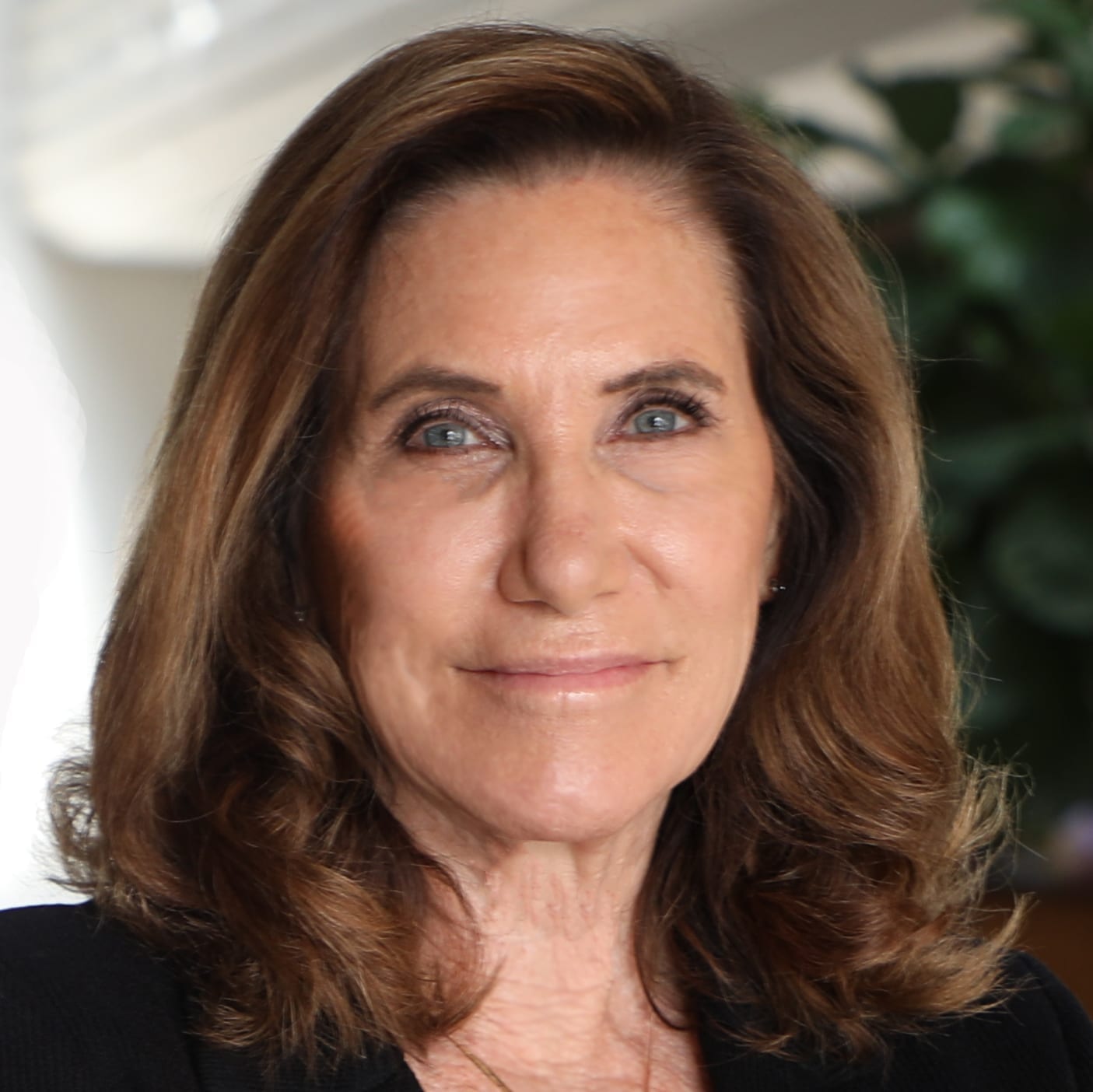
Pamela Rutledge, PhD, MBA is the Director of the Media Psychology Research Center. A consultant, author, speaker, and professor, she consults on a variety of media projects developing audience engagement and brand storytelling strategies.

5 Comments

  1. mediapsychology
    August 27, 2015 at 4:20 pm ·

    Colorado Springs Shooting: Social Media as Pulse of Tragedy: Public acts of violence are just that, public…. http://t.co/IYO0LbIPni

  2. lfreberg
    August 27, 2015 at 5:48 pm ·

    RT @mediapsychology: Colorado Springs Shooting: Social Media as Pulse of Tragedy: Public acts of violence are just that, public…. http:/…

  3. Shane Pase
    August 27, 2015 at 7:30 pm ·

    Shane Pase liked this on Facebook.

  4. lini159
    August 28, 2015 at 12:21 am ·

    RT @mediapsychology: Colorado Springs Shooting: Social Media as Pulse of Tragedy: Public acts of violence are just that, public…. http:/…

  5. Rockelle Gray
    August 28, 2015 at 10:16 am ·

    Rockelle Gray liked this on Facebook.

Leave a reply

Your email address will not be published. Required fields are marked *

This site uses Akismet to reduce spam. Learn how your comment data is processed.

FOR THE PRESS

Dr. Pam Rutledge, media psychologistDr. Pamela Rutledge is available to reporters for comments on the psychological and social impact of media and technology on individuals, society, organizations and brands.  pamelarutledge@gmail.com

SEARCH THE SITE

RECENT POSTS

  • The Legacy of Daytime Talk Shows Lives in Your Feed
  • Oprah's High Road: Diverging Paths in Daytime Talk Shows
  • Daytime Talk Shows: Why We Couldn’t Look Away
  • FAFO Parenting: Letting Kids Learn the Hard Way
  • Meta Is Using Your AI Chats to “Personalize Your Experience”

MEDIA PSYCHOLOGY RESEARCH

The Media Psychology Research Center (MPRC) is an independent research organization directed by Dr. Pam Rutledge.  Read about MPRC at www.mprcenter.org.

CONSULTING PROJECTS

Dr. Rutledge consults on a variety of media projects using psychology to translate data into human behavior for powerful results.

  • Parenting in a Digital World webinar series
  • Persona Development for audience segmentation
  • Fan and Audience Engagement: Identifying audience narratives to satisfy needs
  • Brand Storytelling: Supercharging brand meaning

RECENT POSTS

  • The Legacy of Daytime Talk Shows Lives in Your Feed
  • Oprah's High Road: Diverging Paths in Daytime Talk Shows
  • Daytime Talk Shows: Why We Couldn’t Look Away
  • FAFO Parenting: Letting Kids Learn the Hard Way
  • Meta Is Using Your AI Chats to “Personalize Your Experience”

SEARCH

Content copyright Pamela Rutledge 2026.