DR. PAM | MEDIA PSYCHOLOGIST
THE PSYCHOLOGY OF DIGITAL BEHAVIORS
  • Home
  • Blog
  • About
    • About Dr. Pamela Rutledge
    • Media Psychology
      • What Is A Media Psychologist?
      • 8 Reasons Why We Need Media Psychology
      • Careers in Media Psychology
      • Example Careers in Media Psychology
      • Media Psychology at Fielding Graduate University
      • Positive Media Psychology
    • MPRC
      • Media Psychology Research Center
    • Media Psychology Review
  • Consulting
    • Speaking & Consulting
    • Audience Engagement: Why Use Personas?
      • How to Build a Persona
    • Adapting to Change
    • Transmedia Storytelling
      • Storytelling Across Platforms
      • Transmedia Storytelling Starts with the Power of Story
      • Our Transmedia World
      • Transmedia Case Study: The Three Little Pigs
      • Transmedia Storytelling Workshop
  • Story Power
    • Brand Storytelling
    • Storytelling: Brands, Entertainment & Organizations
      • Storytelling for Organizations
      • Core Story: Case Study
  • In the News
    • Press Quotes & Interviews 2022-2025
    • 2021-2019
    • 2018-2016
    • 2016-2017
    • 2015-2013
    • 2012 & EARLIER
    • Video Interviews & Webinars
  • Resources
    • Mindful Media & Digital Literacy
      • Positive Media Psychology
      • Benefits of Video Games Part 1
      • Benefits of Video Games Part 2
      • Benefits of Video Games Part 3
      • Becoming Mindful: Exercises
      • Mindful Media Journal
    • Academic Materials
      • Media Psychology Syllabus 2021
      • Media Psychology Syllabus 2012
      • Media Psychology Syllabus 2015
    • Articles
      • Persuasion & Augmented Reality
      • Psychology of Transmedia Engagement
      • Theories of Attention
      • The Psychology of Color
      • Website Design: How to Use Psych Theory
      • Data Strategy: Listen to Your Consumers’ Stories
      • The Psychology of Story
  • Archives
  • Contact
DR. PAM | MEDIA PSYCHOLOGIST
  • Home
  • Blog
  • About
    • About Dr. Pamela Rutledge
    • Media Psychology
      • What Is A Media Psychologist?
      • 8 Reasons Why We Need Media Psychology
      • Careers in Media Psychology
      • Example Careers in Media Psychology
      • Media Psychology at Fielding Graduate University
      • Positive Media Psychology
    • MPRC
      • Media Psychology Research Center
    • Media Psychology Review
  • Consulting
    • Speaking & Consulting
    • Audience Engagement: Why Use Personas?
      • How to Build a Persona
    • Adapting to Change
    • Transmedia Storytelling
      • Storytelling Across Platforms
      • Transmedia Storytelling Starts with the Power of Story
      • Our Transmedia World
      • Transmedia Case Study: The Three Little Pigs
      • Transmedia Storytelling Workshop
  • Story Power
    • Brand Storytelling
    • Storytelling: Brands, Entertainment & Organizations
      • Storytelling for Organizations
      • Core Story: Case Study
  • In the News
    • Press Quotes & Interviews 2022-2025
    • 2021-2019
    • 2018-2016
    • 2016-2017
    • 2015-2013
    • 2012 & EARLIER
    • Video Interviews & Webinars
  • Resources
    • Mindful Media & Digital Literacy
      • Positive Media Psychology
      • Benefits of Video Games Part 1
      • Benefits of Video Games Part 2
      • Benefits of Video Games Part 3
      • Becoming Mindful: Exercises
      • Mindful Media Journal
    • Academic Materials
      • Media Psychology Syllabus 2021
      • Media Psychology Syllabus 2012
      • Media Psychology Syllabus 2015
    • Articles
      • Persuasion & Augmented Reality
      • Psychology of Transmedia Engagement
      • Theories of Attention
      • The Psychology of Color
      • Website Design: How to Use Psych Theory
      • Data Strategy: Listen to Your Consumers’ Stories
      • The Psychology of Story
  • Archives
  • Contact
Nov 07

California Prop 8: Minorities vote to block rights of other minorities

  • November 7, 2008
  • Pamela Rutledge
  • 2 Comments

I’m supposed to be packing because moving vans come tomorrow, but I had to remark on this story in the Washington Post: Most Calif. blacks backed proposition 8: 53% of Latinos Also Supported Proposition 8

In it, Vick and Surdin write:

LOS ANGELES, Nov. 6 — Any notion that Tuesday’s election represented a liberal juggernaut must overcome a detail from the voting booths of California: The same voters who turned out strongest for Barack Obama also drove a stake through the heart of same-sex marriage.

This makes me extraordinarily curious about the rationale these voters had on this issue. Is it religious? Or is it that we all need to “other” somebody? A huge body of research talks about intergroup conflict, group affiliation, and the need to establish clear boundaries of others to affirm our own groupness. This is the same tribalism I talked about in the last post.

I question if it is ever possible to overcome this because biologically we’re driven to form groups. It is important for safety, food gathering, and the survival of our genes (our kids.) Even though we don’t have to worry about tigers behind every tree, humans also need the psychological connection to flourish. We know there is cognitive comfort in similarity —and this is not racial but shared perspectives, which can of course be racial, but lots and lots of other things also bring people together into “tribes”: art, music, sports, geography, clubs, status, etc.

If, therefore, we need groups, we probably need to get over this idea that everyone should like each other and just focus on a more basic approach, like right to exist. I wonder if we took the argument to a more basic level of humanity, if we could get past some of the emotional baggage that accompanies these issues which are predominantly about acknowledging any human’s right to be who they are*. (*With the caveat of not doing others harm of course.)

We talk all the time about framing in the media. But framing is just the context of any communication. If gay marriage had not been framed as “marriage,” i.e. challenging a long-standing cultural and religious issues, would it have passed? Do gays need to call it “marriage” or could a new word be used with equal meaning and legitimacy if it would allow the earlier achievement of being essentially married? Once you’re legally united, of course, you can call it whatever you want. I realize that those same cultural values are what embue “marriage” with meaning for everyone, straight or gay and this may not be acceptable to many. I just wonder if sometimes we need to decide the highest priority and compromise on some of the others.

My mother is old and crazy. She isn’t ever going to change. This is really unfortunate. I know her hot buttons and if I need to get something done, I frame it in language that fits her world model. I don’t care what we call it; I want to get it done. My sister, on the other hand, still wants our mother to get her point of view. Not going to happen. And they have the battle scares to prove it and little progress between them as a result.

For better or worse, there are a lot of old, crazy, or just inflexible folks in the world. Would we be better able to make some human rights and social progress if we weren’t so determined to get other people to accept a cultural re-definition, or our cultural definition? I don’t know. I guess it depends on how flexible we are. Your thoughts?

  • Facebook
  • Twitter
  • Reddit
  • LinkedIn
  • E-Mail

About The Author

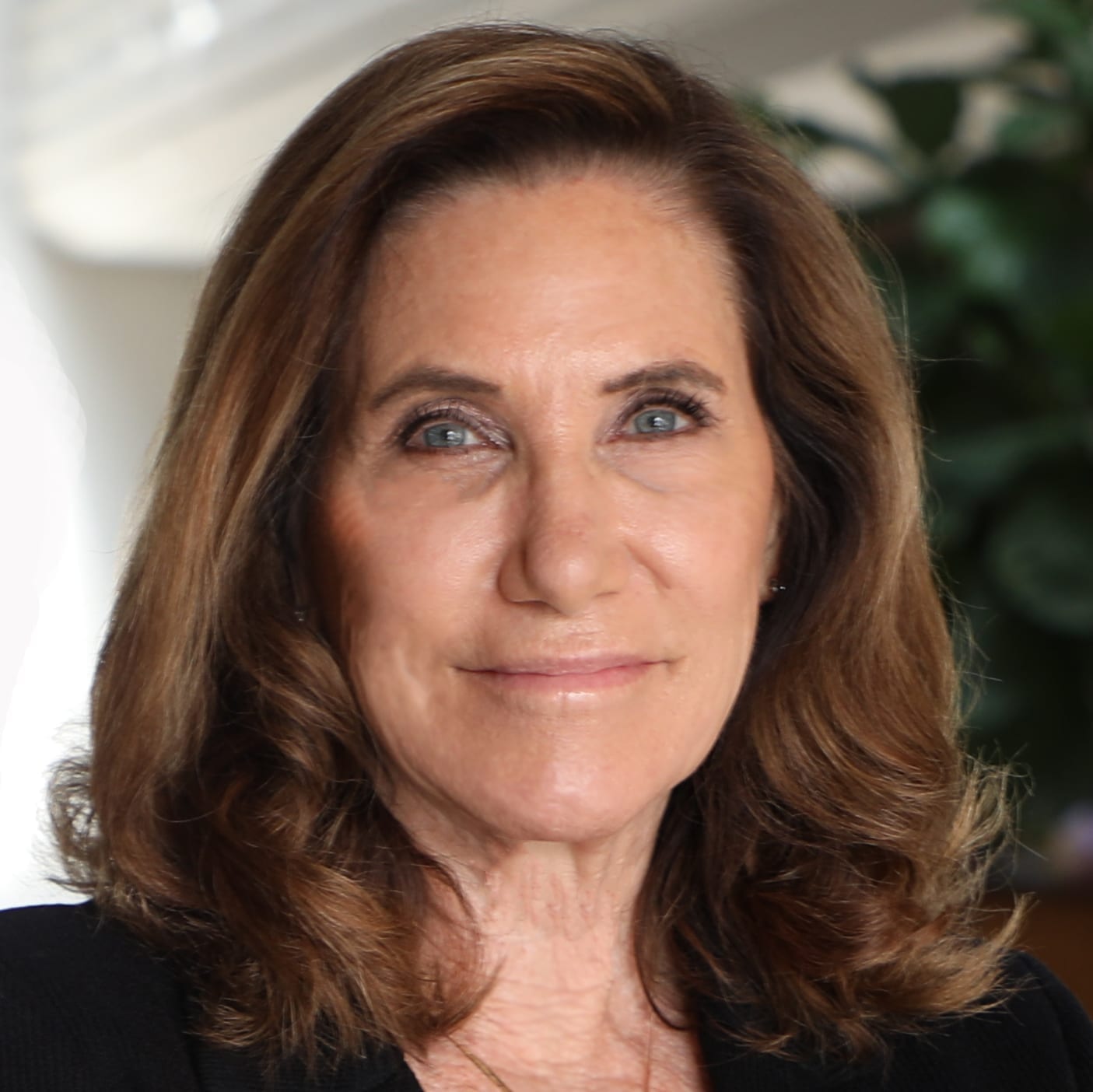
Pamela Rutledge, PhD, MBA is the Director of the Media Psychology Research Center. A consultant, author, speaker, and professor, she consults on a variety of media projects developing audience engagement and brand storytelling strategies.

2 Comments

  1. Tim
    November 19, 2008 at 9:18 am ·

    I read this article and I understand your point of view and just compromise on some things, but as many view Civil Unions, they are like a slap in the face and an insult. They are just like the separate but equal. It’s saying that here are your rights but you cannot have the same as ours.

  2. Pamela Rutledge
    November 19, 2008 at 12:22 pm ·

    Tim – thanks so much for your comment. I can absolutely understand that to many, Civil Unions are not a solution, but an insult. I hope it’s clear that I don’t think this is an equitable solution. I was just wondering how to make social progress when you are trying to change intractable cultural beliefs of a voting majority. Unfortunately, the biological need for cognitive stability makes changing long held beliefs very difficult, particularly as people age. And there are some people whose opinions will never change–that is true at both ends of every issue. But I was just wondering if the “thin edge of the wedge” approach might normalize the perception of gay marriage so that for those who are opposed, it might become a series of cognitively shorter steps.

Leave a reply

Your email address will not be published. Required fields are marked *

This site uses Akismet to reduce spam. Learn how your comment data is processed.

FOR THE PRESS

Dr. Pam Rutledge, media psychologistDr. Pamela Rutledge is available to reporters for comments on the psychological and social impact of media and technology on individuals, society, organizations and brands.  pamelarutledge@gmail.com

SEARCH THE SITE

RECENT POSTS

  • The Legacy of Daytime Talk Shows Lives in Your Feed
  • Oprah's High Road: Diverging Paths in Daytime Talk Shows
  • Daytime Talk Shows: Why We Couldn’t Look Away
  • FAFO Parenting: Letting Kids Learn the Hard Way
  • Meta Is Using Your AI Chats to “Personalize Your Experience”

MEDIA PSYCHOLOGY RESEARCH

The Media Psychology Research Center (MPRC) is an independent research organization directed by Dr. Pam Rutledge.  Read about MPRC at www.mprcenter.org.

CONSULTING PROJECTS

Dr. Rutledge consults on a variety of media projects using psychology to translate data into human behavior for powerful results.

  • Parenting in a Digital World webinar series
  • Persona Development for audience segmentation
  • Fan and Audience Engagement: Identifying audience narratives to satisfy needs
  • Brand Storytelling: Supercharging brand meaning

RECENT POSTS

  • The Legacy of Daytime Talk Shows Lives in Your Feed
  • Oprah's High Road: Diverging Paths in Daytime Talk Shows
  • Daytime Talk Shows: Why We Couldn’t Look Away
  • FAFO Parenting: Letting Kids Learn the Hard Way
  • Meta Is Using Your AI Chats to “Personalize Your Experience”

SEARCH

Content copyright Pamela Rutledge 2026.