DR. PAM | MEDIA PSYCHOLOGIST
THE PSYCHOLOGY OF DIGITAL BEHAVIORS
  • Home
  • Blog
  • About
    • About Dr. Pamela Rutledge
    • Media Psychology
      • What Is A Media Psychologist?
      • 8 Reasons Why We Need Media Psychology
      • Careers in Media Psychology
      • Example Careers in Media Psychology
      • Media Psychology at Fielding Graduate University
      • Positive Media Psychology
    • MPRC
      • Media Psychology Research Center
    • Media Psychology Review
  • Consulting
    • Speaking & Consulting
    • Audience Engagement: Why Use Personas?
      • How to Build a Persona
    • Adapting to Change
    • Transmedia Storytelling
      • Storytelling Across Platforms
      • Transmedia Storytelling Starts with the Power of Story
      • Our Transmedia World
      • Transmedia Case Study: The Three Little Pigs
      • Transmedia Storytelling Workshop
  • Story Power
    • Brand Storytelling
    • Storytelling: Brands, Entertainment & Organizations
      • Storytelling for Organizations
      • Core Story: Case Study
  • In the News
    • Press Quotes & Interviews 2022-2025
    • 2021-2019
    • 2018-2016
    • 2016-2017
    • 2015-2013
    • 2012 & EARLIER
    • Video Interviews & Webinars
  • Resources
    • Mindful Media & Digital Literacy
      • Positive Media Psychology
      • Benefits of Video Games Part 1
      • Benefits of Video Games Part 2
      • Benefits of Video Games Part 3
      • Becoming Mindful: Exercises
      • Mindful Media Journal
    • Academic Materials
      • Media Psychology Syllabus 2021
      • Media Psychology Syllabus 2012
      • Media Psychology Syllabus 2015
    • Articles
      • Persuasion & Augmented Reality
      • Psychology of Transmedia Engagement
      • Theories of Attention
      • The Psychology of Color
      • Website Design: How to Use Psych Theory
      • Data Strategy: Listen to Your Consumers’ Stories
      • The Psychology of Story
  • Archives
  • Contact
DR. PAM | MEDIA PSYCHOLOGIST
  • Home
  • Blog
  • About
    • About Dr. Pamela Rutledge
    • Media Psychology
      • What Is A Media Psychologist?
      • 8 Reasons Why We Need Media Psychology
      • Careers in Media Psychology
      • Example Careers in Media Psychology
      • Media Psychology at Fielding Graduate University
      • Positive Media Psychology
    • MPRC
      • Media Psychology Research Center
    • Media Psychology Review
  • Consulting
    • Speaking & Consulting
    • Audience Engagement: Why Use Personas?
      • How to Build a Persona
    • Adapting to Change
    • Transmedia Storytelling
      • Storytelling Across Platforms
      • Transmedia Storytelling Starts with the Power of Story
      • Our Transmedia World
      • Transmedia Case Study: The Three Little Pigs
      • Transmedia Storytelling Workshop
  • Story Power
    • Brand Storytelling
    • Storytelling: Brands, Entertainment & Organizations
      • Storytelling for Organizations
      • Core Story: Case Study
  • In the News
    • Press Quotes & Interviews 2022-2025
    • 2021-2019
    • 2018-2016
    • 2016-2017
    • 2015-2013
    • 2012 & EARLIER
    • Video Interviews & Webinars
  • Resources
    • Mindful Media & Digital Literacy
      • Positive Media Psychology
      • Benefits of Video Games Part 1
      • Benefits of Video Games Part 2
      • Benefits of Video Games Part 3
      • Becoming Mindful: Exercises
      • Mindful Media Journal
    • Academic Materials
      • Media Psychology Syllabus 2021
      • Media Psychology Syllabus 2012
      • Media Psychology Syllabus 2015
    • Articles
      • Persuasion & Augmented Reality
      • Psychology of Transmedia Engagement
      • Theories of Attention
      • The Psychology of Color
      • Website Design: How to Use Psych Theory
      • Data Strategy: Listen to Your Consumers’ Stories
      • The Psychology of Story
  • Archives
  • Contact
Nov 04

What Courses Do I Take to Study Media Psychology?

  • November 4, 2009
  • Pamela Rutledge
  • 1 Comment

Wondering what courses make up a media psychology curriculum is common particularly among people thinking about the next steps in their education.   Recently a young woman from Athlone High School for Girls in South Africa posed this  question, so I am sharing my response here.  It is exciting to hear that people all around the world are becoming aware of the importance of psychology in addressing media and technology in our daily lives.

Media psychology, while based in psychology, is transdisciplinary.  You will want a working understanding of several areas of psychology, sociology, and (surprise!) design.  You will also want good communication skills and actual (not theoretical) experience with media applications.  Each person develops their own interests that will involve more targeted learning.

Start with a broad view of psychology, including developmental, cognitive, and social. When you are thinking about how people use, develop or are impacted by media, developmental psychology helps you to understand how people develop, change, and mature and the differences that makes in how they perceive the world. Cognitive psychology looks at how people think–including the physical nature of processing information of all kinds (words, images, sounds) through the senses, how that gets our attention, and influences how we learn, are persuaded, and become engaged. It also looks at the qualitative side–how individuals interpret or make meaning out of all that information based on our individual experiences and culture. Social psychology and sociology examine different aspects of the behavior of individuals as they connect with groups, group behaviors, networks and network behaviors, and the sense of self and place that are part of our social and personal identities. It also looks at broader social implications of society as groups, institutions, and nations.  From there, two areas that I find particularly relevant are Narrative Psychology and Positive Psychology.  I find Narrative Psychology very useful because stories are how we connect the dots when we try to understand things.   Positive Psychology contributes to understanding how strengths, self-efficacy, hope, and resilience can be important factors in the development of prosocialmedia.

Good communication skills are very important so that you know how to get your message across. The best understanding of psychology and media in the world won’t help if you can’t communicate your thoughts.

As technology changes, we must be more innovative, intuitive, and creative. Design brings together disparate elements in new and exciting ways.

And finally, learning how media is produced, how technology tools work, and how the technology influences content and our interaction with it and each other is very important. The tools change often, but the fundamental issues of people and message construction will continue to apply.  Media psychology is an applied field, promoting the understanding of media technologies, their impact, and their potential.  Philosophically, the media psychologists I know are actively engaged in the positive development and use of media technologies for everything from education to social change.

  • Facebook
  • Twitter
  • Reddit
  • LinkedIn
  • E-Mail

About The Author

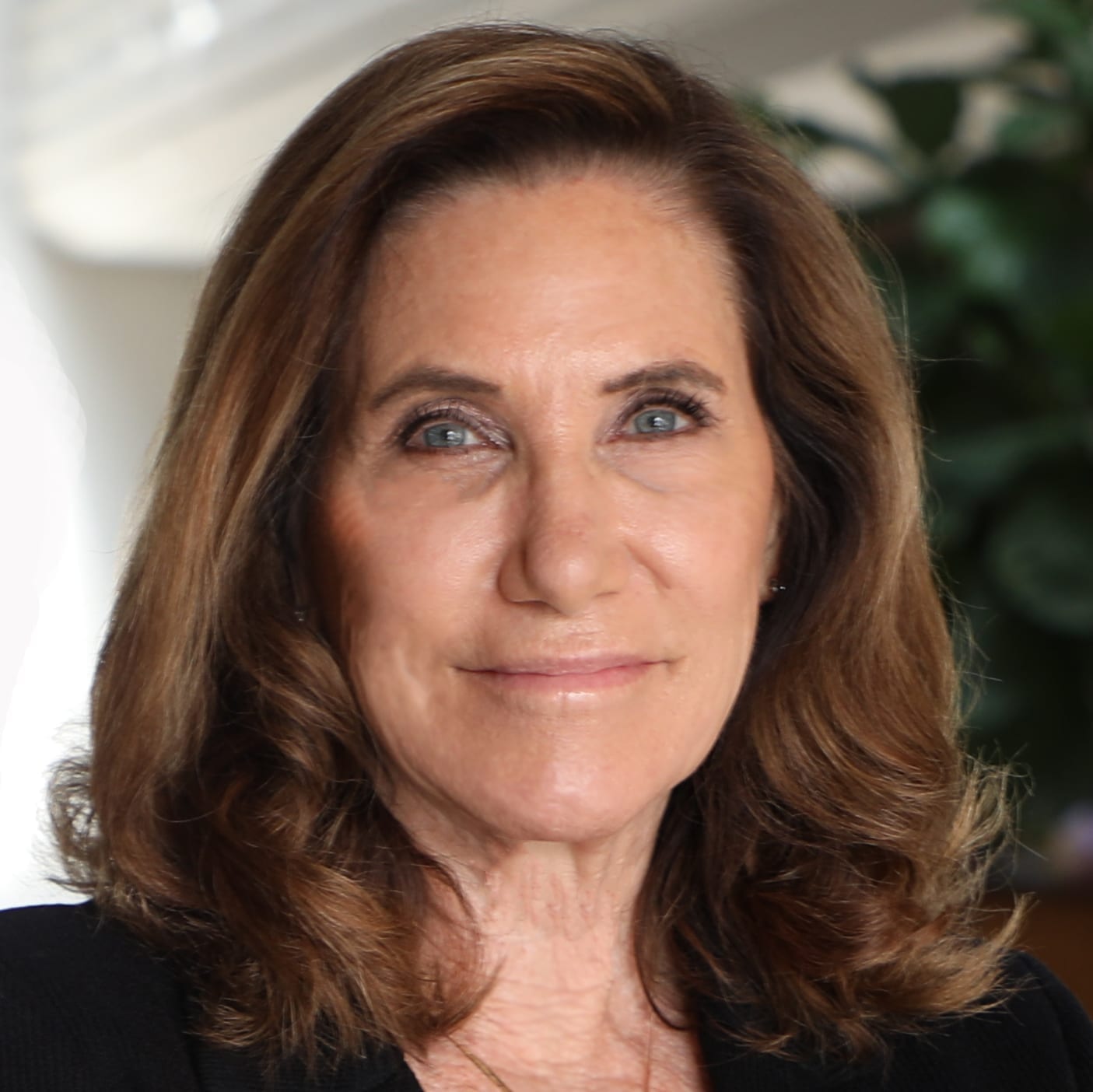
Pamela Rutledge, PhD, MBA is the Director of the Media Psychology Research Center. A consultant, author, speaker, and professor, she consults on a variety of media projects developing audience engagement and brand storytelling strategies.

1 Comment

  1. Howard Thomas
    April 30, 2010 at 7:13 am ·

    I was interested to read that an enquiry came from Athlone Girls here in South Africa. There are no formal media psychology studies here. I have developed my own expertise from thinking, looking, reading what I can get abroad, and working in media for 40 years.
    When I teach, I encourage students to take a simple principle and develop a comprehension by looking around. The principles are those that I have synthesised from the (comparatively) sparse sources worldwide. In brief, spend most of your study time applying and adapting principles in the real world. I only train people already employed in the media, so those who learn from me are better equipped to apply and analyse from an active workplace.
    We certainly could do with formal academic courses – at present Media Psychology is merely a passing adjunct to existing degree curricula, and often not even given name. In fact, in total, I do more training and teaching in other African countries than at home in South Africa. There is more awareness in the other countries.

Leave a reply

Your email address will not be published. Required fields are marked *

This site uses Akismet to reduce spam. Learn how your comment data is processed.

FOR THE PRESS

Dr. Pam Rutledge, media psychologistDr. Pamela Rutledge is available to reporters for comments on the psychological and social impact of media and technology on individuals, society, organizations and brands.  pamelarutledge@gmail.com

SEARCH THE SITE

RECENT POSTS

  • The Legacy of Daytime Talk Shows Lives in Your Feed
  • Oprah's High Road: Diverging Paths in Daytime Talk Shows
  • Daytime Talk Shows: Why We Couldn’t Look Away
  • FAFO Parenting: Letting Kids Learn the Hard Way
  • Meta Is Using Your AI Chats to “Personalize Your Experience”

MEDIA PSYCHOLOGY RESEARCH

The Media Psychology Research Center (MPRC) is an independent research organization directed by Dr. Pam Rutledge.  Read about MPRC at www.mprcenter.org.

CONSULTING PROJECTS

Dr. Rutledge consults on a variety of media projects using psychology to translate data into human behavior for powerful results.

  • Parenting in a Digital World webinar series
  • Persona Development for audience segmentation
  • Fan and Audience Engagement: Identifying audience narratives to satisfy needs
  • Brand Storytelling: Supercharging brand meaning

RECENT POSTS

  • The Legacy of Daytime Talk Shows Lives in Your Feed
  • Oprah's High Road: Diverging Paths in Daytime Talk Shows
  • Daytime Talk Shows: Why We Couldn’t Look Away
  • FAFO Parenting: Letting Kids Learn the Hard Way
  • Meta Is Using Your AI Chats to “Personalize Your Experience”

SEARCH

Content copyright Pamela Rutledge 2026.