DR. PAM | MEDIA PSYCHOLOGIST
THE PSYCHOLOGY OF DIGITAL BEHAVIORS
  • Home
  • Blog
  • About
    • About Dr. Pamela Rutledge
    • Media Psychology
      • What Is A Media Psychologist?
      • 8 Reasons Why We Need Media Psychology
      • Careers in Media Psychology
      • Example Careers in Media Psychology
      • Media Psychology at Fielding Graduate University
      • Positive Media Psychology
    • MPRC
      • Media Psychology Research Center
    • Media Psychology Review
  • Consulting
    • Speaking & Consulting
    • Audience Engagement: Why Use Personas?
      • How to Build a Persona
    • Adapting to Change
    • Transmedia Storytelling
      • Storytelling Across Platforms
      • Transmedia Storytelling Starts with the Power of Story
      • Our Transmedia World
      • Transmedia Case Study: The Three Little Pigs
      • Transmedia Storytelling Workshop
  • Story Power
    • Brand Storytelling
    • Storytelling: Brands, Entertainment & Organizations
      • Storytelling for Organizations
      • Core Story: Case Study
  • In the News
    • Press Quotes & Interviews 2022-2025
    • 2021-2019
    • 2018-2016
    • 2016-2017
    • 2015-2013
    • 2012 & EARLIER
    • Video Interviews & Webinars
  • Resources
    • Mindful Media & Digital Literacy
      • Positive Media Psychology
      • Benefits of Video Games Part 1
      • Benefits of Video Games Part 2
      • Benefits of Video Games Part 3
      • Becoming Mindful: Exercises
      • Mindful Media Journal
    • Academic Materials
      • Media Psychology Syllabus 2021
      • Media Psychology Syllabus 2012
      • Media Psychology Syllabus 2015
    • Articles
      • Persuasion & Augmented Reality
      • Psychology of Transmedia Engagement
      • Theories of Attention
      • The Psychology of Color
      • Website Design: How to Use Psych Theory
      • Data Strategy: Listen to Your Consumers’ Stories
      • The Psychology of Story
  • Archives
  • Contact
DR. PAM | MEDIA PSYCHOLOGIST
  • Home
  • Blog
  • About
    • About Dr. Pamela Rutledge
    • Media Psychology
      • What Is A Media Psychologist?
      • 8 Reasons Why We Need Media Psychology
      • Careers in Media Psychology
      • Example Careers in Media Psychology
      • Media Psychology at Fielding Graduate University
      • Positive Media Psychology
    • MPRC
      • Media Psychology Research Center
    • Media Psychology Review
  • Consulting
    • Speaking & Consulting
    • Audience Engagement: Why Use Personas?
      • How to Build a Persona
    • Adapting to Change
    • Transmedia Storytelling
      • Storytelling Across Platforms
      • Transmedia Storytelling Starts with the Power of Story
      • Our Transmedia World
      • Transmedia Case Study: The Three Little Pigs
      • Transmedia Storytelling Workshop
  • Story Power
    • Brand Storytelling
    • Storytelling: Brands, Entertainment & Organizations
      • Storytelling for Organizations
      • Core Story: Case Study
  • In the News
    • Press Quotes & Interviews 2022-2025
    • 2021-2019
    • 2018-2016
    • 2016-2017
    • 2015-2013
    • 2012 & EARLIER
    • Video Interviews & Webinars
  • Resources
    • Mindful Media & Digital Literacy
      • Positive Media Psychology
      • Benefits of Video Games Part 1
      • Benefits of Video Games Part 2
      • Benefits of Video Games Part 3
      • Becoming Mindful: Exercises
      • Mindful Media Journal
    • Academic Materials
      • Media Psychology Syllabus 2021
      • Media Psychology Syllabus 2012
      • Media Psychology Syllabus 2015
    • Articles
      • Persuasion & Augmented Reality
      • Psychology of Transmedia Engagement
      • Theories of Attention
      • The Psychology of Color
      • Website Design: How to Use Psych Theory
      • Data Strategy: Listen to Your Consumers’ Stories
      • The Psychology of Story
  • Archives
  • Contact
Aug 29

Soapbox for Media Psychology

  • August 29, 2006
  • Pamela Rutledge
  • No Comments

The posting August 13 (Defining Media Psychology) is part of a longer discussion on creating a definition for and enhancing the awareness of the emerging field of Media Psychology as part of a group project at Fielding Graduate University. (I might add that Fielding is the first university in the country to offer a Ph.D. in Media Psychology.) This goal has arisen for two primary reasons. The first is the difficulty of trying to explain “media psychology” to anyone not in the program without waxing on for an indeterminate amount of time and risking the glazed-eye effect. The second is to increase the acceptance of media psychology as a legitimate specialization of psychology and a rigorous academic program within our own institution. We frequently feel that even our own clinical psych faculty and students view the media psych doctoral program as “psychology-light” and/or associated solely with broadcast media.

This group is developing a simple questionnaire to attempt to measure the perceptions and awareness of media psychology, its breadth, applications, misgivings, etc. and whether these perceptions are localized or more broadly held. We hope to solicit participation from within Fielding as well as APA Division 46 (Media Psychology). We hope, also, to be able to compare some of the results with the results of the 1998 Division 46 Task Force Report on Media Psychology by Bernie Luskin and Lilli Friedland.

I agree with a colleague that a field is often defined by what those in it do. Interestingly, it is probably because of the power of media that the perception of media psychologists as working in the broadcast area is more popularly held than, say, developing education software or media-based therapeutic aids. I also agree that many in communications are already working solidly within the field of psychology. (Ah, but did they have to take Theories of Personality or Psychological Assessment?) It could, and has been, argued that it is impossible to do any form of mediated communicating without involving psychology. And as well-known scholars note, we have nothing to lose and much to gain by opening our minds to other concepts and theories no matter their academic or experiential origin. Too much of the world suffers from solipsism much to our detriment, in my opinion.

Our goal in this particular project, I think, it to learn and understand the current metaphors, so we can develop an approach to tell a bigger story. Media psychology is an emerging field. Technology and communications, or however you want to describe the far reaches of media, are becoming the foundation of the global economy. Peter Drucker’s knowledge workers are only part of it. These changes will impact the way the entire world lives and works. Knowledge is fluid. Computers will be the new wrench because technology is the only way to increase productivity, conserve oil, and create a growing career path workers not only in the U.S. but in all countries. (China knows this and is investing in technology and education. The U.S., however, spend its time in the FCC regulating technology and fighting over who gets to charge the consumers for internet content, totally missing the point.) Opportunities around the world will be visible to people who have never seen them before. Who better than psychologists to play a central role in the broad ramifications and applications of this evolving media? They, at least, will consider how people learn, think, and act before designing everything from products to policy. But only if the role of the media psychologist is better understood.

I was, perhaps, somewhat flip in my appraisal of Div. 46 name change. My reaction centered on my belief that psychology is fundamental to communications and interactive technologies, not separate from them. I want to see media psychology elevated in stature and public awareness so that people think of it as broadly applicable and serious training for understanding (or trying to) human behavior and mental processes as we go about our lives in this media-rich environment.

Appearing in popular media is a double-edged sword; it can be both publicly validating as well as leaving one slightly suspect. Is it jealousy? Do we have such a low opinion of content on broadcast media that it rubs off on us? Whatever it is, if that taint of popular media co-opts or restricts the working definition of media psychology, and hence its application, we all lose.

  • Facebook
  • Twitter
  • Reddit
  • LinkedIn
  • E-Mail

About The Author

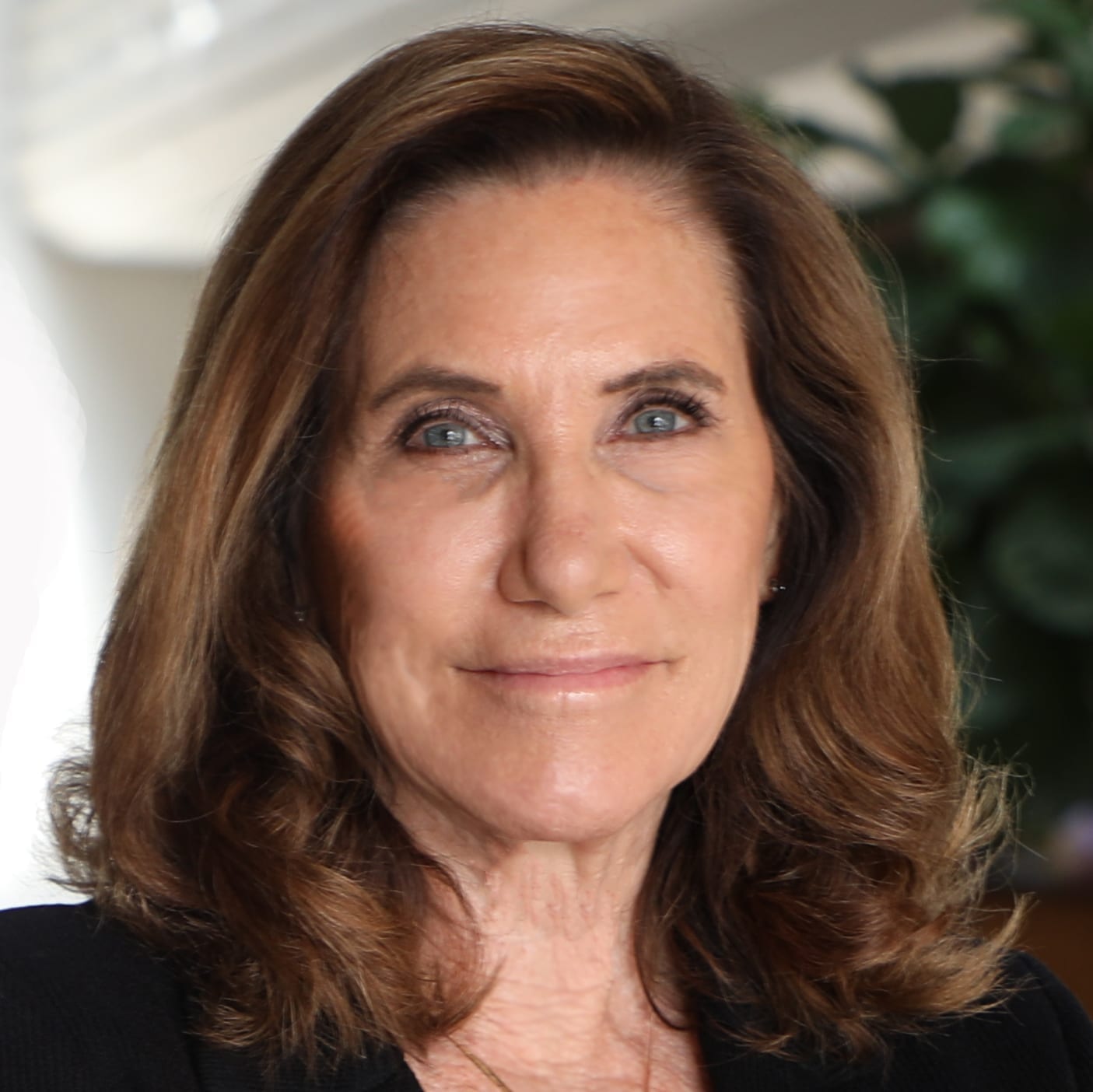
Pamela Rutledge, PhD, MBA is the Director of the Media Psychology Research Center. A consultant, author, speaker, and professor, she consults on a variety of media projects developing audience engagement and brand storytelling strategies.

Leave a reply

Your email address will not be published. Required fields are marked *

This site uses Akismet to reduce spam. Learn how your comment data is processed.

FOR THE PRESS

Dr. Pam Rutledge, media psychologistDr. Pamela Rutledge is available to reporters for comments on the psychological and social impact of media and technology on individuals, society, organizations and brands.  pamelarutledge@gmail.com

SEARCH THE SITE

RECENT POSTS

  • The Legacy of Daytime Talk Shows Lives in Your Feed
  • Oprah's High Road: Diverging Paths in Daytime Talk Shows
  • Daytime Talk Shows: Why We Couldn’t Look Away
  • FAFO Parenting: Letting Kids Learn the Hard Way
  • Meta Is Using Your AI Chats to “Personalize Your Experience”

MEDIA PSYCHOLOGY RESEARCH

The Media Psychology Research Center (MPRC) is an independent research organization directed by Dr. Pam Rutledge.  Read about MPRC at www.mprcenter.org.

CONSULTING PROJECTS

Dr. Rutledge consults on a variety of media projects using psychology to translate data into human behavior for powerful results.

  • Parenting in a Digital World webinar series
  • Persona Development for audience segmentation
  • Fan and Audience Engagement: Identifying audience narratives to satisfy needs
  • Brand Storytelling: Supercharging brand meaning

RECENT POSTS

  • The Legacy of Daytime Talk Shows Lives in Your Feed
  • Oprah's High Road: Diverging Paths in Daytime Talk Shows
  • Daytime Talk Shows: Why We Couldn’t Look Away
  • FAFO Parenting: Letting Kids Learn the Hard Way
  • Meta Is Using Your AI Chats to “Personalize Your Experience”

SEARCH

Content copyright Pamela Rutledge 2026.