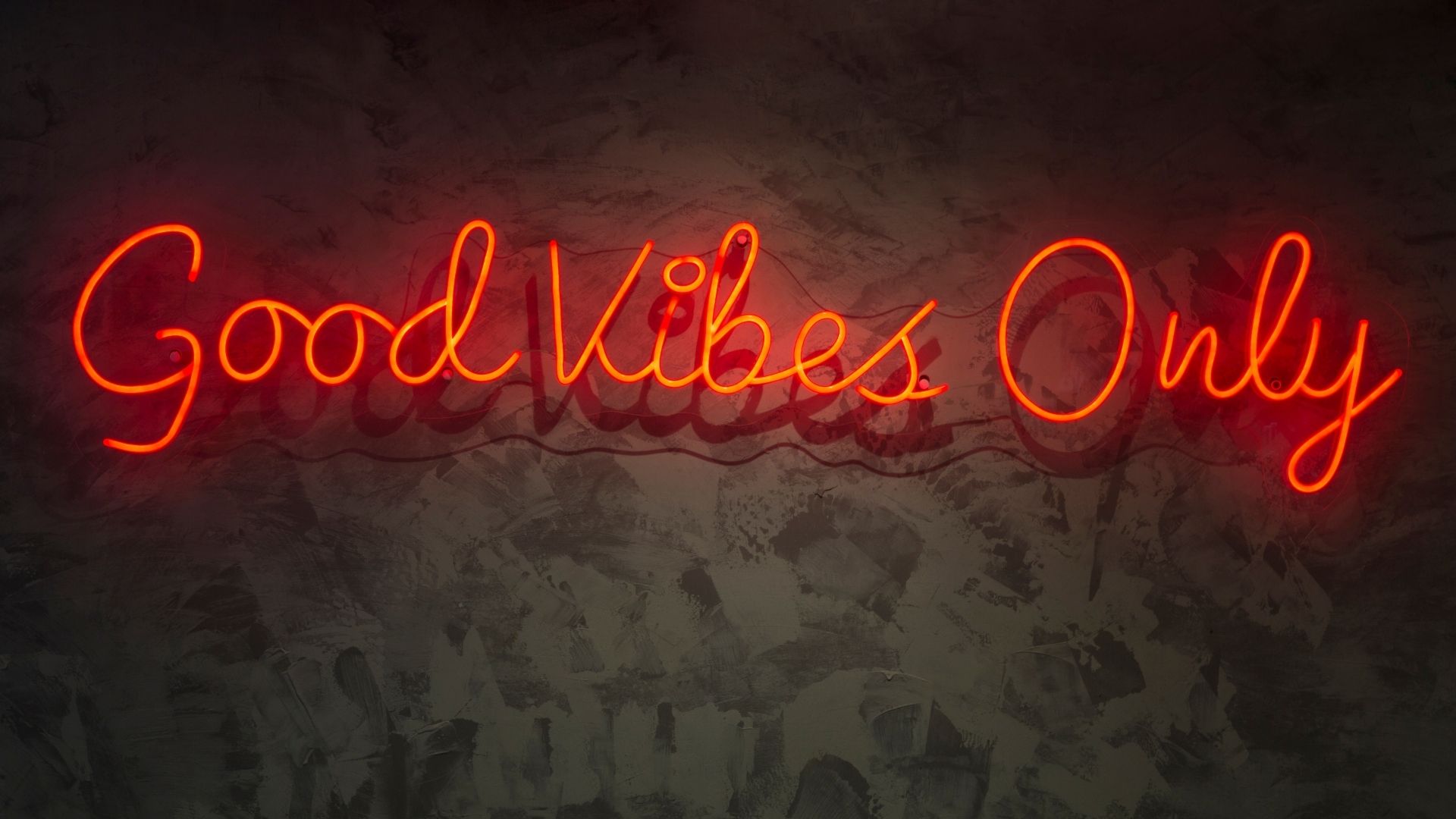
Toxic positivity is trending across social media. In times of stress, denying negative emotions and experiences makes things worse, not better.
KEY POINTS
- The “good vibes only” trend on social media turns positivity toxic.
- Pushing “positive vibes” can make people feel inadequate, shamed and isolated.
- Brands contribute by monetizing only ‘positive’ social media Influencers
- Authenticity is the foundation of trust essential to the brand-consumer relationship
- TikTok’s authenticity may help normalize the full range of emotional expression and provide a more balanced avenue for brands.
Tired of “good vibes only” on social media? There’s always value in a positive outlook, but when it’s “only,” it becomes toxic. Toxic positivity is the denial or minimizing of negative emotions and dealing with distress with platitudes and false reassurances rather than empathy.
Don’t mistake toxic positivity as positive psychology or having a positive mindset. Toxic positivity is the misguided belief that ‘positive thinking’ should be applied to all experiences of pain, suffering or difficulties, rather than acknowledge and deal with the downside.
While it is often well-intentioned, it is a dysfunctional approach to emotion regulation that can make things worse. Toxic positivity can cause feelings of disconnection and alienation from those ‘positive’ people giving you advice because that response implies what you’re feeling is “wrong” and should be suppressed. You don’t need a therapist to tell you that it doesn’t work. As Carl Jung is credited as saying, “what you resist not only persists, but it grows in size.”
Negative Emotions Are Part of Positive Psychology
Positive psychology doesn’t deny negative emotions. They are part of life. Positive psychology is sometimes called the science of happiness, but it is so much more than that. It is the scientific study of how people and communities grow and thrive.
It includes the study of positive emotions, but it assumes that people want meaningful and fulfilling lives and explores the ways in which people can achieve those goals—including dealing with the hard and uncomfortable stuff in life. It looks at how people develop and build resilience, emotional regulation, well-being, and a sense of purpose.
Positive psychology includes examining the ways we can enhance our strengths, build values, and cultivate the ability to handle challenges. While feeling good is great, positive psychology is not just about “feeling good.”
Self-determination theory (SDT) is a theory of human motivation and personality. Although proposed prior to the emergence of positive psychology as a field, is it an ideal example of the theory within the field of positive psychology (Sheldon & Ryan, 2011). SDT is a cohesive and empirically supported framework for understanding optimal functioning.
But it does not neglect negative processes that undermine optimal functioning. SDT proposes that humans are motivated to fulfill three innate needs, autonomy, competence, and social connection, which are critical to achieving optimal development and functioning.
Toxic positivity undermines all three needs. Denying an individual’s negative emotions invalidates their experience, undermining autonomy and competence and distancing them from social support
Positive aphorisms and affirmations can be helpful to overcome negative rumination and personal doubts. Gratitude and appreciation can increase your positive emotions. But suppressing all negativity — whether emotions or information — does not result in positive outcomes.
There are times when denial can be a protective coping skill to give someone a chance to accept difficult circumstances, but not as a steady diet. Refusing to acknowledge negative emotions or the difficulty realities of negative events keeps people from dealing with grief, loss, disappointment, anxiety, and uncertainty which, in turn, can damage mental and physical health by increasing stress and depression.
Toxic Positivity is an Artificial Façade.
In the face of a pandemic, continued political discord, the looming specter of military conflict as we watched Russia invade Ukraine and the horror of another school shooting, it’s no surprise that pushing “positive vibes” appeals. Denial, however, is ultimately an ineffective escape from reality.
Toxic positivity does deliver the benefits of true positivity. Positive emotions impact us physically and mentally in ways that not only improve mood, but support better physical health.
Denying negative emotions has the opposite effect. Responding to others with a blanket positive without listening or empathy can be very passive-aggressive. Not only does it invalidate the lived experience of another person, but it also implicitly creates pressure to conform to an unattainable and unhealthy goal.
Toxic positivity can make dealing with an already distressing experience worse. Instead of getting support, they get handed guilt and shame for not being more “positive” and they get to feel even more powerless since they can’t change how they feel. The lack of social support can increase the sense of isolation.
Social media—Instagram especially–amplifies the desire to present one’s best self. It’s like dressing up for a 24/7 party and made worse by the influx of brands monetizing increasingly ‘positive’ Influencers. Brands don’t want to sponsor negative messaging for fear of the halo effect or blowback, further raising the reward to be positive at all costs. Before you let any of the ‘positivity’ Influencers make you feel bad for not being positive enough, remember they often have financial agendas like sponsorships or product sales.
TikTok: A glimmer of hope or more of the same?
I hope that TikTok will continue to provide an outlet for more authentic expression compared to other forms of social media. A couple of recent studies commissioned by TikTok found that three out of four TikTok users felt they could be more themselves on TikTok (Flamingo Group 2020; Nielsen, 2021).
Nearly 90 percent of the TikTok users polled said they took the time to read comments on videos, which may explain why 60 percent of them reported feeling a sense of community while on the app. Creating content, getting feedback, and feeling part of a community checks the SDT boxes for autonomy, competence, and social connection and suggests the potential for positive experience.
But the key is authenticity, which normalizes the expression of both positive and negative emotions and experiences. Brands are beginning to move toward TikTok. If they do it right, the halo effect of a platform implying authenticity should be increased brand trust, in contrast to the denial of life’s challenges in “good vibes only.”
References
Flamingo Group (2020). TikTok Marketing Science Understanding Authenticity, Happiness and Joy in Germany, France, Italy, Spain and the UK Commissioned by TikTok https://newsroom.tiktok.com/en-us/new-study-finds-people-come-to-tiktok-to-lift-their-spirits
Nielsen (2021). Global Authenticity Commissioned by TikTok: Russia, Brazil, Mexico, Australia, Canada, Indonesia, South Korea, United States. https://www.tiktok.com/business/en-US/blog/nielsen-study-tiktok-discovery-content-authentic
Sheldon, K. M., & Ryan, R. M. (2011). Positive Psychology and Self-Determination Theory: A Natural Interface. In V. I. Chirkov, R. M. Ryan, & K. M. Sheldon (Eds.), Human Autonomy in Cross-Cultural Context: Perspectives on the Psychology of Agency, Freedom, and Well-Being (pp. 33-44). Springer Netherlands. https://doi.org/http://doi.org/10.1007/978-90-481-9667-8_2

 Dr. Pamela Rutledge is available to reporters for comments on the psychological and social impact of media and technology on individuals, society, organizations and brands.