Why are so many people mourning the death of Bob Saget? Parasocial relationships describe the emotional connection we experience with loved characters and celebrities.
KEY POINTS:
- TV dads are idealized versions of the fathers we’d all love to have
- A parasocial relationship describes the one-sided emotional attachment we feel to real and fictional characters and celebrities
- Losing a loved character is experienced as the loss of a real connection. It can leave a hole.
- Parasocial relationships add to entertainment enjoyment by increasing the immediate pleasure and creating a longer-term sense of meaning.
Bob Saget was among the very best of TV dads. Like James Avery, John Ritter, Alan Thicke, and Tom Bosely, he raised his TV family. He exemplified the changing face of the “Father Knows Best” tradition, anchoring the family with love, humor, and warmth. Whatever his sit-com shortcomings, his love for his family was steadfast, unconditional. He was the perfect dad we all wished our dads could be. We will miss him.
Few of us have the idealized and understanding dads we see on TV sit-coms. They taught life lessons in 30 minutes story arcs and wrapped up each show with just the right thing to say. (In one old Happy Days, Howard Cunningham actually offers Richie a lifesaver along with words of wisdom after losing a basketball game.) These dads may have been fictional characters on TV, but our attachment to them was and is real. We can identify with them, learn from them, love them, and view them as surrogate fathers and friends (Hoffner & Buchanan, 2005).
Parasocial Connections Add Pleasure and Meaning
The emotional connection we felt to Bob Saget and other TV dads is what psychologists Horton and Wohl (Horton & Wohl, 1956) called a parasocial relationship—a one-sided psychological relationship that a viewer feels for a celebrity or media character. It is more than fandom. It is an emotional investment, where the viewer experiences the character as a friend. Parasocial relationships aren’t weird or crazy. They can play relational roles, often beneficial, by fulfilling a need, such as social connection, enhancing self-esteem, and improving mood . People can know a character is fictional and that the parasocial relationship is one-sided and still have an emotional connection that is meaningful, pleasurable, and rewarding.
Parasocial Loss Hurts, Too
The death of a celebrity, the end of a series, the cancellation of a show, and even completing a book series can all trigger a sense of loss. It is like breaking up in real life. The loss of a parasocial relationship is very similar to the loss of a real one and can create anger, disappointment, and sadness. Because parasocial relationships create real feelings of connection, the response to losing one is equally real (Cohen & Hoffner, 2016). The space the loss leaves is real. Betty White, whose career spanned decades and numerous characters, maintained a consistent warmth and compassion that reinforces parasocial attachment. It’s not surprising that we mourn her passing in the same way. The sense of loss can also occur when a celebrity violates the relationship by acting ‘out of character,’ such as Bill Cosby or, more recently, John Mulaney.
The parasocial connection with a TV dad includes the warm, unconditionally supportive, wise, and loving fatherly relationship. The best TV dads combined humor with life values such as respect, honesty, forgiveness, generosity, and family loyalty. Humor is an emotional response, and emotions deepen memory and provide psychological safety, so they stick.
Humans are social animals that crave attachment and love. These TV dads represent an ideal of that attachment. Parasocial relationships start with liking or an affinity for a character, and as the parasocial interaction increases, the significance or importance of that relationship intensifies (Rubin & McHugh, 1987)
Parasocial Connections and Fandom are Different
Fandom and parasocial connections often overlap as fans often experience a parasocial connection. However, fandom implies social experience and expanded social identity through participation in a group. Parasocial relationships, by contrast, represent a perception of intimacy with a character or celebrity even though it is not reciprocated, or the character is fictional. Despite that, parasocial relationships are almost all beneficial. They can support identify formation and increase self-esteem. Particularly during social isolation, like COVID, parasocial relationships filled a need for relatedness and belonging essential to human wellbeing. Shows like Friends, the Office, and Cheers were the most popular downloads for a reason. They really do feel like friends.
As always, balance is key to everything. Most parasocial relationships are perfectly healthy and add meaning. If someone finds themselves obsessively struggling with the loss of a parasocial relationship to the point where it interferes with everyday life, it’s time to seek professional help. For most, however, the parasocial relationship adds to the enjoyment of media entertainment by increasing the immediate pleasure of watching and the longer-term sense of meaning (Rosaen & Dibble, 2017).
References
Cohen, E. L., & Hoffner, C. (2016). Finding meaning in a celebrity's death: The relationship between parasattachment, grief, and sharing educational health information related to Robin Williams on social network sites. Computers in Human Behavior, 65, 643-650. https://doi.org/10.1016/j.chb.2016.06.042
Hoffner, C., & Buchanan, M. (2005). Young Adults' Wishful Identification With Television Characters: The Role of Perceived Similarity and Character Attributes. Media Psychology, 7(4), 325-351. https://doi.org/10.1207/S1532785XMEP0704_2
Horton, D., & Wohl, R. R. (1956). Mass Communication and Para-social Interaction. Psychiatry, 19, 215-219.
Rosaen, S. F., & Dibble, J. L. (2017). The impact of viewer perceptions of media personae and viewer characteristics on the strength, enjoyment, and satisfaction of parasocial relationships. Communication Studies, 68(1), 1-21. DOI: 10.1080/10510974.2016.1240701
Rubin, R. B., & McHugh, M. P. (1987). Development of Parasocial Interaction Relationships. Journal of Broadcasting & Electronic Media, 31(3), 279-292. Retrieved November 1, 2006, from HeinOnlin

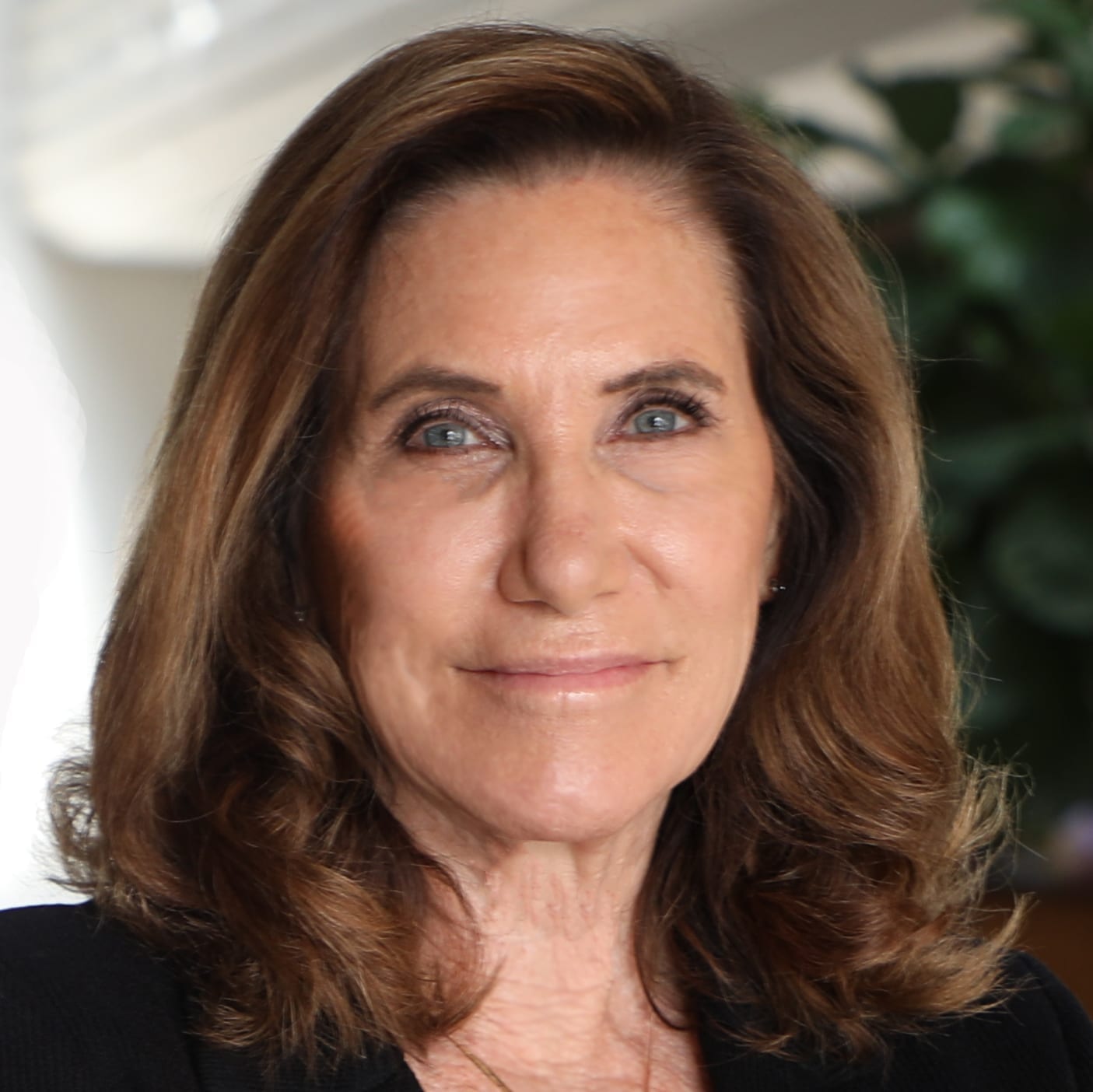 Dr. Pamela Rutledge is available to reporters for comments on the psychological and social impact of media and technology on individuals, society, organizations and brands.