DR. PAM | MEDIA PSYCHOLOGIST
THE PSYCHOLOGY OF DIGITAL BEHAVIORS
  • Home
  • Blog
  • About
    • About Dr. Pamela Rutledge
    • Media Psychology
      • What Is A Media Psychologist?
      • 8 Reasons Why We Need Media Psychology
      • Careers in Media Psychology
      • Example Careers in Media Psychology
      • Media Psychology at Fielding Graduate University
      • Positive Media Psychology
    • MPRC
      • Media Psychology Research Center
    • Media Psychology Review
  • Consulting
    • Speaking & Consulting
    • Audience Engagement: Why Use Personas?
      • How to Build a Persona
    • Adapting to Change
    • Transmedia Storytelling
      • Storytelling Across Platforms
      • Transmedia Storytelling Starts with the Power of Story
      • Our Transmedia World
      • Transmedia Case Study: The Three Little Pigs
      • Transmedia Storytelling Workshop
  • Story Power
    • Brand Storytelling
    • Storytelling: Brands, Entertainment & Organizations
      • Storytelling for Organizations
      • Core Story: Case Study
  • In the News
    • Press Quotes & Interviews 2022-2025
    • 2021-2019
    • 2018-2016
    • 2016-2017
    • 2015-2013
    • 2012 & EARLIER
    • Video Interviews & Webinars
  • Resources
    • Mindful Media & Digital Literacy
      • Positive Media Psychology
      • Benefits of Video Games Part 1
      • Benefits of Video Games Part 2
      • Benefits of Video Games Part 3
      • Becoming Mindful: Exercises
      • Mindful Media Journal
    • Academic Materials
      • Media Psychology Syllabus 2021
      • Media Psychology Syllabus 2012
      • Media Psychology Syllabus 2015
    • Articles
      • Persuasion & Augmented Reality
      • Psychology of Transmedia Engagement
      • Theories of Attention
      • The Psychology of Color
      • Website Design: How to Use Psych Theory
      • Data Strategy: Listen to Your Consumers’ Stories
      • The Psychology of Story
  • Archives
  • Contact
DR. PAM | MEDIA PSYCHOLOGIST
  • Home
  • Blog
  • About
    • About Dr. Pamela Rutledge
    • Media Psychology
      • What Is A Media Psychologist?
      • 8 Reasons Why We Need Media Psychology
      • Careers in Media Psychology
      • Example Careers in Media Psychology
      • Media Psychology at Fielding Graduate University
      • Positive Media Psychology
    • MPRC
      • Media Psychology Research Center
    • Media Psychology Review
  • Consulting
    • Speaking & Consulting
    • Audience Engagement: Why Use Personas?
      • How to Build a Persona
    • Adapting to Change
    • Transmedia Storytelling
      • Storytelling Across Platforms
      • Transmedia Storytelling Starts with the Power of Story
      • Our Transmedia World
      • Transmedia Case Study: The Three Little Pigs
      • Transmedia Storytelling Workshop
  • Story Power
    • Brand Storytelling
    • Storytelling: Brands, Entertainment & Organizations
      • Storytelling for Organizations
      • Core Story: Case Study
  • In the News
    • Press Quotes & Interviews 2022-2025
    • 2021-2019
    • 2018-2016
    • 2016-2017
    • 2015-2013
    • 2012 & EARLIER
    • Video Interviews & Webinars
  • Resources
    • Mindful Media & Digital Literacy
      • Positive Media Psychology
      • Benefits of Video Games Part 1
      • Benefits of Video Games Part 2
      • Benefits of Video Games Part 3
      • Becoming Mindful: Exercises
      • Mindful Media Journal
    • Academic Materials
      • Media Psychology Syllabus 2021
      • Media Psychology Syllabus 2012
      • Media Psychology Syllabus 2015
    • Articles
      • Persuasion & Augmented Reality
      • Psychology of Transmedia Engagement
      • Theories of Attention
      • The Psychology of Color
      • Website Design: How to Use Psych Theory
      • Data Strategy: Listen to Your Consumers’ Stories
      • The Psychology of Story
  • Archives
  • Contact

Living mindfully means presenting your authentic self to the world.  This, in turn, allows you to be fully engaged with those around you.  When we’re being mindless, we are acting as we think others think we should act, adopting ‘social scripts’ that limit our behavior because when we’re not authentic we can’t adapt or be truly spontaneous because that would be violating the rules of the script. There are many reasons why people choose to hide their authentic selves.  Research has also shown that fear of criticism, self-doubt, expectations of praise and protecting or inflating self-esteem are all motives for enhancing our self-presentation. Carson and Langer (2006) report that, ironically, when people behave authentically rather than mindlessly, they saw as more charismatic, and receiving praise for inauthentic behavior actually decreases self-esteem.

There’s an important distinction between pretending to be what you’re not and pretending to be what you hope to become.  The difference is in the intention behind the actions.  Behavior to win approval from others is inauthentic.  Behaving ‘as if’ for yourself, trying on new and desired behaviors is a mindfulness technique for behavior and attitude change.

Increasing Self-Acceptance

Open closed doors. Research has shown that self-labeling creates a mindset of powerlessness.  Every time you label something, you are closing a door to potential. When you notice that you are describing yourself in inflexible terms (e.g. “I am no good at drawing”), rephrase the sentence with the possible. Substitute “could be” and recognize that things change.  The psychologist Carol Dweck demonstrated that when people believe their abilities can be developed through dedication and hard work, they are more motivated, productive and successful.  When you replace rigid words in your self-narrative, you open the door to possibility.

Find a New Perspective.  When you are stuck in a negative view of yourself or your situation, imagine you are looking at it from the perspective of different people, both ones you know and a total stranger looking in on your situation.

Increasing Gratitude:

Using mindfulness to increase gratitude means taking a moment where your attention and intention are focused on things you are personally grateful for.  Researchers at the University of Pennsylvania have shown that if you commit to trying this every day for three weeks, see a difference in your general outlook.  Things to try:

Gratitude Journaling: Take a moment a few times every day and record or note your gratitude.  There are several mobile phone apps that are designed to help you develop a habit of gratitude.  Which one you use doesn’t matter.  What matters is that you take the time to stop and direct your attention.  It can be something simple, like a cup of coffee.  Being grateful increases your appreciation.  Consider the process.  You have stop, be mindful and cast your mind over the things you are grateful for: having friends, how your body feels when you exercise, how food tastes, sleeping in, getting up early, seeing family, the color of the sky, the feel of the sun on your skin, reading a good book or having a great job.

Increase awareness of what you have: Think about what you would miss you’re your life then construct a “what I take for granted list.”

Reframe frustration: Anytime someone or something irritates you, find a reason to be grateful.  For example, if you get negative feedback on a project, be grateful you have the opportunity to learn from it.  If someone makes you angry, be grateful for all the kind people you do know.

Recognize simple acts of others: Spend some time noticing the contributions of others around you doing things that make your life better.  Who empties the trash, serves the food, or delivers your packages?

Pay it forward: Try to do one thing each day to make someone else’s life a little better.  As we discussed, even a smile is contagious and changes the neurochemistry of everyone “infected” by your smile.

Share your gratitude: Tell people what you appreciate about them and what they do for you.  If it seems hard, start with just one person and work up from there. Try it in person, in a letter, and on Facebook.

Take gratitude selfies: Put selfie-taking to positive use.  Take a selfie when you are experiencing a moment of gratitude.  Capturing image will allow you to re-experience the emotion of the moment every time you look at the picture.

Mindful Media

Mindfulness can also be applied to media use.  Download a PDF of the Mindful Media Journal to start keeping track of how media consumption impacts your emotions.
Comments are closed.

FOR THE PRESS

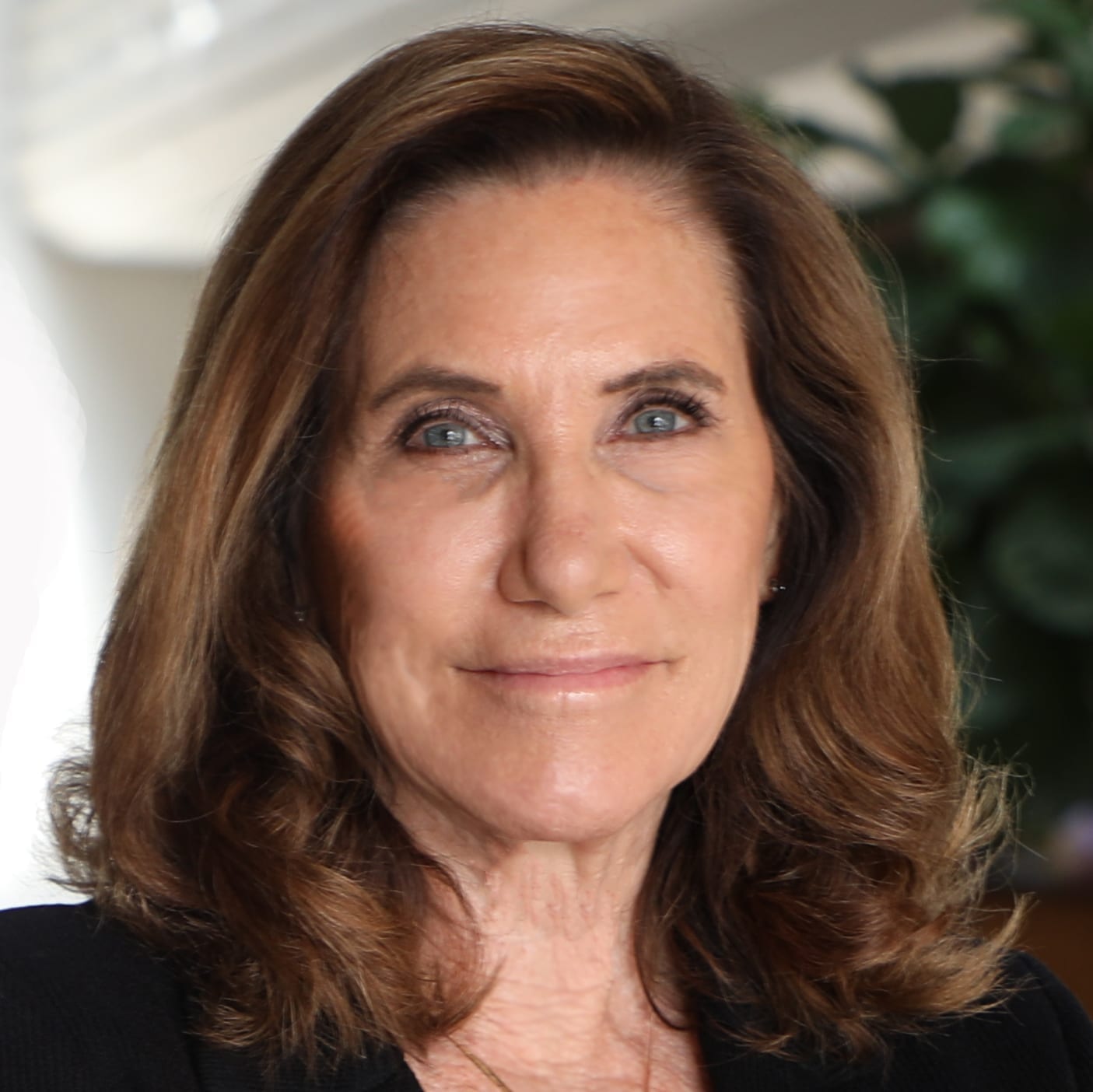
Dr. Pam Rutledge, media psychologistDr. Pamela Rutledge is available to reporters for comments on the psychological and social impact of media and technology on individuals, society, organizations and brands.  pamelarutledge@gmail.com

SEARCH THE SITE

RECENT POSTS

  • Do You Want Your Kids Arguing Like a Politician?
  • U.S. Politics Look Like a Bad Marriage
  • We’re Being Played: Propaganda, Memes and War
  • The Legacy of Daytime Talk Shows Lives in Your Feed
  • Oprah's High Road: Diverging Paths in Daytime Talk Shows

MEDIA PSYCHOLOGY RESEARCH

The Media Psychology Research Center (MPRC) is an independent research organization directed by Dr. Pam Rutledge.  Read about MPRC at www.mprcenter.org.

CONSULTING PROJECTS

Dr. Rutledge consults on a variety of media projects using psychology to translate data into human behavior for powerful results.

  • Parenting in a Digital World webinar series
  • Persona Development for audience segmentation
  • Fan and Audience Engagement: Identifying audience narratives to satisfy needs
  • Brand Storytelling: Supercharging brand meaning

RECENT POSTS

  • Do You Want Your Kids Arguing Like a Politician?
  • U.S. Politics Look Like a Bad Marriage
  • We’re Being Played: Propaganda, Memes and War
  • The Legacy of Daytime Talk Shows Lives in Your Feed
  • Oprah's High Road: Diverging Paths in Daytime Talk Shows

SEARCH

Content copyright Pamela Rutledge 2026.