 It’s rare to read an article about selfies, Millennials or Facebook without narcissism making an appearance in the first paragraph. No wonder people, especially parents, get worried when they see the proliferation of selfies posted on Instagram or Facebook as if taking selfies were, well, a normal thing to do. News bulletin: Taking selfies is a normal thing to do, especially if you have embraced visual communication. If taking selfies still seems weird to you, remember, there is no rule that says every selfie has to be shared with others. You are in control. You are the photographer, the subject and the distributor. It’s all up to you.
Here are 8 ways you can use selfies to make your life better:
Inspirational Moments Selfies:
Take a selfie with something you think is beautiful or inspirational or inspires gratitude—a garden, a sunny day, a fresh cup of coffee, or your child bringing you a drawing made just for you. Memories of experiences are stored in multiple neural networks. By looking at the picture again you can transport yourself back to the moment. The image can trigger all the sensory experiences that go along with the moment—such as the feeling of the sun, the smell of the coffee, the color of the flowers, what you were wearing, how your emotions shifted, the sense of love and joy welling up inside you.
Memory Lane Selfies:

Create a selfie journal so you can revisit these events. I like the iPhone app DayOne but there are other apps you might choose. You take a picture, DayOne automatically records the date. You can add a caption or not as you choose. It takes no time to create an entry but the impact of looking back over a period of time and seeing those events is incredibly rewarding. It reminds you of all those times that are easy to forget but are the fabric and richness of our lives.
 BFF Selfies:
Selfies taken with a friend can be lots of fun. When it’s your best friend, you’re creating a chronicle that will be a shared treasure. You’ll be able to look back on your adventures and relive the reasons you were BFFs.
Rock the Gym Selfies:
Use selfies when you are making change. Create a selfie journal to document your progress—working out, training for a marathon, healthier eating, getting to bed earlier, looking for a new job, getting over a bad relationship, whatever. Even if you think there’s nothing to show, you will be surprised to see how much your forward progress shows in your face. 
Thank You Note Selfies:
Use selfies as thank you notes. Someone send you a new scarf? Take a selfie of yourself wearing the scarf. Someone send you a new recipe? Take a selfie with the results. Once on a business trip, I sent my sister a selfie because I was wearing the jacket she had given me for my birthday. It shows that you really DID like it.
Hear Me Roar Selfies:
Make a point of doing new things and documenting them so you can revisit your moments of courage through radical selfies—not radical like bungee jumping, but radical like something out of your ordinary activities. Attend a meet-up, trying out a new gym, take horseback riding lessons, or totally break loose and order a different flavor of ice cream at Baskin Robbins. Photos of these events provides positive feedback and reinforcement, even when we are doing it for ourselves.
 Mood Bomb Selfies:

Use selfies for improving your mood. Take a funny selfie with your cat, dog, parrot, horse or fish. See if you can still play a good air guitar. The selfie doesn’t matter. Erase it if you hate it. The act of creating it will do the trick. But sometimes sharing is good. Happy content spreads more than negative content and happy people attract other happy people. When you make new friends, they might as well be happy ones.
 Big Moment Selfies:

If it’s okay for Barack Obama to take a selfie at Nelson Mandela’s memorial or a NASA astronaut to document a walk in space, it’s okay for all of us to document our big moments. Who knows how many times you’ll be standing in front of the Grand Canyon or the Leaning Tower of Pisa?

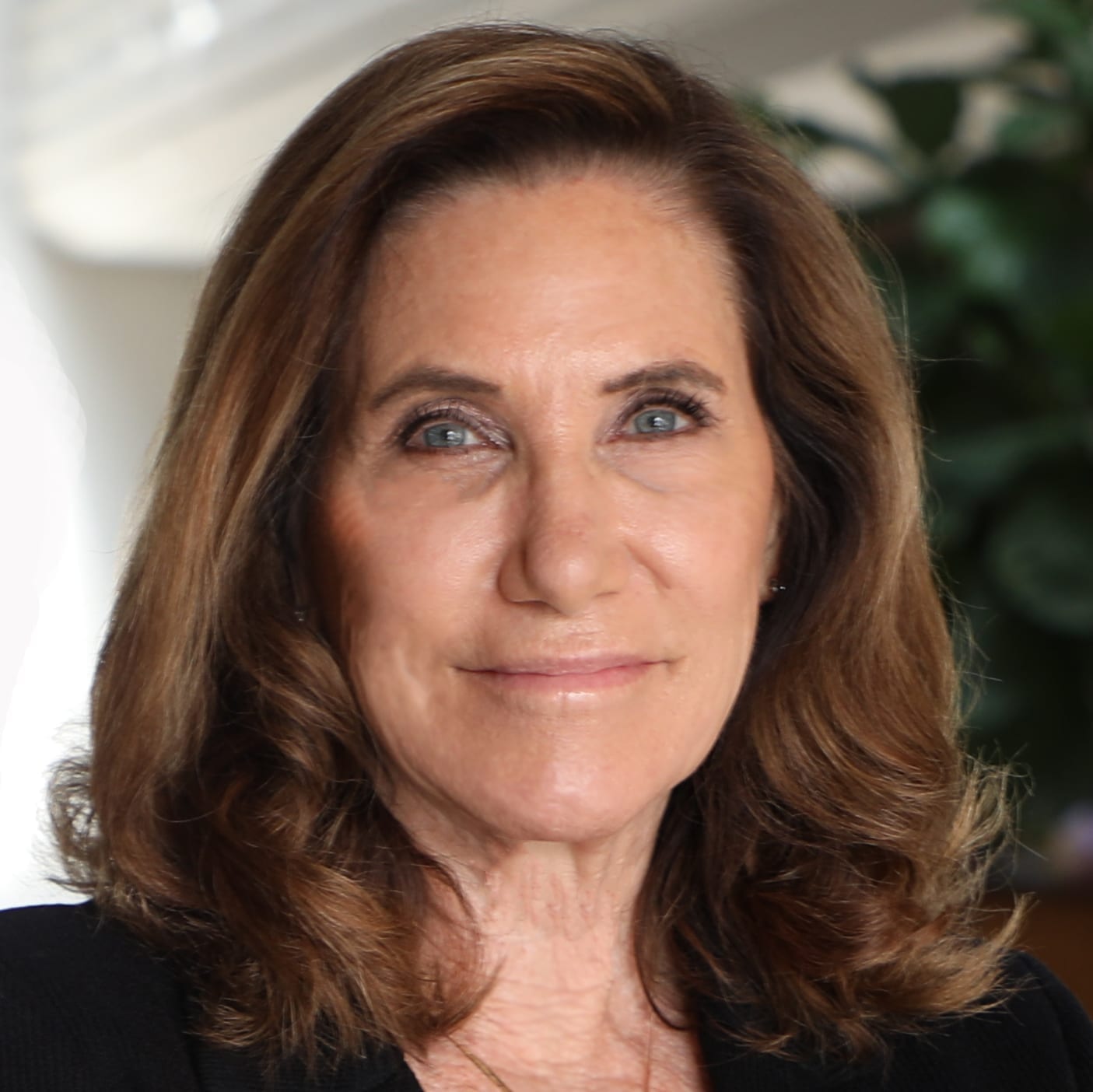 Dr. Pamela Rutledge is available to reporters for comments on the psychological and social impact of media and technology on individuals, society, organizations and brands.
http://t.co/8sednEjmpH
8 Ways Selfies Can Make Your Life Better http://t.co/bgSTU9w0Vh #psychology
RT @PsychoBest: 8 Ways Selfies Can Make Your Life Better http://t.co/bgSTU9w0Vh #psychology
Positief: 8 Ways Selfies Can Make Your Life Better http://t.co/w4yPFY4mgz
8 Ways Selfies Can Make Your Life Better http://t.co/5HUjkQOHTF #selfies
8 Ways Selfies Make Your Life Better! Hoot Hoot @ http://t.co/VowyinlkTp @pamelarutledge
8 Ways Selfies Make Your Life Better! Hoot Hoot @ http://t.co/kAWyXP9pc7 @pamelarutledge
I love “8 Ways Selfies Can Make Your Life Better”. I am going to give it as an assignment in my Psychology of Social media class. Thanks